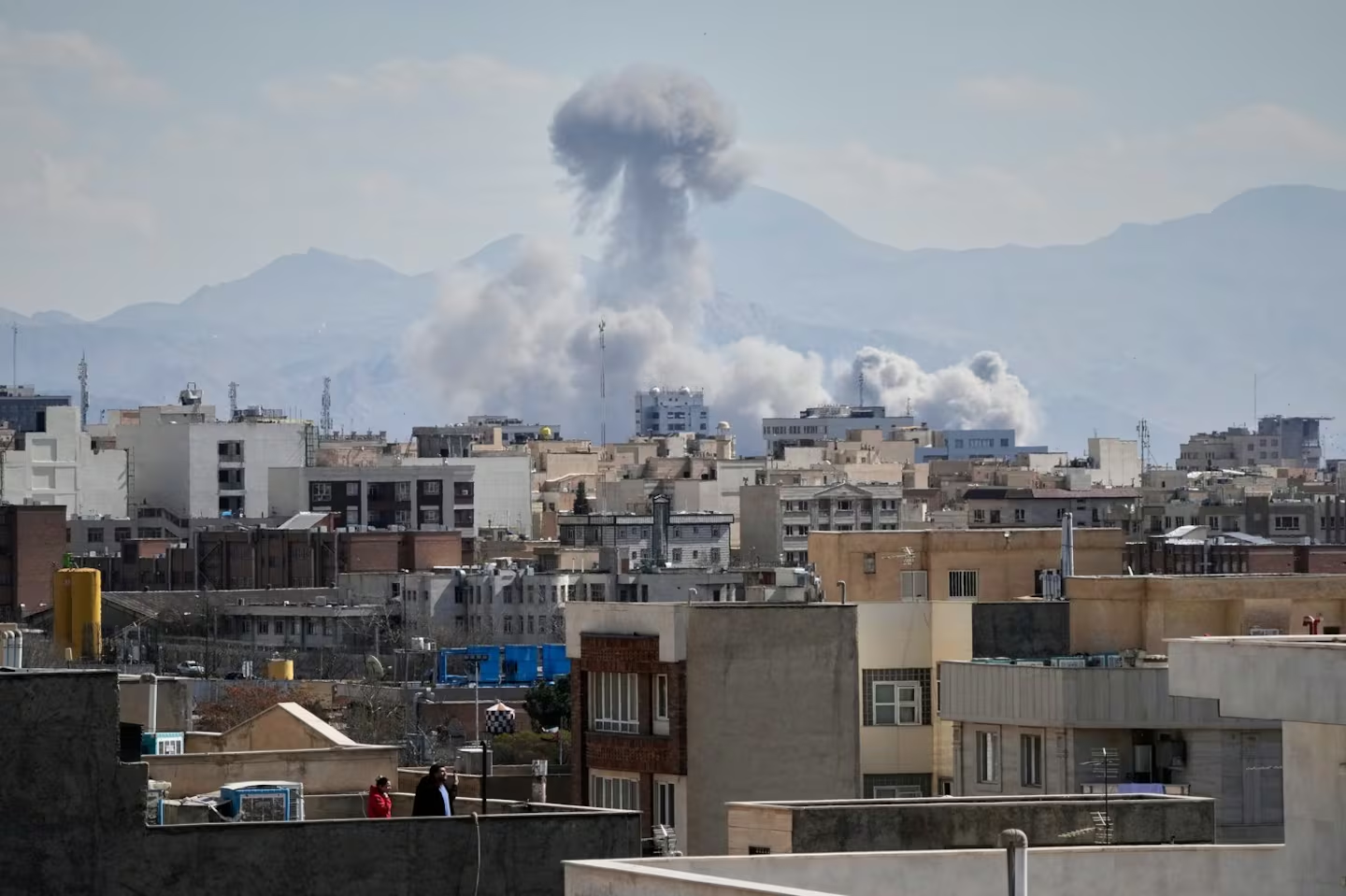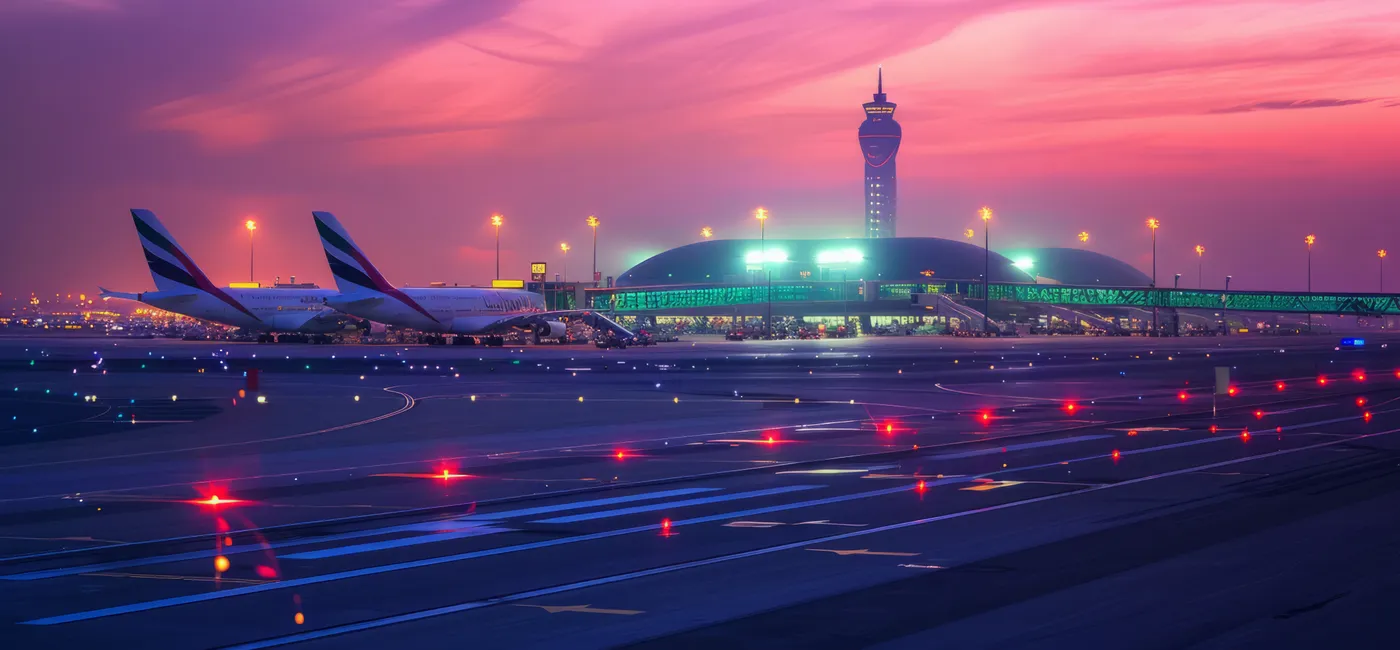
Nighttime view of Tehran, the capital city of Iran. Travel Pulse Canada
Canada has begun efforts to bring citizens home from the Middle East as tensions in the region continue to grow. At the same time, major airlines have introduced flexible rebooking policies to help travellers adjust their plans during the crisis.
Government officials now work to assist more than 2,000 Canadians who have asked for help leaving the affected areas.
Government Works to Bring Canadians Home
Foreign Affairs Minister Anita Anand spoke about the situation and explained the difficulties involved in moving people out of the region.
"The situation is volatile and changing by the hour," Anand said.
She noted that conditions differ across the region. Some countries allow flights to operate normally, while others have restricted or closed their airspace completely.
"In some countries, the airspace is open. In others it is partially open and still others it is fully closed."
Limited access to airspace means airlines cannot run as many flights as usual, which slows evacuation efforts.
Canada has asked the government of the United Arab Emirates for permission to use its airspace to organize evacuation flights. Officials expect to finalize arrangements within a few days.
About 1,170 Canadians in the UAE have requested help to leave the region.
Canadians Moving Through Neighbouring Countries
Evacuation efforts face greater challenges in some countries.
Canadians currently in Qatar and Israel are travelling by bus to nearby countries where commercial flights remain available.
A flight carrying Canadians departed Lebanon on March 4, 2026, and authorities plan to offer another 200 seats on upcoming flights in the coming days.
The situation remains more complex for Canadians located in Iran. Officials have asked travellers there to move toward land border crossings when it is safe to do so.
"Unfortunately, we have no ability to arrange ground transportation in Iran as we do not have diplomatic relations," Anand said.
Canadian consular staff now operate in several nearby countries to assist people who cross the border. These teams work in Armenia, Azerbaijan, Israel, Jordan, Turkey and Turkmenistan.
Officials also encourage Canadians abroad to register with the Registration of Canadians Abroad (ROCA) service. People seeking assistance can also contact government emergency services by phone or email.
Air Canada Cancels Flights and Offers Changes
Air Canada has cancelled all flights to and from Dubai and Tel Aviv. The airline will not resume these routes before March 23, 2026.
Passengers scheduled to travel on those routes should not go to the airport.
The airline will contact travellers whose flights have been cancelled and offer several options, including a full refund.
Passengers who still hold valid bookings but wish to change travel dates may do so without paying a change fee. This policy applies to tickets purchased on or before February 28, 2026 for travel through several airports in the region, including Abu Dhabi, Amman, Beirut, Dammam, Dubai, Erbil and Tel Aviv.
Travellers can move their flights to another available date up to March 31, 2026, depending on seat availability.
WestJet Introduces Flexible Rebooking
WestJet has also introduced temporary changes to its booking rules.
Travellers with tickets for flights to or through Dubai, Riyadh and Jeddah can change or cancel their trips once without paying additional change or cancellation fees.
Passengers may still need to pay or receive fare differences depending on the price of the new ticket.
Refunds will return to the original form of payment. However, UltraBasic fares will return as travel credits that remain valid for 12 months.
WestJet currently plans to keep this policy in place until March 6, 2026.