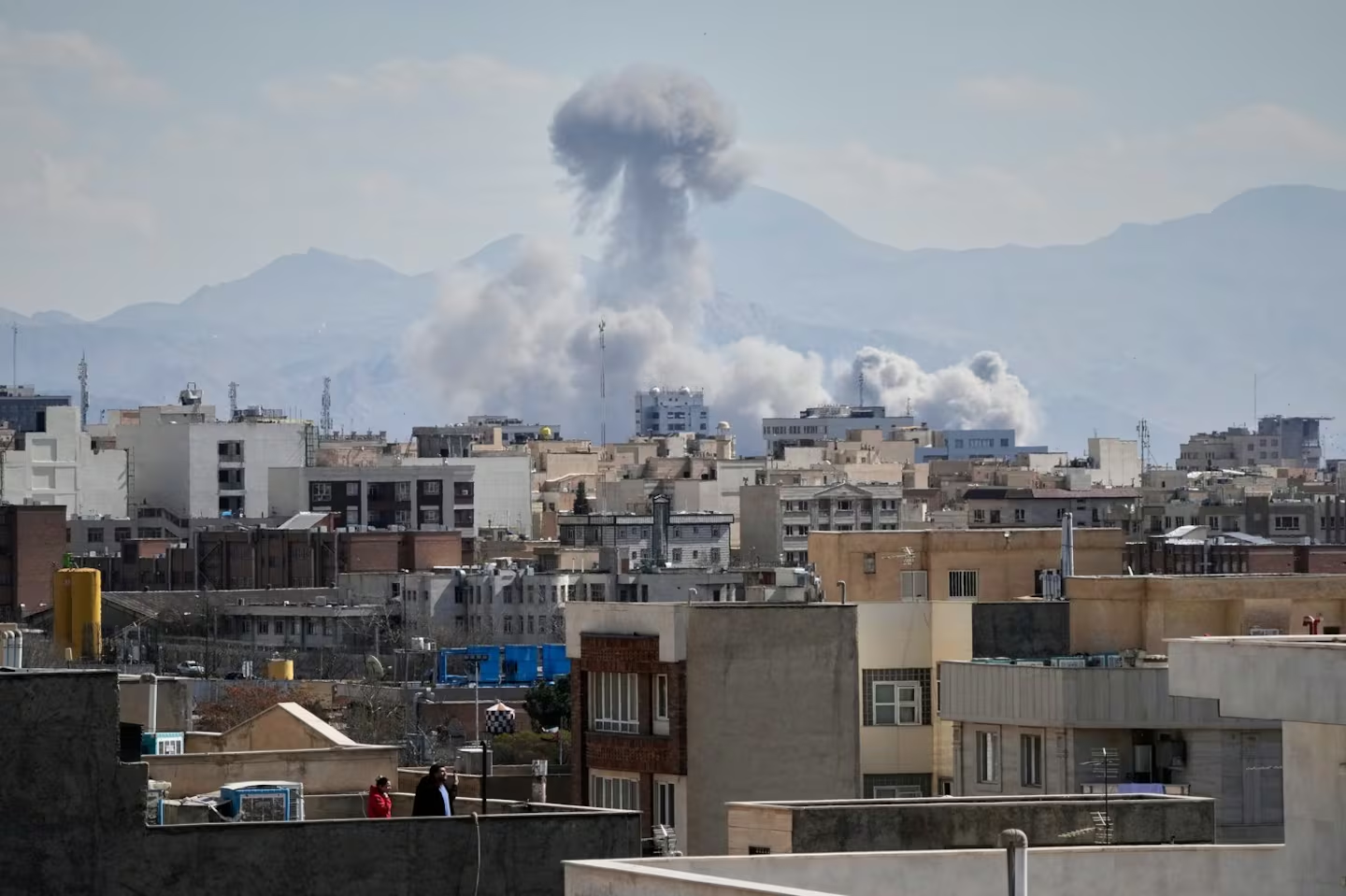
Canada has updated its travel advice for India, asking people to avoid going to Jammu and Kashmir, Manipur, and areas near the border. The warning comes because of safety concerns linked to violence, protests, and crime in those regions. Travel Tour & World
The Canadian government has updated its travel advisory for India, urging Canadians to be very careful when travelling to certain regions. The advisory warns of serious risks such as terrorism, civil unrest, and crime. These warnings focus on specific areas where safety concerns are most severe.
This updated advice follows similar warnings from other countries, including Australia, the UK, and the US.
Avoid Travel to Jammu and Kashmir
Canada advises against any travel to Jammu and Kashmir, excluding Ladakh. The region has long dealt with security issues, including threats of terrorism, militant activity, civil unrest, and kidnappings.
Ladakh, a peaceful region nearby, remains open to tourists and is not affected by this advisory.
Warnings for Northeast India and Border Areas
Canada also advises travellers to avoid non-essential trips to Assam and Manipur, two states in Northeast India. These areas face ongoing unrest and a risk of insurgent violence.
People should also stay away from India’s border regions near Pakistan, especially areas in Gujarat, Punjab, and Rajasthan within 10 km of the international border. These locations carry risks of landmines, military activity, and unexploded weapons.
The Attari-Wagah border crossing, a popular route for travellers, is also currently closed.
Concerns About Anti-Canada Protests
Canadian authorities warn that anti-Canada protests may take place, especially in Delhi. This may be linked to ongoing diplomatic tensions. Canadians are advised to avoid protests, large crowds, and to remain alert in public places.
Keeping a low profile and staying informed are key recommendations for travellers.
Other Countries Issue Similar Warnings
Several other governments have issued similar advisories.
Australia warns against travel to Jammu and Kashmir and Manipur, highlighting active extremist groups and conflict. Border areas with Pakistan are also flagged as dangerous.
The United Kingdom urges caution, especially in regions prone to civil unrest, terrorism, and natural disasters. This includes areas in mountainous regions where landslides and flooding are common.
The United States advises citizens to reconsider travel to India. It also points out serious concerns in Jammu and Kashmir, Manipur, and along the Pakistan border. The US highlights terrorism and kidnapping as major threats.
Impact on Travellers and Tourism
These warnings may affect tourism in India, especially in northern and northeastern states. However, many popular destinations remain safe, including Goa, Kerala, Ladakh, and the Andaman Islands. These areas continue to attract both Canadian and international visitors.
Entry Rules for Canadians
Canadians planning to visit India must have a passport valid for at least six months with two blank pages. Tourist visas usually allow stays of up to 180 days. Stays longer than that require registration with the Foreigners Regional Registration Office (FRRO).
Overstaying a visa can lead to fines or future travel bans.
Consular Services
In-person consular services are currently unavailable in Bengaluru, Chandigarh, and Mumbai. However, support remains available at the High Commission in New Delhi. Canadians can also contact the Emergency Watch and Response Centre in Ottawa if needed.
Final Advice for Travellers
Canadians visiting India should check travel advisories regularly and follow government safety tips. Avoid high-risk regions, stay away from protests, and keep important documents handy. By staying alert and well-informed, travellers can still enjoy a safe and rewarding experience in India.