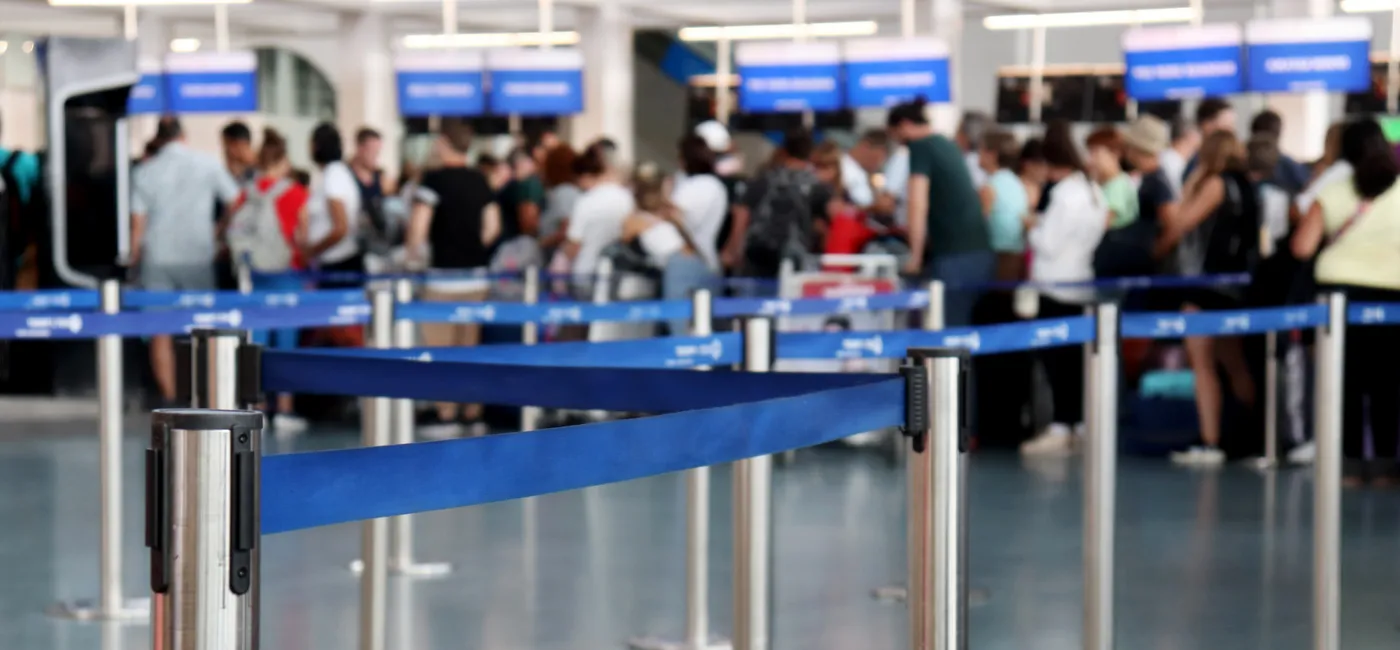
Travellers line up at an airport as they wait to clear customs and immigration checks before entering the country. Travel Pulse Canada
Advance airline bookings from Canada to the United States show a clear decline for March 2026, based on a new analysis by Cirium. The figures suggest fewer Canadians plan trips south of the border during the March break period compared with last year.
The analysis reviewed future travel bookings already made, offering an early look at how travel habits may shift this spring.
How the data was compared
Cirium compared bookings for travel scheduled in March 2026 with those booked for March 2025. The company focused on advance bookings across all fare types to capture a broad picture of demand.
The study examined reservations made during two matching timeframes: from October 7 to January 31 in the 2024–25 and 2025–26 booking seasons. This approach allowed analysts to measure changes under similar booking conditions.
Drop seen across major Canadian cities
The data shows a noticeable decline across many parts of the country. Bookings from Vancouver, Regina, Edmonton, Calgary, Winnipeg, Toronto, Ottawa, Montreal, and Halifax to U.S. destinations fell by 15.16 per cent compared with last year.
The decrease appears consistent across both western and eastern Canada, pointing to a nationwide shift rather than a regional one.
Florida travel sees sharper decline
Travel to Florida shows an even steeper drop. Bookings from Canadian cities to popular Florida destinations fell by 23.34 per cent year over year.
Cities affected include Fort Lauderdale, Palm Beach, Orlando, Miami, Sarasota, Tampa, and Fort Myers. These locations often attract Canadians seeking warmer weather during late winter and early spring, especially families travelling during school breaks.
Limits of the findings
Cirium explained that the data reflects actual bookings already made for future trips, but it does not include every airline or booking channel. The company gathered the information mainly from online travel agencies and global booking systems used by airlines and travel advisors.
Some airlines sell tickets only through their own platforms, which the data does not capture. Because of this, Cirium urged readers to view the findings as a general guide rather than a final count.
“Only the airlines know with any certainty what their bookings look like,” the company said, adding that the figures represent a sample, not the full market.
What the trend may suggest
Despite these limits, Cirium said the sample size remains large enough to spot early trends. The data offers a useful preview of how travel patterns may look during the upcoming spring season.
The lower booking numbers may reflect changing travel preferences, costs, or other factors influencing Canadians as they plan March break trips.