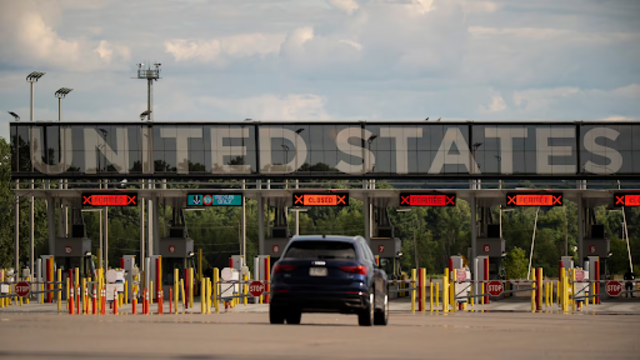
Cars line up at the Saint Bernard de Lacolle, Quebec, border crossing into the United States on July 21, 2025, as travelers navigate the busy checkpoint. The Canadian Press
Border Crossings Take a Hit
Travel between Canada and the United States fell again in August. Statistics Canada reports a seventh straight month of declining trips. Fewer Canadians visited the U.S., and fewer Americans came to Canada. This drop signals a growing trend affecting both nations.
Canadians Stay Home
Canadians made far fewer trips to the U.S. last month. Car travel to the U.S. dropped by 34 per cent compared to August 2024. Air travel saw a similar decline, down over 25 per cent. Statistics Canada counts these trips when Canadians return home. The numbers show a clear shift. Many Canadians now choose to stay north of the border.
U.S. Visitors Decline Too
American travel to Canada also slowed. About 1.8 million U.S. residents drove into Canada, a 4.5 per cent drop from last year. Air arrivals from the U.S. fell to just under 590,000, down 3.6 per cent. This marks a noticeable decrease in cross-border visits both ways.
Why the Drop?
Tensions between Canada and the U.S. play a big role. U.S. President Donald Trump’s trade policies have caused friction. He imposed heavy tariffs on Canadian goods. He also tightened immigration rules and increased detentions. Trump’s talk of making Canada the 51st U.S. state hasn’t helped. These actions have soured relations. Many Canadians now avoid U.S. trips due to these changes.
A Rare Reversal
July brought an unusual twist. More Americans crossed into Canada than Canadians into the U.S. This flip rarely happens. It highlights how much Canadian travel to the U.S. has fallen. The trend continued into August, showing no signs of slowing.
Overseas Travel Bucks the Trend
Not all travel news is grim. Trips to and from non-U.S. countries rose slightly. Overseas visitors to Canada increased by 4.6 per cent. Canadian trips abroad grew by 6.6 per cent. These gains contrast with the Canada-U.S. travel slump.
Airport Woes Add to Decline
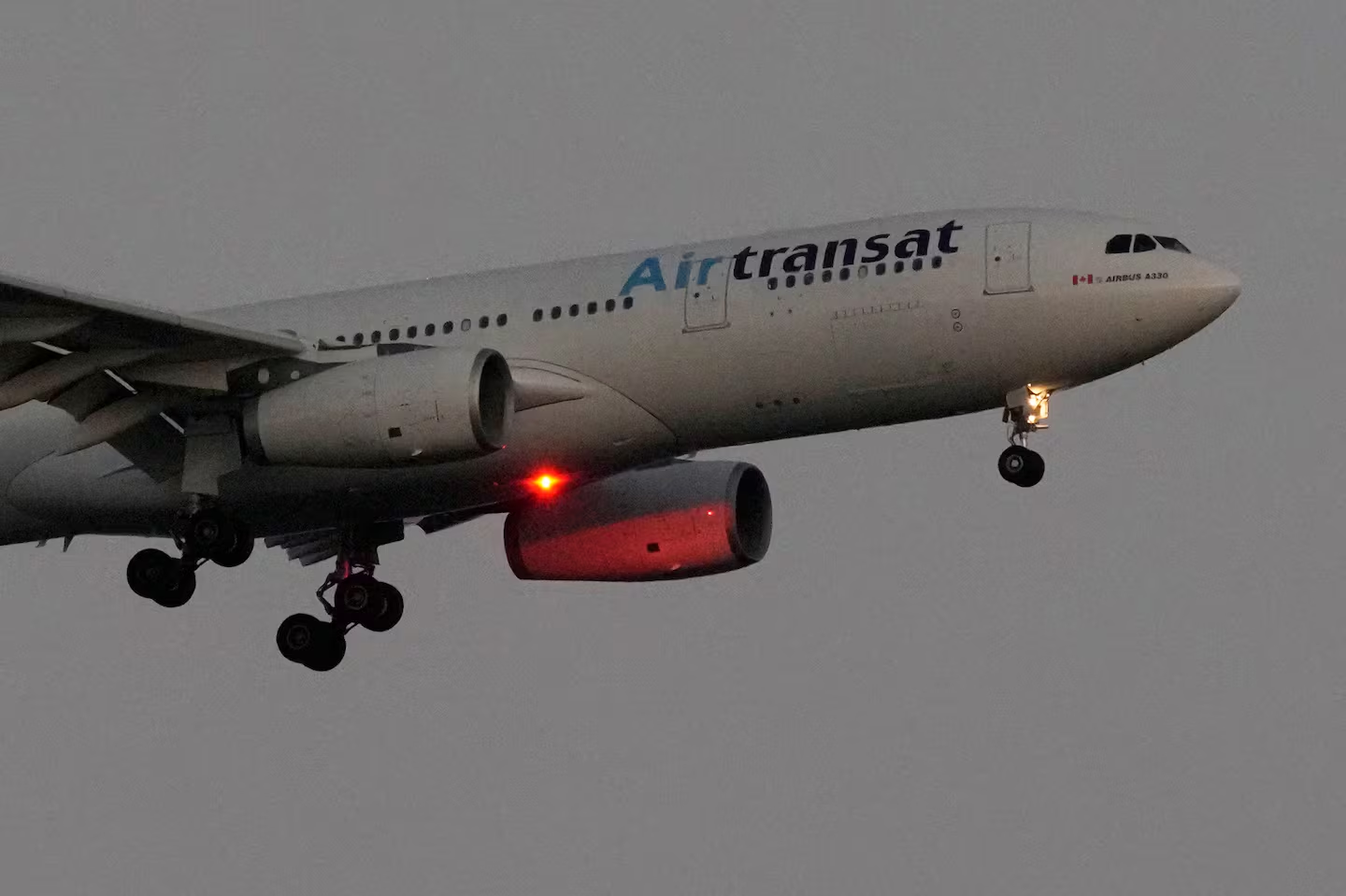
Air travel faced extra challenges in August. An Air Canada flight-attendant strike caused cancellations. Toronto’s Pearson and Montreal’s Trudeau airports saw “the largest declines” in traffic. These disruptions made air travel less appealing for Canadians heading to the U.S.
What’s Next?
The steady drop in Canada-U.S. travel raises concerns. Businesses on both sides of the border feel the impact. Tourism, retail, and hospitality sectors lose revenue. If tensions persist, the decline may continue. Canadians seem to prefer staying home or exploring other countries. The coming months will show if this trend holds.