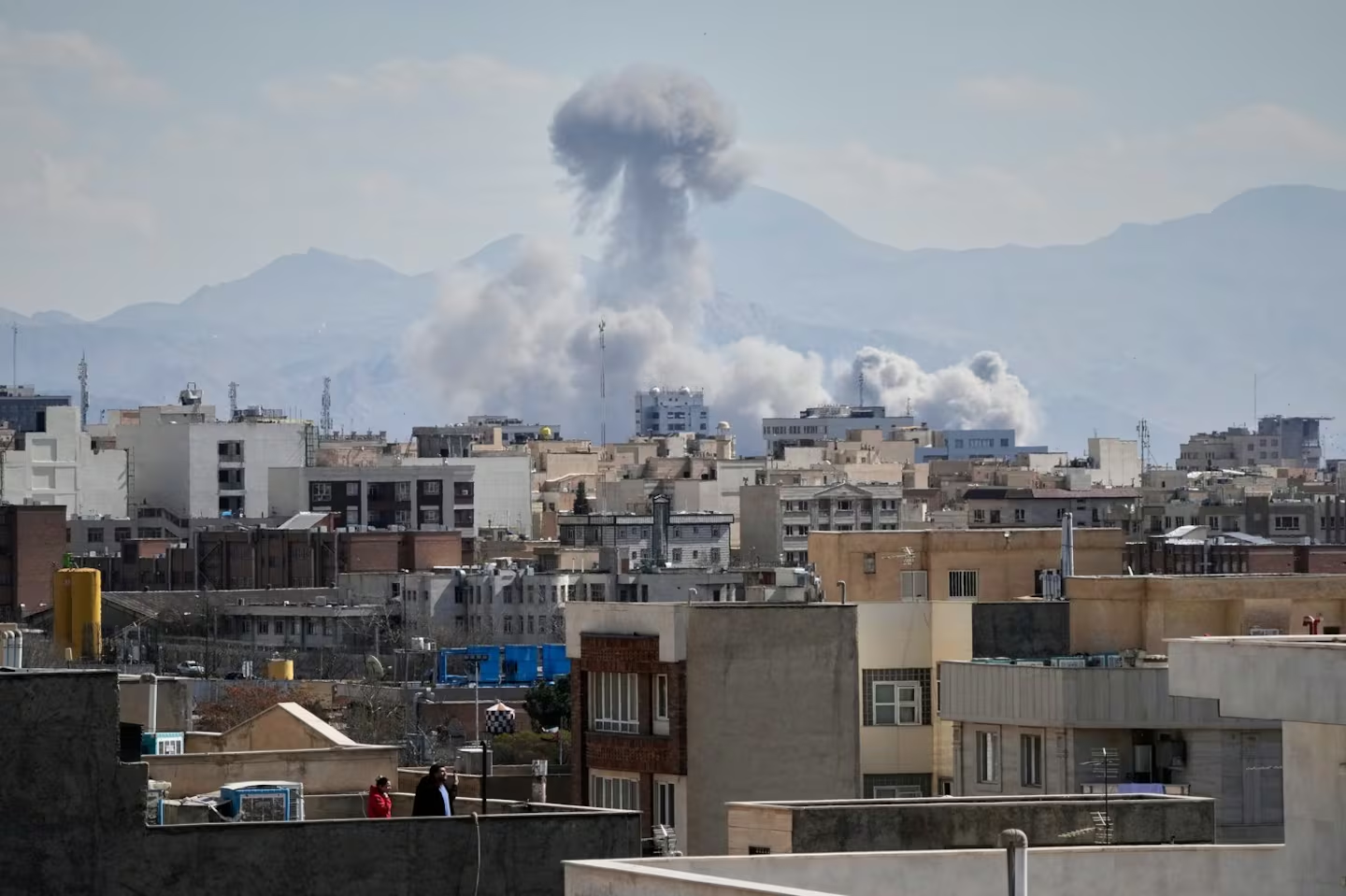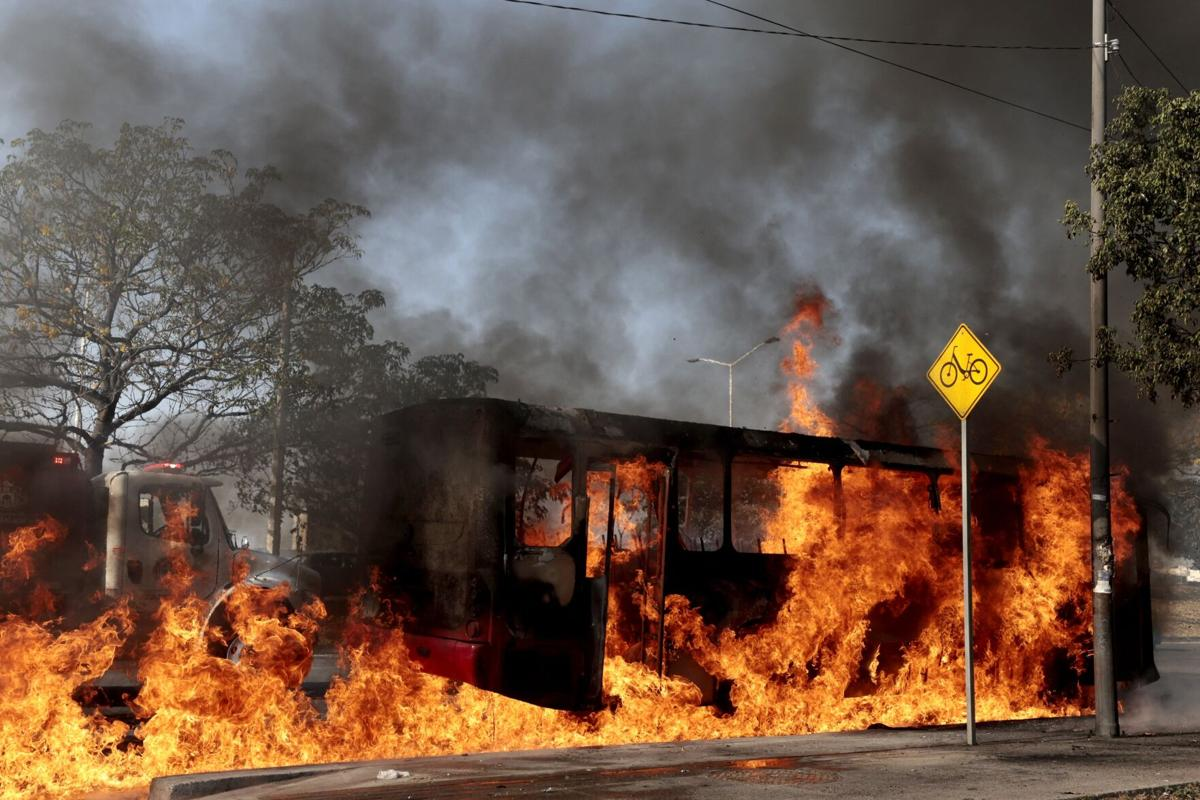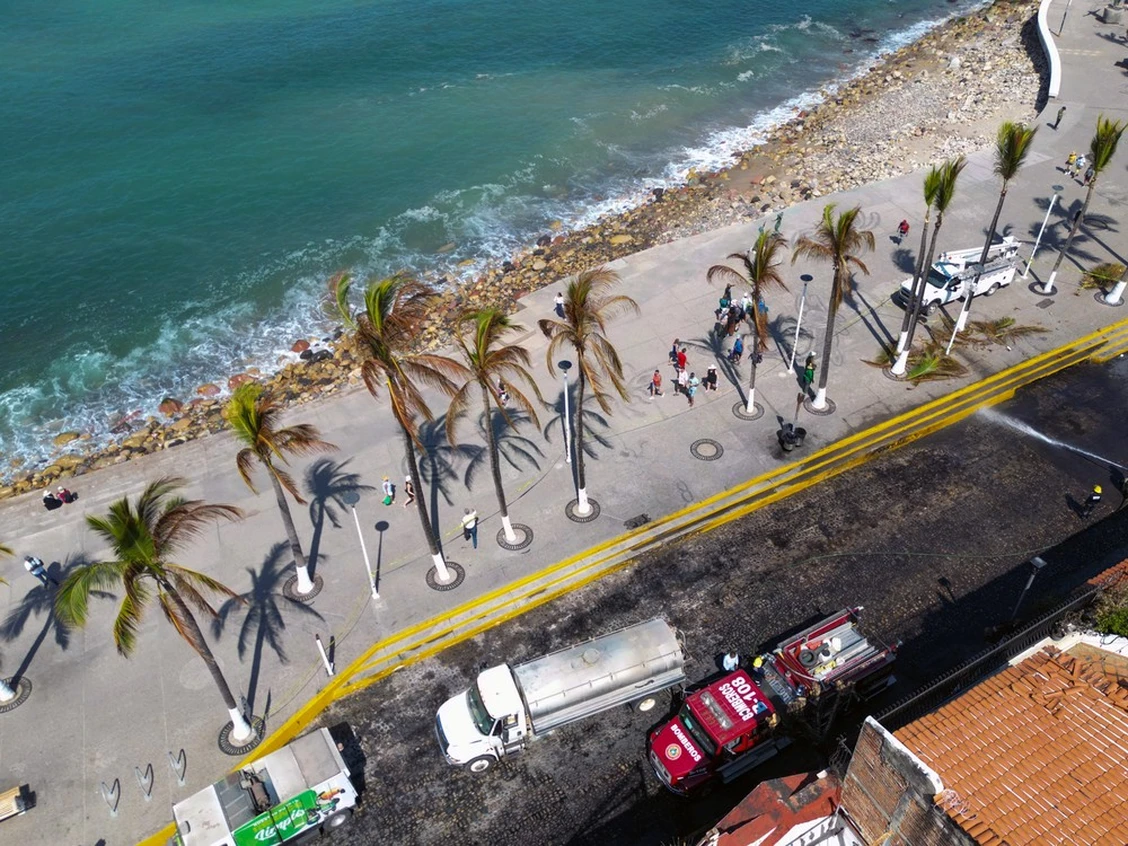
Firefighters worked to clear debris from a street in Puerto Vallarta, Jalisco state, on Feb. 24, 2026. The popular beach destination, usually known for sunshine and tourists, showed signs of recent unrest after violence broke out following the capture and death of one of Mexico’s most wanted crime figures. The scene reflected the damage left behind by the clashes. Getty Images
As thousands of families prepare to leave for March Break, the federal government has updated several travel advisories for popular vacation spots. From Mexico to Cuba and the United Kingdom, Canadians are being urged to review the latest guidance before boarding their flights.
The updates follow recent violence in Mexico, worsening shortages in Cuba, security concerns in parts of Peru and Jamaica, and new travel rules in the United Kingdom. While some destinations remain safe for tourists, officials stress that preparation and awareness matter more than ever this spring.
Mexico: Violence Sparks Short-Term Disruptions
On Feb. 22, the killing of a powerful drug cartel leader led to violent incidents in western Mexico. Criminal groups blocked roads and set vehicles on fire in several states, including Jalisco. Flights to Puerto Vallarta were temporarily suspended as tourists sheltered indoors.
Airlines resumed service within days, and local authorities lifted shelter orders. Roads reopened and flights restarted by Feb. 24. Still, officials warn that further incidents could occur.
Mexico remains under a level advising travellers to exercise a high degree of caution, with additional warnings for certain regions.
Travellers heading to resorts such as Cancun and the Mayan Riviera should check flight status before leaving for the airport and allow extra time. Authorities say criminal groups rarely target tourists, but visitors should stay alert and follow local instructions.
Cuba: Shortages Prompt Stronger Warning
Cuba now carries a higher advisory level, with travellers urged to avoid non-essential travel. The change follows worsening shortages of fuel, electricity and basic goods.
Power outages happen daily across the island. In some cases, blackouts last more than 24 hours. Even large resorts that rely on generators cannot always guarantee consistent electricity or water.
Airlines have suspended flights, and officials encourage Canadians currently in Cuba to consider leaving while commercial options remain available.
Those staying are advised to bring essential supplies, keep extra food and water on hand, and monitor local news carefully.
United States: Border Rules and Security Remain Key
The advisory for the United States remains at the lowest level, recommending normal security precautions. However, officials remind travellers that U.S. border agents have full authority to inspect electronic devices and question visitors.
If entry is denied, travellers may face detention while waiting to return home.
Gun violence also remains a concern in some areas. While tourists rarely face direct targeting, officials advise avoiding demonstrations and keeping travel documents secure.
Peru: Weather and Crime Concerns
Heavy rains have forced the closure of the Salkantay Trail for February. Landslide risks remain high in certain regions.
In Lima and Callao, a state of emergency continues due to rising violent crime. Security forces have increased their presence and may restrict movement.
Officials recommend avoiding crowded areas and checking weather updates regularly if travelling near Cusco or other mountain regions.
Jamaica: Storm Damage and Crime Risks
Jamaica remains under an advisory urging caution. Gang-related violence persists in certain parts of Kingston and Montego Bay.
In addition, infrastructure damage from Hurricane Melissa continues to affect western regions. Some communities still struggle with electricity and water supply.
Travellers should remain in well-travelled tourist areas and carry valid identification at all times.
United Kingdom: New Entry Rules Begin
Starting Feb. 25, the United Kingdom will strictly enforce its Electronic Travel Authorisation requirement.
Canadian dual citizens with British or Irish citizenship must travel using the appropriate passport. Those unsure of their citizenship status should verify it before departure to avoid being denied boarding.
What Travellers Should Do
Before leaving Canada, officials advise:
- Checking current travel advisories
- Confirming flight status
- Carrying proper identification
- Monitoring local news at destination
- Registering travel plans when appropriate
March Break remains one of the busiest travel periods of the year. With conditions changing quickly in some regions, preparation can help avoid unexpected disruption.