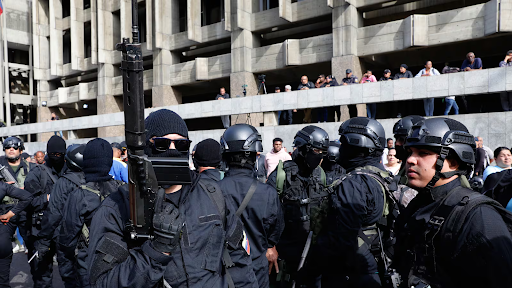
Armed civilians supporting the government took positions on the streets of Caracas on Saturday, Jan. 3, 2026. The move followed an announcement by U.S. President Donald Trump saying that Venezuela’s President Nicolás Maduro had been taken into custody and flown out of the country. The scene reflected rising tension in the capital as uncertainty spread after the news broke. AP
Canada’s federal government has urged citizens to avoid all travel to Venezuela, pointing to growing safety concerns and fast-moving events on the ground. Officials said the situation remains unstable and could worsen without warning.
“The current situation in Venezuela is tense and could escalate quickly,” Ottawa said in an updated travel advisory. “Borders and airspace could close at short notice.”
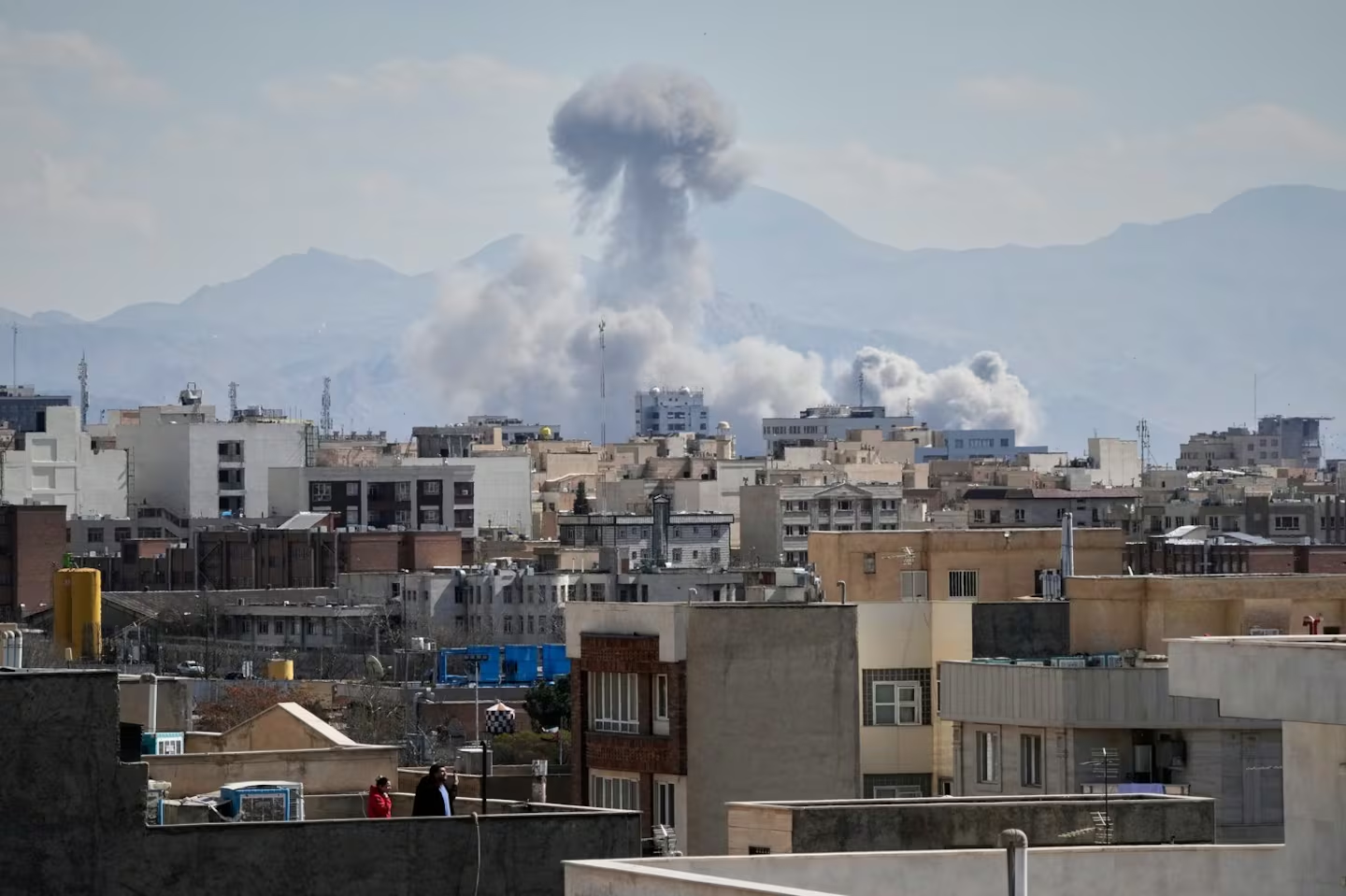
The warning came after U.S. military strikes hit several locations in Caracas. American forces also captured Venezuela’s president Nicolás Maduro and his wife during the operation. These events raised fears of further unrest across the country.
Limited Help for Canadians Inside the Country
Canada reminded travellers that it cannot offer full support inside Venezuela. The Canadian embassy has stayed closed since 2019, leaving officials with very limited ability to help citizens in trouble.
“The Embassy of Canada to Venezuela has not been open since 2019,” the advisory said. “Our ability to provide consular assistance to Canadians in Venezuela is severely limited and done remotely.”
Federal officials said they had no reports of Canadians injured during the recent events. Still, they stressed that conditions could change quickly.
Advice for Canadians Who Remain There
Ottawa urged Canadians already in Venezuela to stay alert and prepared. Officials advised them to remain indoors when needed, keep enough food and water on hand, and follow trusted news sources closely. The government also encouraged travellers to sign up with the Registration of Canadians Abroad service.
“There were 795 Canadians registered with the Registration of Canadians Abroad service as of January 4, 2026; however, this number provides only an estimate of Canadians who may be in the country as registration is voluntary,” officials said.
Canadians who need urgent help can reach the Emergency Watch and Response Centre by phone or email at any time.
Airline Changes Bring Relief to Travellers
In response to the unrest, Air Canada adjusted its travel rules to help affected customers. The airline now allows certain passengers to change flights without extra fees.
The policy covers tickets bought by Jan. 2, 2026, for travel scheduled up to Jan. 6, 2026. It applies to flights linked to several Caribbean destinations, parts of Colombia, and the Dominican Republic.
Air Canada said travellers can move their flights to new dates up to Jan. 13, 2026, as long as seats remain available in the same cabin. Fare differences may apply for later travel dates.
Passengers who booked vacation packages must contact their tour provider directly. Travellers who need help can reach Air Canada by phone, including special lines for reward bookings.