People move through Central Park in Astana, Kazakhstan’s capital city, on a busy day. The Travel
The Canadian government has stepped up its travel warnings as 2026 begins, flagging new risks for citizens heading abroad. Officials have already cautioned travelers about deadly heatwaves, flight shutdowns, and security concerns in popular holiday spots. Even destinations long seen as safe have received stronger notices. Over the past week, the government added several serious updates that travelers should not ignore.
New Laws and Social Risks Raise Concern
One of the most serious updates involves warnings for 2SLGBTQI+ travelers visiting Kazakhstan. While the country does not ban same-sex relationships, authorities say social attitudes remain hostile. Canadian officials note that some activities linked to sexual orientation or gender identity can still lead to arrest.
The government warns that 2SLGBTQI+ people have faced harassment, physical attacks, and discrimination. It also points to laws against spreading what authorities call “propaganda of non-traditional sexual orientation.” These rules apply to public spaces, online platforms, and media. Penalties may include fines, deportation, or imprisonment.
Clothing Rules Catch Visitors Off Guard
Canada also reminded travelers about Switzerland’s nationwide ban on face coverings in public places. The law, which took effect in 2025, applies to items such as burqas, niqabs, masks, and other coverings that hide the face. Officials stress that police can issue fines to anyone who breaks the rule.
Although Switzerland remains one of the safest countries to visit, the government urges Canadians to respect local laws to avoid trouble during their stay.
Medication Restrictions Pose Health Risks
Another update focuses on strict prescription drug rules in Kuwait. Canadian travelers must confirm whether their medications are legal before arrival. Some medicines that doctors commonly prescribe in Canada are restricted or unavailable to visitors.
Officials say travelers must seek approval from a Kuwaiti embassy or consulate before bringing medication into the country. Even with permission, visitors can usually carry only a 15- to 30-day supply. The government advises keeping medicines in original containers, carrying copies of prescriptions, and packing them in carry-on bags. Kuwait currently carries a warning that urges travelers to exercise a high degree of caution.
Entry Rules Remain Flexible in the Caribbean
Canada also clarified entry requirements for the Dominican Republic. Tourists can continue to enter with a passport valid for the length of their stay until the end of 2026. However, travelers visiting for work or other purposes must carry a passport valid for at least six months beyond their arrival date. Officials encourage Canadians to double-check travel plans to avoid issues at the airport.
Middle East Tensions Disrupt Travel Plans
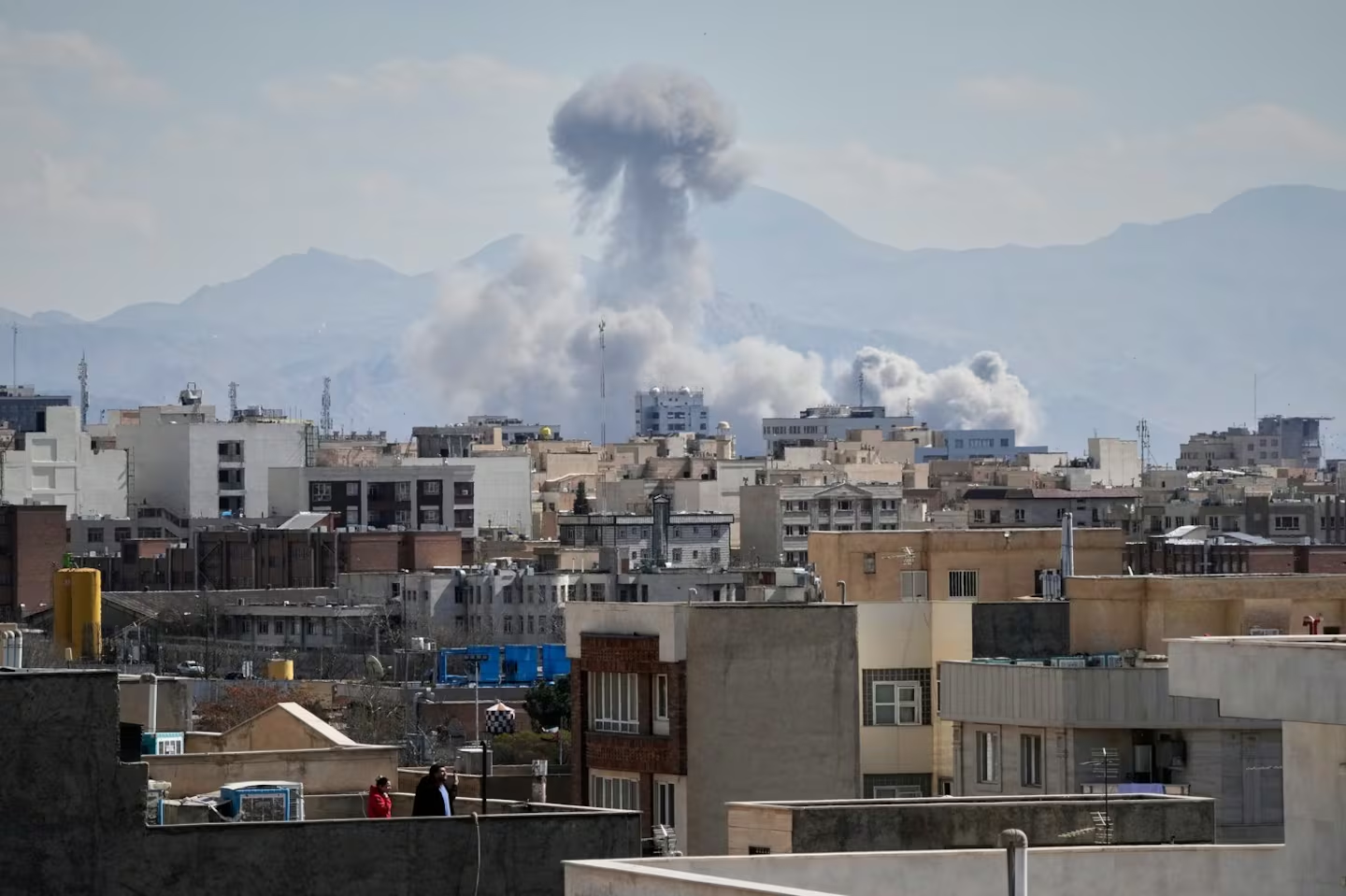
Rising tensions in the Middle East have led Canada to issue stronger advisories for several countries in the region. Officials warn of sudden flight cancellations, airspace closures, and security threats.
For Canadians currently in Iran, the government urges immediate departure. If flights stop, travelers can cross land borders into Armenia or Turkey. Canada has also raised warnings for Israel and flagged ongoing security risks in Qatar.
Staying Informed Before You Go
The government encourages all Canadians to review travel advice carefully before booking trips in 2026. Changing laws, social risks, and regional conflicts have made travel more complex. Staying informed can help travelers avoid legal trouble, delays, and serious safety risks while abroad.