A file photo shows the shadowed outline of a plane taking off from an airport. The Canadian Press
Since the trade dispute began, more Canadians have chosen travel spots outside the U.S. Data from May to July shows big jumps in spending for cities like Buenos Aires, up 148%, Osaka up 137%, Copenhagen up 112%, and Curaçao up 101%. Aruba saw a 71% boost, while Lisbon’s spending rose 61%. Prague, Barcelona, Dublin, and Cape Town also reported growth.
Countries seeing more Canadian visitors
Tourism boards confirm the trend. Japan welcomed over 335,000 Canadians in the first half of the year, a 23% jump from last year. Portugal’s numbers rose 6.5%, and Brazil saw nearly 13% more Canadians.
Flight Centre staff in Vancouver said many travellers are skipping short U.S. getaways in favor of longer trips to far-off destinations. People are still traveling often, but they are spending their time and money elsewhere.
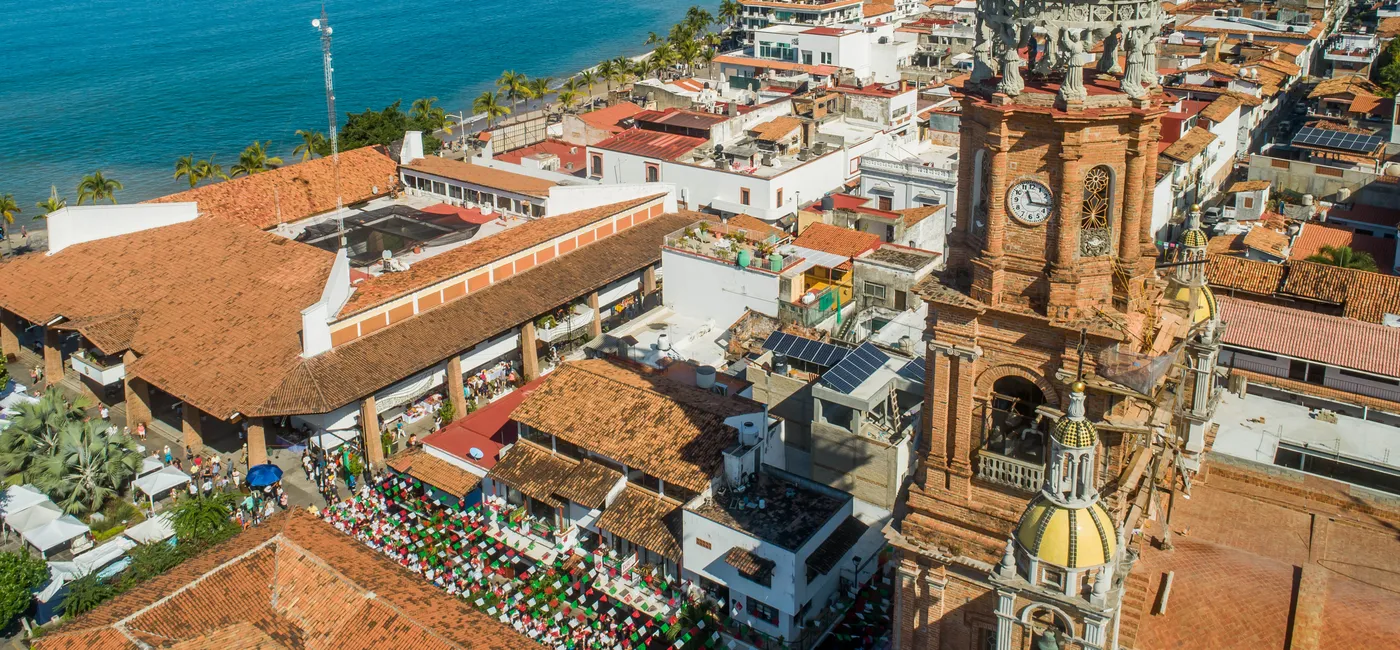
Mexico hotels see more Canadians
Marival Group, a Canadian-owned hotel chain in Mexico, reported a 5–6% increase in Canadian guests since the trade dispute began. That’s about 15,000 more visitors. They expect even higher numbers during the winter travel season. The company is running ads across Canada in French and English to attract more visitors, with promotions in Calgary, Ottawa, and Winnipeg.
Politics driving personal choices
Windsor resident Joan Allison once spent months each year in Florida. Since January, she says she lost her “mojo” for visiting the U.S. She cites the trade dispute, pardons for January 6 rioters, and border concerns as reasons for avoiding it. She already booked a trip to Portugal and is considering another warm destination that isn’t in the U.S.
Experts see a long-term shift
Travel experts believe Canadians want safe, welcoming, and good-value destinations. High hotel prices in American cities, combined with political and immigration concerns, may push Canadians toward other countries for years.
“You add in the social political stuff … this is probably not going to be a short-term pattern,” said Wayne Smith from Toronto Metropolitan University.