Cancellations and delays have left air travellers stuck at airports across Canada. Travel Tour & World
Air travelers across Canada faced major disruptions as several airlines cancelled 27 flights and delayed 83 more. The cancellations caused frustration and confusion at airports from Vancouver to Montreal, with smaller towns like Goose Bay and Kangirsuk also heavily impacted. Many travelers found themselves stranded, unsure when they would finally reach their destinations.
Airlines such as Air Canada Rouge, PAL Airlines, Air Inuit, Porter, Pacific Coastal, and Jazz struggled to manage the growing crisis. Flight delays spread through the country, creating a ripple effect that slowed operations even in areas not initially affected.
Major Cities and Remote Areas Affected
Montreal, Toronto, and Vancouver faced the highest passenger volumes, but disruptions didn’t stop there. Goose Bay, Kangirsuk, La Grande Riviere, Umiujaq, and Wabush also faced flight troubles. Each location reported varying degrees of cancellations and delays.
Montreal-Trudeau Airport reported cancellations by PAL, Jazz, and Porter. Toronto Pearson saw interruptions involving Air Canada Rouge, Pakistan International Airlines, and Porter. Vancouver International experienced cancellations by Pacific Coastal and Jazz.
In northern regions, Air Inuit’s cancellations affected Kangirsuk, La Grande Riviere, and Umiujaq, leaving communities temporarily cut off. PAL Airlines reported issues in Goose Bay and Wabush, where flights were cancelled without immediate rebooking options.
Airlines Struggle to Cope
Air Canada Rouge and Jazz, part of the Air Canada network, faced strong criticism from travelers for delays. Porter Airlines, PAL, Pacific Coastal, and Air Inuit also dealt with rising customer complaints as people sought updates and refunds.
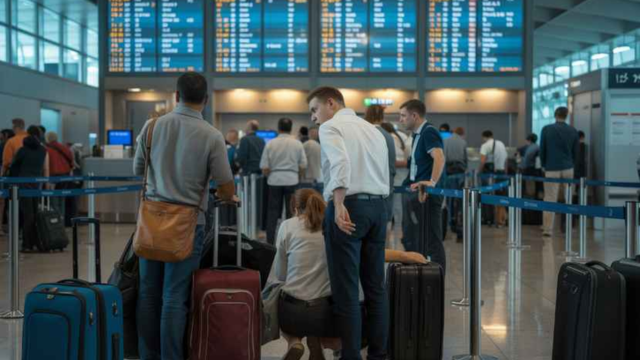
At Toronto Pearson and Montreal-Trudeau, long lines formed at help desks. Travelers waited for answers as staff worked to rebook flights and provide updates. In Vancouver, passengers said confusion grew as more departures were pushed back.
“I’ve been here since early morning, and no one can tell us when we’ll fly,” one traveler said. “It’s exhausting.”
Northern Flights Hardest Hit
Air Inuit’s cancellations in Kangirsuk and Umiujaq caused major problems for those in isolated northern communities. With few alternative transport options, residents and visitors were left with little choice but to wait.
PAL Airlines faced similar challenges in Goose Bay and Wabush, where cancellations disrupted both business and personal travel. These areas rely heavily on air connections, making the delays especially tough.
What Passengers Can Do
Experts advise travelers to stay calm and check for updates regularly. Airlines usually send notifications through text or email, and updates appear on their apps or websites. Passengers should contact the airline directly to confirm rebooking or compensation options.
Travelers should also know their rights. Airlines often provide refunds or rebookings, especially when cancellations are within their control. In many cases, passengers can also request hotel accommodations or meal vouchers during long delays.
Ongoing Impact
The widespread cancellations have created a chain reaction across Canada’s air network. As airlines struggle to get back on schedule, travelers remain uncertain about when normal operations will resume. The disruptions highlight how easily weather, logistics, or crew shortages can throw the system into turmoil.