Kyoto will begin charging visitors a higher hotel tax in March 2026, making it the most expensive in Japan. Travel Mole
The city of Kyoto will soon charge visitors a higher accommodation tax. The new rates, reaching up to 10,000 yen (around $65) per night, will start in 2026. City officials say the extra funds will help improve tourist attractions and preserve Kyoto’s cultural charm.
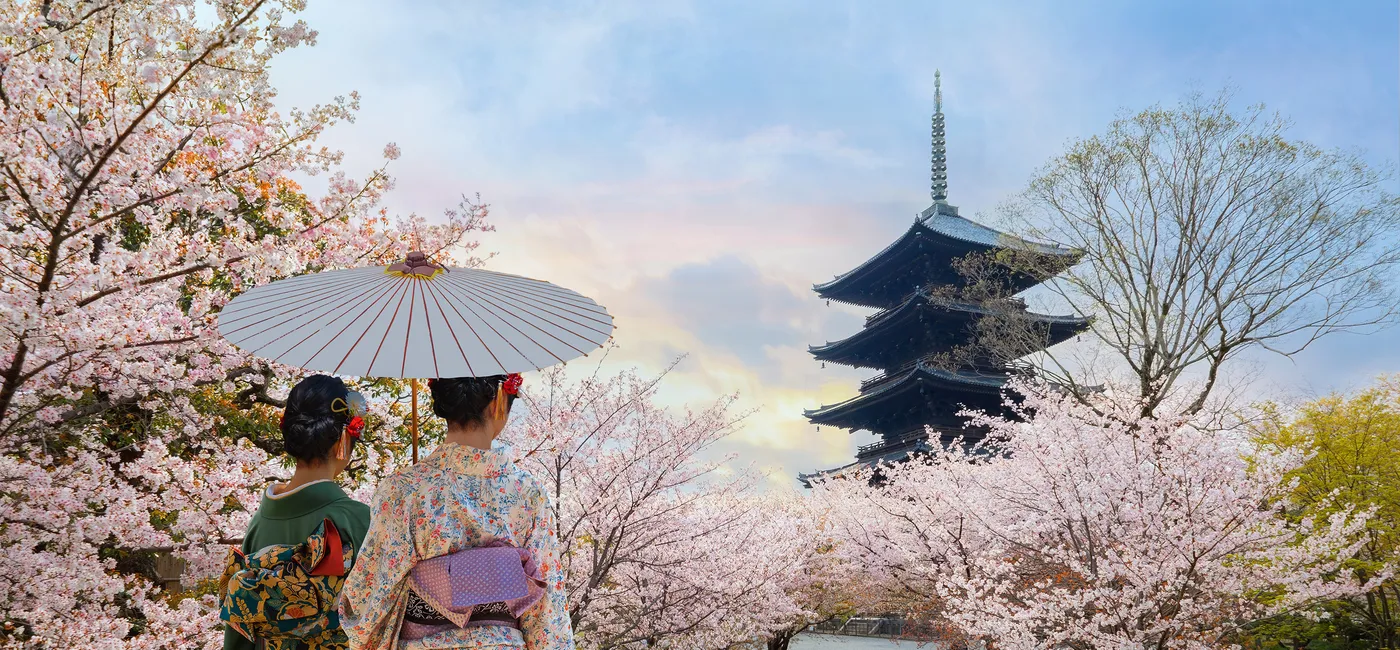
The new policy comes as tourism continues to grow across Japan. Kyoto, known for its temples, gardens, and historic streets, faces the challenge of balancing visitor demand with the city’s quality of life.
According to the city government, the money collected will support projects that protect Kyoto’s heritage and improve the visitor experience. The goal is to make tourism more sustainable and beneficial for both residents and travellers.
Details of the New Rates
The amount visitors pay will depend on how much their accommodation costs per night. Under the current system, rooms under 20,000 yen are taxed 200 yen, while rooms priced at 50,000 yen or more pay 1,000 yen nightly.
The revised rates, which are the highest in Japan, will follow this structure:
- Rooms below 6,000 yen: 200 yen per night
- Rooms between 6,000 and 19,999 yen: 400 yen per night
- Rooms between 20,000 and 49,999 yen: 1,000 yen per night
- Rooms between 50,000 and 99,999 yen: 4,000 yen per night
- Rooms at or above 100,000 yen: 10,000 yen per night
The Ministry of Internal Affairs and Communications approved the increase earlier this month. Kyoto officials say the tax will help maintain the city’s reputation as an international culture and tourism centre.
Students and teachers on official school trips will not have to pay the tax.
Boosting Revenue and Managing Crowds
Kyoto expects its annual tax income to rise sharply once the new rates begin. Officials project revenue could reach 12.6 billion yen next year, more than double this year’s 5.91 billion yen.
The city has struggled in recent years with issues caused by heavy tourism. Overcrowding in popular areas, noise complaints, and damage to historic neighbourhoods have led to growing concern among residents.
In some districts, authorities already closed small side streets to manage foot traffic. The new tax aims to address these challenges while keeping Kyoto attractive to respectful and responsible visitors.
Local leaders hope that higher rates will encourage tourists to value their stay more and support local services that maintain the city’s beauty. Many believe the measure will help balance tourism growth with community needs.
Looking Ahead
Kyoto remains one of Japan’s most visited destinations, attracting millions each year. With this new policy, the city plans to strengthen its identity as a world-class cultural site while protecting its traditions.
Tourists who plan to visit after 2026 should prepare for the higher costs but can also expect improved facilities and a more organized experience.