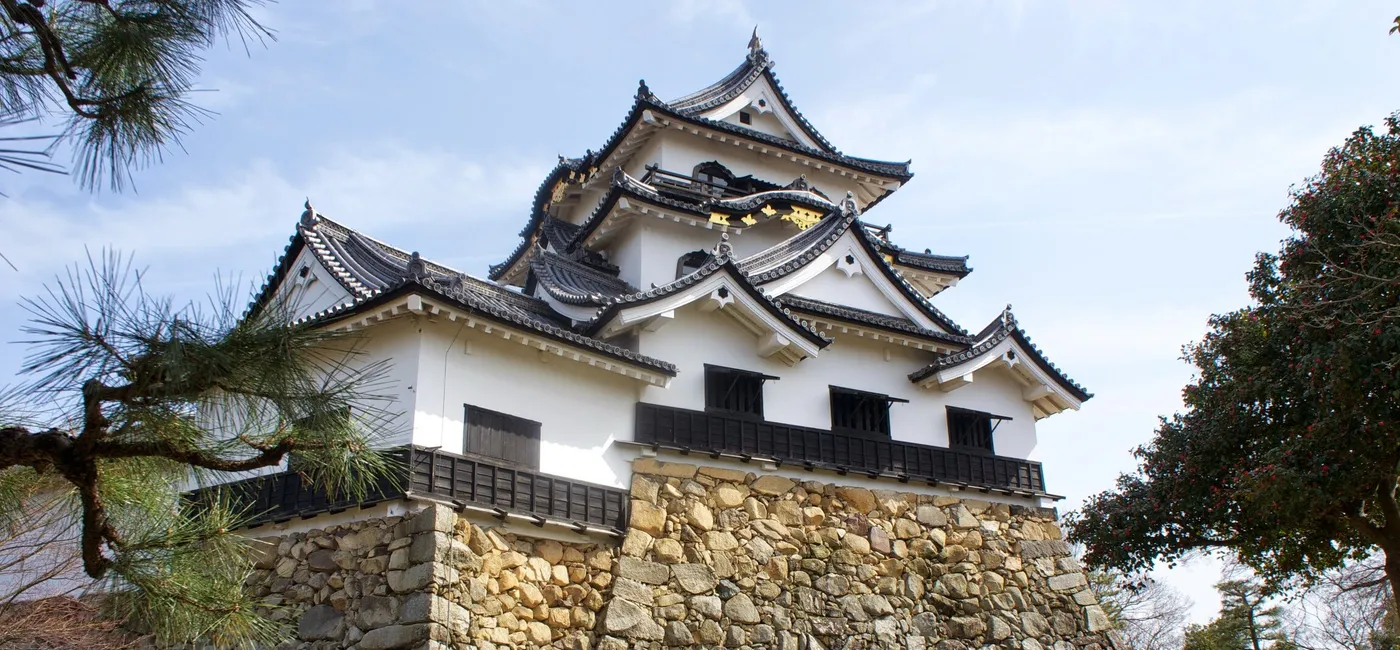
Image shows Hikone Castle, one of Japan’s National Treasures. Walk Japan
A museum in Sekigahara sets the stage for a dramatic scene from 1600. Samurai warriors clash on a fog-covered battlefield as the film retells the moment that shaped Japan for centuries. I watch the story unfold from a comfortable theatre, far from the chaos of the real event. Fans of the hit series Shogun will recognize the era, and the museum offers a vivid look at the real battles behind the fiction.
My visit forms part of a Walk Japan tour, one of many drawing interest as travellers flock to Japan. The country welcomed 36.8 million visitors last year, setting a new record. Travelers now seek routes that highlight history, scenery, and food. Walk Japan’s Nakasendo Way answers that call.
Walking the Ancient Nakasendo Way
The Nakasendo Way stretches between Kyoto and Tokyo. It once guided samurai, merchants, and villagers during the Tokugawa Shogunate. Parts of the route remain true to their past, with preserved post towns, forests, and historic pathways.
Walk Japan groups cover about a quarter of the trail. Days involve roughly 12 kilometres of steady hiking. The route includes stops at castles and traditional towns, including Hikone Castle, which appeared in an early version of Shogun.
Guide Ines Rosan keeps spirits high with humour and storytelling. “We are also known as Eat Japan – you get a lot of food!” she laughs. She speaks Japanese fluently and navigates both cuisine and culture with ease.
Food, Art, and Local Traditions
Meals form a highlight of each day. In Mitake, our group enjoys sushi inspired by Princess Kazunomiya, a young bride from the 1800s. Seasonal vegetables and local fish round out the meal.
Dinner in Ena brings fried pork with red miso, fresh salmon sashimi, and chilled soba noodles. Rosan translates and explains ingredients as dishes arrive.
Ena also hosts a museum dedicated to Hiroshige, the famous artist known for his prints of the Nakasendo Way. His sharp and colourful scenes once influenced artists around the world.
Scenic Trails and Restful Ryokans
The landscape shifts often. We move from quiet forests to tidy neighbourhood roads and ancient stone paths. Persimmon trees, tanuki statues, and spotless vending machines line the trail.
Evenings bring stays at traditional inns. Guests soak in hot spring baths before changing into yukata robes. Rooms feature tatami mats, tea sets, and futons. Low doorways challenge tall guests, but the charm outweighs the inconvenience.
Reaching Tokyo With Pride
The trail ends at the Nihonbashi Bridge in Tokyo. The final steps bring a strong feeling of achievement. The journey mixes exercise, history, and warm hospitality.
Guides note that travellers of many ages can handle the route. Those who love culture and nature find it an ideal choice.