Powerful storms sweeping across Canada have forced airlines to cancel hundreds of flights and delay many more, causing major travel disruptions and leaving thousands of passengers stuck at airports.
Severe weather has thrown air travel across Canada into turmoil, leaving thousands of passengers stuck at airports or waiting through long delays. Airlines cancelled 218 flights and delayed another 740 as powerful storm systems swept across several regions, disrupting travel plans nationwide.
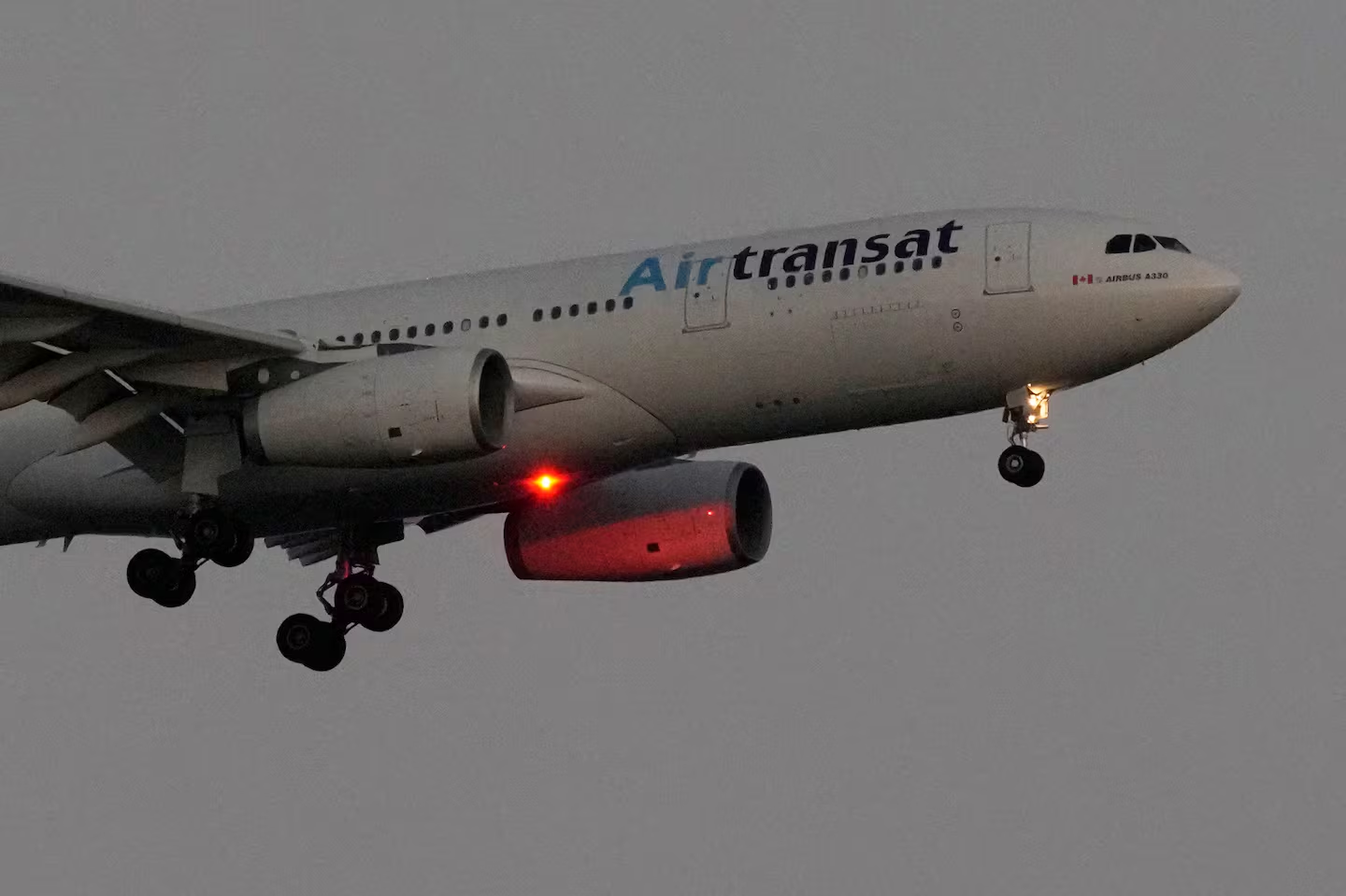
Major carriers such as Air Canada, WestJet, Jazz Aviation, and Endeavor Air faced the heaviest impact. Poor weather conditions quickly caused a ripple effect, forcing airlines to ground aircraft and reshuffle schedules.
Atlantic Canada takes the hardest hit
A strong low-pressure system moved up the East Coast, pushing heavy rain and strong winds into Atlantic Canada. Eastern Nova Scotia and Newfoundland braced for rainfall between 50 and 75 millimetres. Central areas of Newfoundland also faced flooding risks, while northern New Brunswick saw snowfall as temperatures dropped.
High winds created further trouble, especially in Newfoundland, where gusts reached up to 130 kilometres per hour. Power outages affected several communities, including the Avalon Peninsula, making airport operations difficult and unsafe at times.
Airlines struggle to keep schedules moving
Air Canada recorded the highest number of disruptions, cancelling 48 flights and delaying 182 more. Its leisure subsidiary added 15 cancellations and 40 delays. Jazz, which connects smaller cities to major hubs, cancelled 35 flights and delayed 65.
WestJet cancelled 35 flights and delayed 93, with most problems tied to routes in the Maritimes and Newfoundland. Smaller airlines also felt the strain. PAL Airlines cancelled 18 flights, while Air Inuit cancelled nine and delayed dozens more.
Busy airports feel the pressure
Canada’s largest airports saw heavy disruption. Toronto Pearson International Airport recorded more than 100 cancellations and nearly 300 delays, as congestion grew during peak hours. Montreal-Trudeau International Airport faced similar issues as ground crews worked through rain and wind.
In Newfoundland, St. John’s International Airport struggled with high winds and power problems, forcing airlines to cancel or postpone flights for safety reasons.
What travellers should do now
Airlines urge passengers to check flight status often before heading to the airport. Many carriers now offer flexible rebooking options for cancelled flights. Travellers who cannot secure a new flight within a reasonable time can ask about refunds.
Longer wait times at check-in, security, and boarding areas remain likely. Passengers travelling through areas with power outages should carry essentials such as phone chargers and snacks.
More trouble ahead
Forecasters expect stormy conditions to last into Friday. Weather experts also track another system that could arrive early next week, which may further disrupt flights along the East Coast.
For now, travellers should stay alert, follow weather updates closely, and remain in contact with their airlines as Canada’s skies face continued challenges.