Trump Delays 25% Tariffs on Colombia After Reaching Migrant Deal · Bloomberg
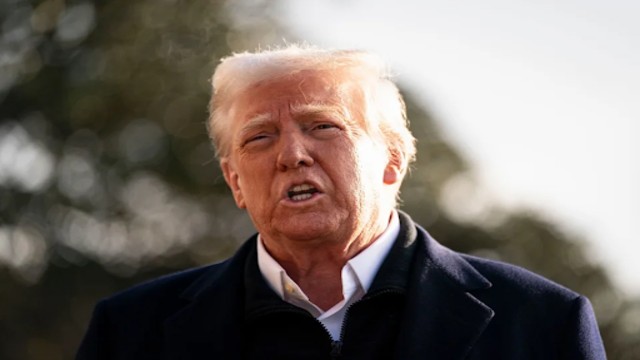
In a sudden turn of events, U.S. President Donald Trump first threatened to impose hefty tariffs on Colombian imports, but later backed down after reaching an agreement on migrant deportations. Initially, Trump had announced an emergency 25% tariff on Colombian goods like oil, coffee, and flowers, with the rate set to rise to 50% within a week. However, the White House revealed late Sunday that Colombia had agreed to all of Trump’s conditions, including accepting deported migrants via U.S. military aircraft.
The diplomatic clash arose after Colombian President Gustavo Petro refused entry to U.S. military planes carrying deportees, citing objections to the use of shackles on detainees. Colombian Foreign Minister Luis Gilberto Murillo later confirmed that both nations resolved the disagreement, with Colombia agreeing to accept its deported citizens under dignified conditions. He emphasized that deportees would be treated respectfully upon their return.
Trump’s use of trade tariffs as a geopolitical tool sparked global market volatility. Emerging-market currencies like the Mexican peso and South African rand suffered losses, while the U.S. dollar strengthened. This approach underscores Trump’s readiness to use economic leverage to achieve his policy objectives but also highlights the unpredictability of his strategies, leaving investors wary.
Earlier on Sunday, Trump also announced sanctions on Colombia, including travel restrictions and visa suspensions, in response to the initial refusal to accept deportees. These measures were intended to pressure Colombia into compliance. White House Press Secretary Karoline Leavitt warned that tariffs and sanctions would remain on the table if Colombia failed to honour the agreement.
Despite the resolution, the incident disrupted decades of strong U.S.-Colombia relations. Experts noted that the fallout reflects the strained ties between Trump and Petro, whose political ideologies are starkly different. Petro, one of Latin America’s prominent leftist leaders, has criticized U.S. policies and sought closer ties with China.
Colombian exports to the U.S., including oil, gold, and flowers, are vital to the nation’s economy, with trade between the two countries amounting to $33.5 billion in 2024. However, the conflict demonstrated that even long-standing allies are not immune to Trump’s hardline tactics, particularly on immigration—a cornerstone of his political agenda.
Looking ahead, Colombia’s government has pledged to improve relations, with plans for Murillo and the Colombian ambassador to visit Washington to strengthen diplomatic ties. The agreement sends a clear signal: Trump is willing to exert significant pressure, even on allies, to enforce his immigration policies.
While the situation with Colombia has been resolved, Trump hinted at potential tariffs on Mexican goods over border policy disagreements, signalling that his tariff-first strategy could continue to unsettle international trade.