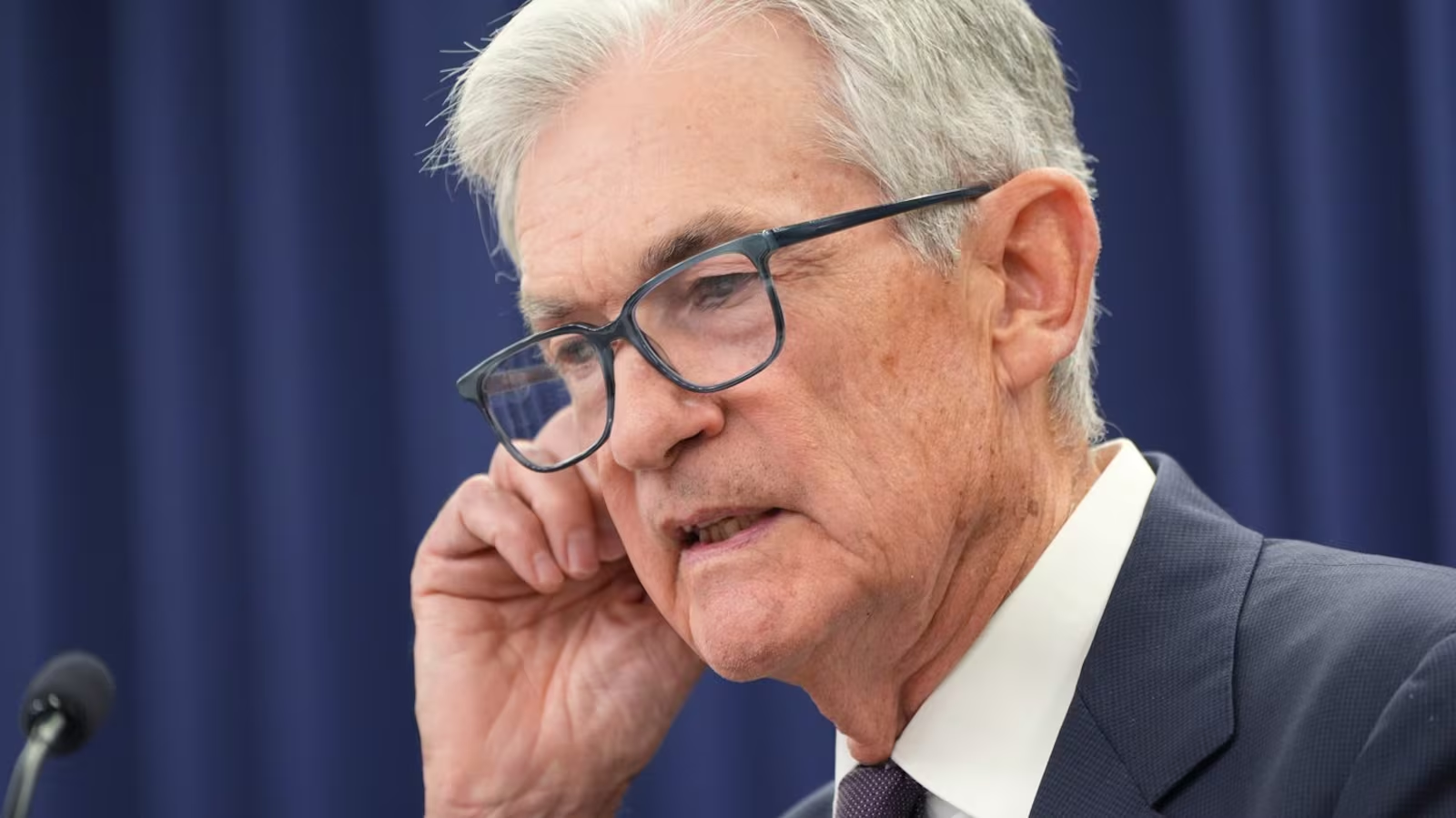
Parliamentary Budget Officer Yves Giroux appeared before the Standing Committee on Natural Resources in Ottawa on Monday, November 18, 2024. According to his office, introducing a federally funded basic income program could cut poverty rates in Canada by as much as 40 percent. (Photo: Adrian Wyld/The Canadian Press)
Ottawa – A new report from Canada’s fiscal watchdog suggests that introducing a guaranteed basic income could cut poverty rates by up to 40%. The Parliamentary Budget Officer (PBO), Yves Giroux, detailed the potential benefits and financial impact of such a program in a study released on Wednesday.
According to the report, low-income families could see an average increase of $6,100 in disposable income per year. However, higher earners might experience a dip in their income due to necessary tax adjustments to fund the program.
The cost of implementing this initiative is estimated to reach $107 billion by 2025. However, much of this expense would be offset by reducing tax credits currently aimed at low-income individuals. Additionally, the basic personal amount—the income exempt from taxation—would be lowered. Ultimately, the net cost to the federal government is projected to be between $3.6 billion and $5 billion, depending on the model used.
Could Basic Income Impact Employment?
The report suggests that while basic income would provide financial stability, it might also slightly reduce the number of hours worked by recipients, with a potential decline of up to 1.4%.
Giroux noted that the analysis did not examine potential ripple effects, such as reduced strain on healthcare and social services. He emphasized that while financial support can bring benefits, unforeseen challenges may also arise.
Who Qualifies for Basic Income?
The report examines two different ways to define family units for eligibility. The "nuclear family" model includes individuals, their spouses or common-law partners, and children under 18. The alternative "economic family" model encompasses all blood relatives, married partners, or adopted family members living in one household.
Using the economic family definition would significantly cut administrative costs, reducing the program’s budget to $53 billion in 2025. It would also have a greater impact on poverty reduction, lowering rates by 40% instead of 34% under the nuclear family model.
Manitoba would see the highest drop in poverty, with a 53% reduction by 2025, followed by Quebec at 50%. British Columbia would experience the smallest decline, at just over 26%.
Is Basic Income Gaining Political Support?
While the idea of a guaranteed basic income has gained traction among advocacy groups, political hurdles remain. A private member’s bill proposed by the federal NDP last fall to establish a livable basic income failed to pass in the House of Commons. A similar bill stalled in the Senate earlier this year.
However, Liberal leadership candidate Karina Gould recently pledged to make basic income a priority if elected. Her campaign has emphasized streamlining existing financial aid programs, cutting bureaucracy, and reforming employment insurance.
Gould’s spokesperson, Emily Jackson, stated that the PBO’s findings highlight the program’s potential to combat poverty. However, she stressed that ensuring basic income integrates well with Canada’s broader social support system would be crucial.
Meanwhile, a pilot program launched in Newfoundland and Labrador last year for older adults on income assistance has struggled to gain traction, with only 110 participants enrolled out of an eligible pool three times that size. Advocates suggest that the complexity of welfare programs may discourage people from applying due to fear of losing benefits.