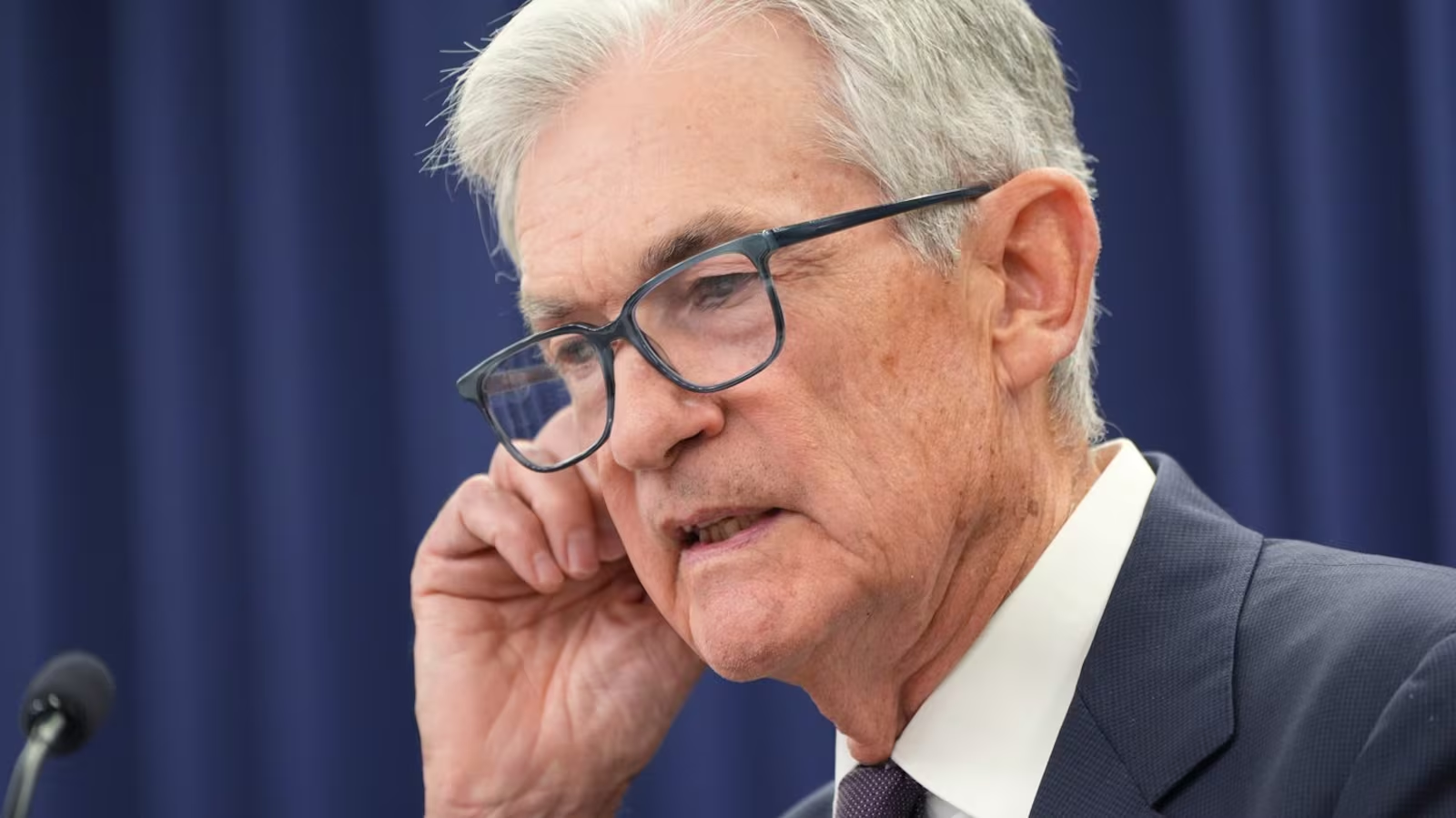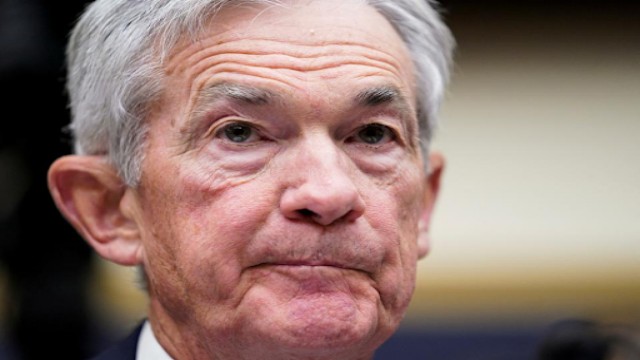
U.S. Federal Reserve Chair Jerome Powell. (Photo: Nathan Howard/Reuters)
The Federal Reserve's preferred inflation gauge, the Personal Consumption Expenditures (PCE) index, revealed a mixed picture of price growth. While costs edged up slightly in January compared to the previous month, inflation slowed year over year. This trend supports the Fed’s decision to keep interest rates unchanged in its upcoming March meeting.
The core PCE index, which removes volatile food and energy prices, climbed 0.3% in January, aligning with analysts' expectations. This followed a modest 0.2% increase in December. Over the past year, core inflation has risen 2.6%, marking a decline from December’s 2.9% annual rate.
Despite January’s relatively steady inflation data, the figures present a calmer scenario than the Consumer Price Index (CPI), which showed a more significant rise in core prices—the largest since April 2023. The Fed will likely take comfort in this cooling trend, especially after the CPI report raised concerns about whether inflation was reaccelerating.
With inflation still above the Fed’s 2% target, policymakers remain cautious. Officials are evaluating whether recent economic policies, including tariffs, tax measures, and immigration shifts, will impact price stability. The PCE report will be the final inflation reading before the Fed's next policy meeting on March 18-19.
No Rate Cuts in Sight Yet
The central bank is widely expected to hold rates steady for the second consecutive meeting. After reducing rates by 100 basis points across three meetings in late 2024, officials have adopted a wait-and-see approach.
Financial markets currently do not anticipate rate cuts before June, reflecting uncertainty about inflation trends. A recent survey revealed that short-term inflation expectations have jumped, while consumer confidence has dipped, further complicating the Fed’s decision-making process.
Thomas Ryan, an economist at Capital Economics, emphasized that the 2.6% core inflation rate is still too high for comfort. He believes that with inflationary pressures mounting, rate cuts are unlikely this year. Comerica Bank’s chief economist Bill Adams echoed this sentiment, stating that while inflation cooled in January, concerns about future price increases persist.
Fed Officials Remain Cautious
Several Fed policymakers have voiced their apprehensions about inflation’s trajectory. Richmond Fed President Tom Barkin supports keeping interest rates “modestly restrictive” until he sees clearer evidence of inflation returning to 2%, warning against repeating mistakes from the 1970s.
Similarly, Kansas City Fed President Jeff Schmid expressed skepticism about inflation continuing to decline, citing a recent uptick in inflation expectations. "Now is not the time to let our guard down," he warned, suggesting that while some price pressures may be temporary, the risk of sustained inflation remains.
St. Louis Fed President Alberto Musalem also stressed the need for caution, advocating for close monitoring of economic trends before making any further adjustments to interest rates.
Meanwhile, Atlanta Fed President Raphael Bostic acknowledged that rate cuts remain an option for 2024, but the recent spike in CPI inflation has raised doubts. "The key question is whether this is a new trend or just a temporary fluctuation," Bostic told Yahoo Finance.
Federal Reserve Chair Jerome Powell reinforced this careful approach, stating in congressional testimony, "We are close, but not quite there on inflation. For now, we need to keep policy restrictive."