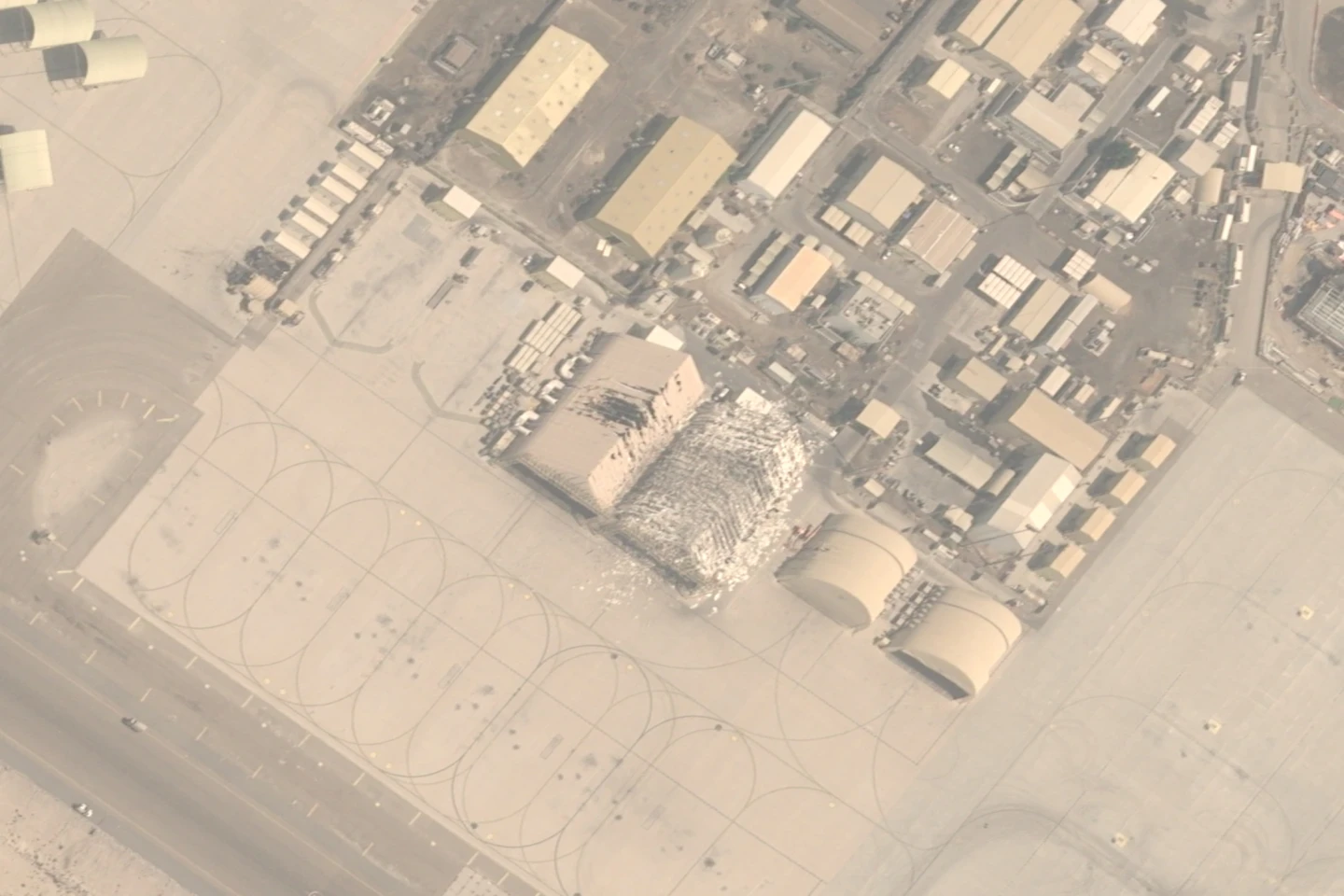
This image from an Airbus Defence and Space’s Pléiades Neo satellite shows damage after Iranian attacks targeting Al Dhafra Air Base in Abu Dhabi, United Arab Emirates, March 15, 2026
Tensions across the Middle East escalated sharply as Iran launched fresh attacks on Gulf energy infrastructure while Israel carried out strikes inside Tehran. The intensifying conflict, now entering its third week, is increasingly impacting regional stability and driving concerns over a wider global energy crisis.
Iran Targets Kuwaiti Oil Refinery Amid Escalation
Iranian drone strikes hit Kuwait’s Mina Al-Ahmadi oil refinery early Friday, triggering a fire at one of the country’s most critical energy facilities. Emergency crews rushed to contain the blaze at the refinery, which processes roughly 730,000 barrels of oil per day and had already sustained damage in a previous हमला just a day earlier.
The latest strike reflects Iran’s growing focus on energy infrastructure across Gulf nations, a move widely seen as retaliation for Israeli attacks earlier in the week. The refinery is one of Kuwait’s three major processing hubs, making it vital to both domestic production and global oil supply chains.
Regional Shockwaves as Explosions Hit Gulf Cities
The conflict’s ripple effects were felt across the Gulf, with explosions reported in multiple cities. In Dubai, air defense systems intercepted incoming threats, sending loud blasts echoing across the skyline as residents observed Eid al-Fitr celebrations.
Meanwhile, Bahrain reported a warehouse fire caused by falling debris from intercepted projectiles, while Saudi Arabia confirmed it had shot down several drones targeting its oil-rich Eastern Province. These incidents underscore how the conflict is spilling beyond direct combat zones, threatening critical infrastructure throughout the region.
Israel Strikes Tehran as Conflict Intensifies
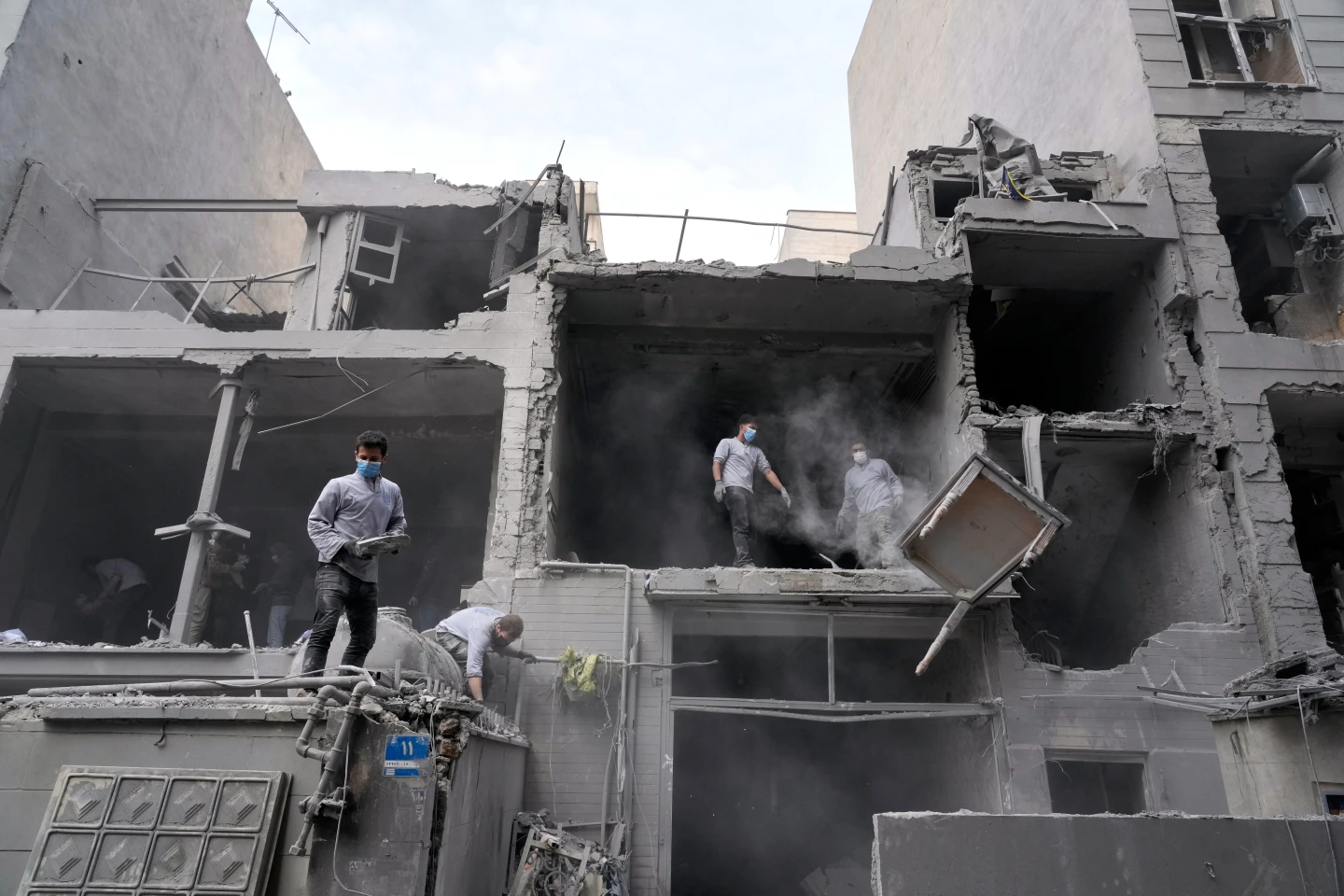
As Iran expanded its offensive, Israel responded with renewed strikes on Tehran, where explosions were heard across the العاصمة during Nowruz celebrations. The timing added to the tension, as civilians marked the Persian New Year amid ongoing hostilities.
Simultaneously, air raid sirens sounded across parts of Israel, including Jerusalem and northern regions, warning of incoming Iranian missile fire. While no immediate casualties were reported from the latest alerts, the continued exchanges highlight the persistent threat faced by civilians on both sides.
Energy Markets React as Crisis Deepens
The conflict’s growing focus on energy assets has rattled global markets, particularly after a recent Israeli strike on Iran’s South Pars gas field. Iran, heavily reliant on natural gas for its electricity production, viewed the attack as a direct threat to its energy security and responded with intensified strikes.
Oil prices surged dramatically as a result, with Brent crude briefly crossing $119 per barrel before easing slightly. However, prices remain significantly elevated, reflecting ongoing uncertainty and fears of supply disruptions.
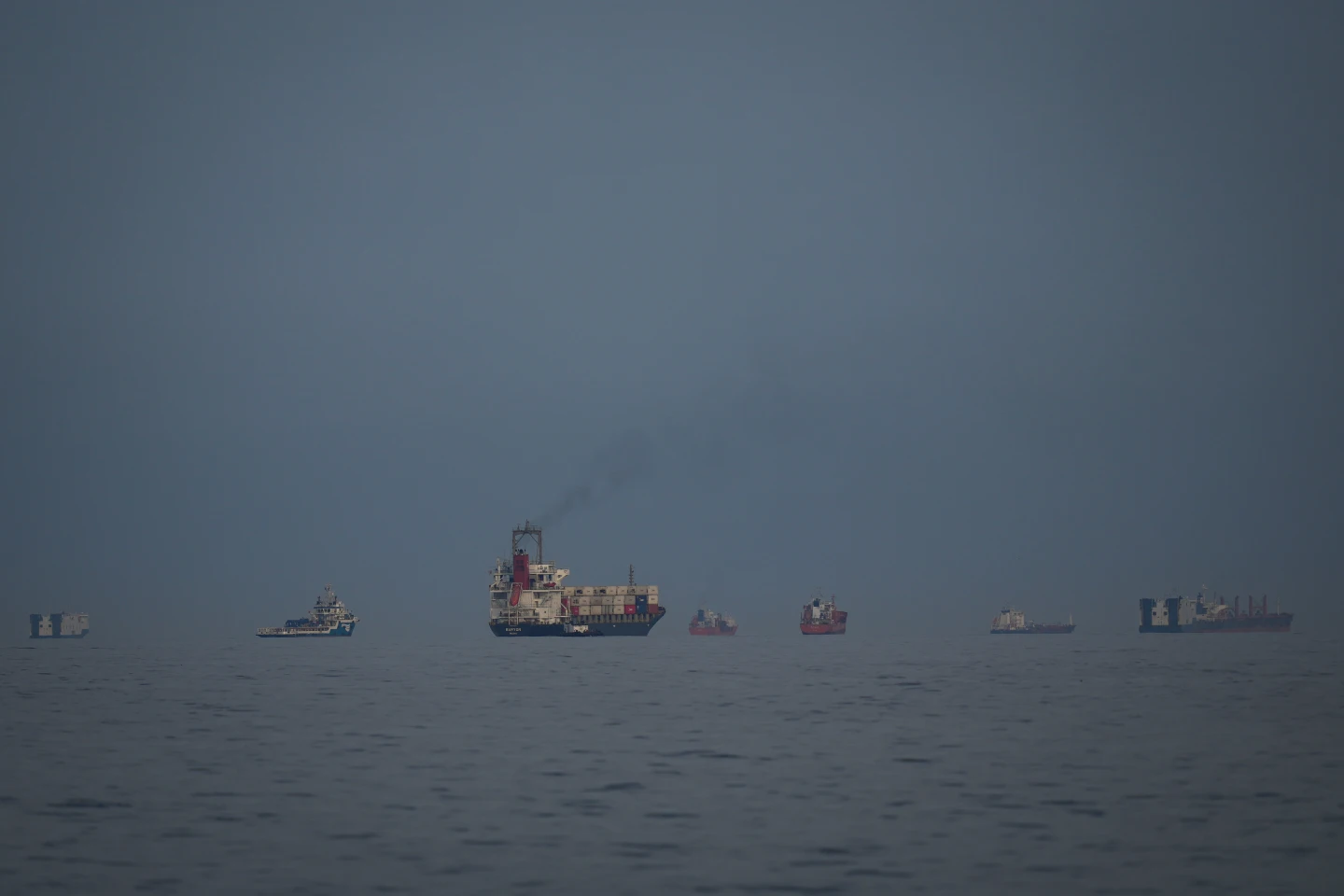
Compounding these concerns is Iran’s strategic position near the Strait of Hormuz, a vital shipping route through which a substantial portion of the world’s oil passes. Any disruption in this corridor could have far-reaching consequences for global trade and energy availability.
Rising Casualties and Expanding Fallout
The human toll of the conflict continues to rise steadily. Reports indicate that more than 1,300 people have been killed in Iran, while Israeli casualties from missile attacks have also mounted. Violence linked to the broader conflict has extended into neighboring regions, including Lebanon and the West Bank, displacing large populations and causing additional loss of life.
Adding another layer of complexity, authorities in the United Arab Emirates announced the arrest of five individuals accused of operating a network tied to Iran and Hezbollah. Officials allege the group was involved in financial activities aimed at destabilizing the country’s economy.
A Region on Edge
As both sides intensify their military actions, hopes for de-escalation appear increasingly uncertain. Each new strike deepens the risk of a broader regional confrontation while amplifying economic consequences far beyond the Middle East.
With energy infrastructure under sustained threat and global markets reacting sharply, the conflict is no longer confined to military boundaries. Instead, it is evolving into a crisis with worldwide implications, leaving nations watching closely as events continue to unfold.