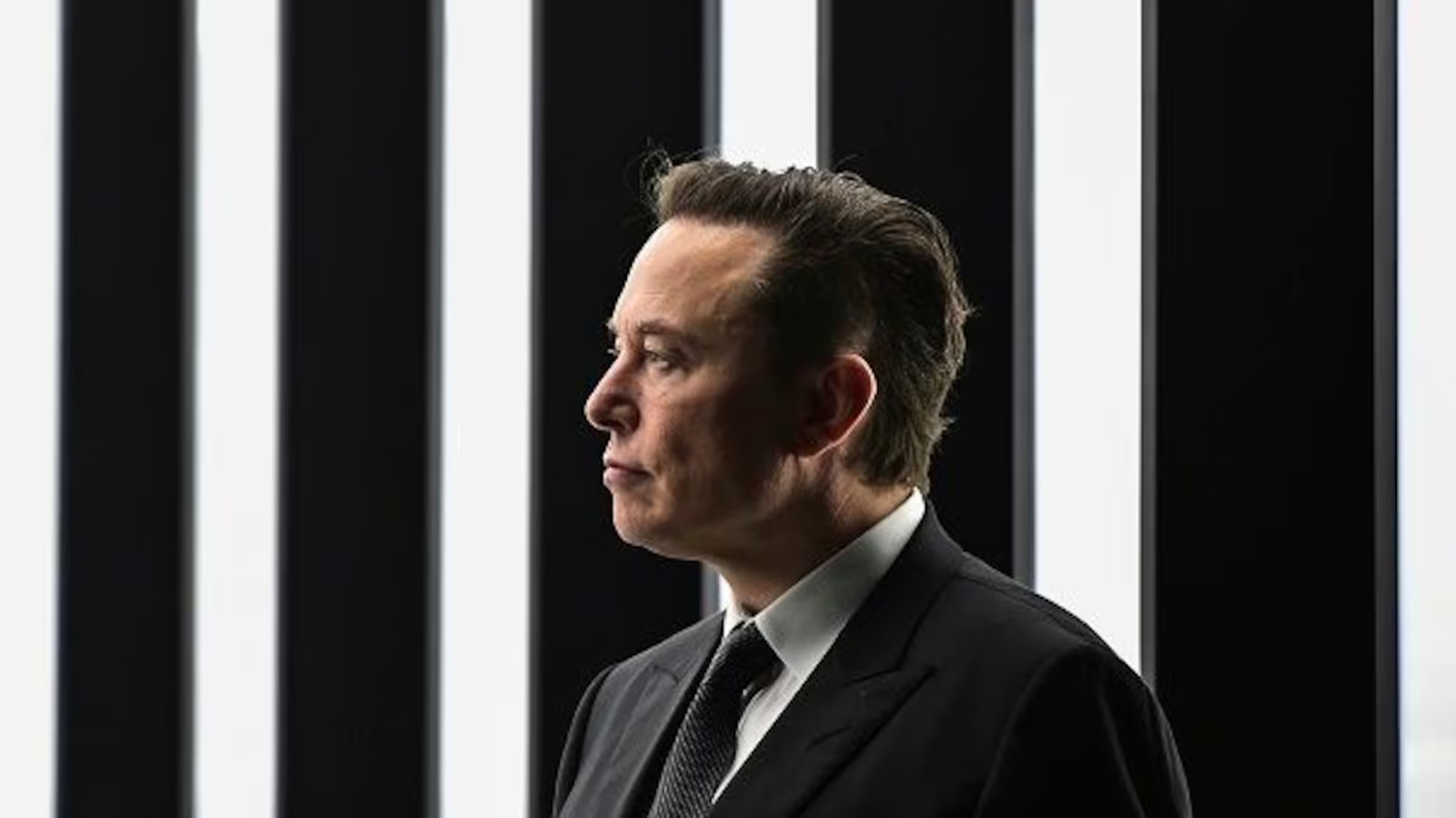
Elon Musk, Tesla CEO, attends the opening of the Tesla factory Berlin Brandenburg in Gruenheide, Germany, March 22, 2022.
Elon Musk has revealed ambitious plans to build a next-generation chip manufacturing hub in Texas, signaling a major push to secure the future of artificial intelligence and advanced computing. The project, called “Terafab,” will see Tesla and SpaceX collaborate on two highly specialized chip factories in Austin.
Announced over the weekend, the facility is designed to produce cutting-edge chips tailored for Musk’s expanding ecosystem—from electric vehicles and humanoid robots to AI systems operating beyond Earth.
Two Factories, Two Missions
Unlike traditional semiconductor plants, Terafab will consist of two separate fabrication units, each focused on a single chip design.
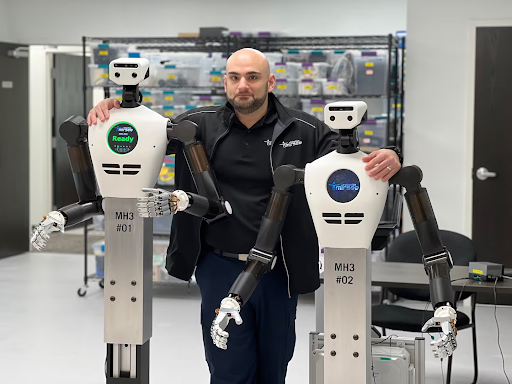
One factory will develop chips for Tesla’s vehicles and its Optimus humanoid robots. These chips are expected to power autonomous driving systems and advanced robotics.
The second facility will push boundaries even further—producing chips designed for artificial intelligence data centers in space, a concept that reflects Musk’s long-term vision of extending computing infrastructure beyond the planet.
A Bet on Self-Reliance
Musk made it clear that this move is about control over supply. Despite acknowledging current partners like Samsung and Micron, he warned that global chip production will soon fall short of demand.
“We either build the Terafab or we don’t have the chips,” Musk said, emphasizing the urgency behind the project.
The statement highlights a growing concern across the tech industry: reliance on external suppliers may not be enough to sustain the rapid growth of AI and advanced hardware.
Powering the Next Wave of AI
According to Musk, Terafab aims to generate one terawatt of computing capacity annually—double the current output across the United States.
That level of power would support everything from self-driving cars to large-scale AI systems and even space-based computing networks.
The space-focused chips, in particular, will need to withstand extreme conditions, including higher temperatures and radiation—requirements far beyond typical Earth-based hardware.
SpaceX Joins the Equation
While Tesla’s interest in building its own chips has been known, the involvement of SpaceX adds a new dimension. The aerospace company is increasingly tied to Musk’s broader AI ambitions, especially after its recent integration with his AI venture, xAI.
With SpaceX working toward satellite networks and space infrastructure, the idea of AI-powered systems operating in orbit is becoming more tangible.
Big Vision, Uncertain Timeline
As with many of Musk’s announcements, the scale is massive—but details remain limited. No clear timeline has been provided, and past projects have often faced delays.
Still, the vision is unmistakable: a vertically integrated future where Musk’s companies design, build, and control the core technology driving their products.
If realized, Terafab could redefine how and where the world’s most powerful chips are made—and who controls them.