Image: Travelers waiting in a dimly lit airport terminal. Travel Pulse Canada
The pressure on Europe's aviation sector is no longer a theoretical concern—it’s becoming a reality. The region’s air travel system is bracing for disruption, as the ongoing conflict in the Middle East drives up fuel prices and raises the risk of supply shortages.
Fuel Supply Shortage Looms Large
According to recent reports, the head of the International Energy Agency, Fatih Birol, warned that Europe might only have enough jet fuel for about six weeks if key supply routes continue to be blocked. He also indicated that flight cancellations could begin soon if the situation doesn’t improve. This warning is a major escalation from earlier concerns about rising fuel costs and operational strains. The focus has shifted from just the cost of fuel to the availability of fuel itself.
Aviation Sector Faces Unprecedented Crisis
Industry experts are calling this situation the worst crisis aviation has ever faced. John Gradek, a faculty lecturer in aviation management at McGill University, emphasized that unlike past crises such as 9/11 or the COVID-19 pandemic, the current challenge is the actual fuel supply. "Without fuel, you can’t fly," he pointed out, highlighting the dire nature of the crisis.
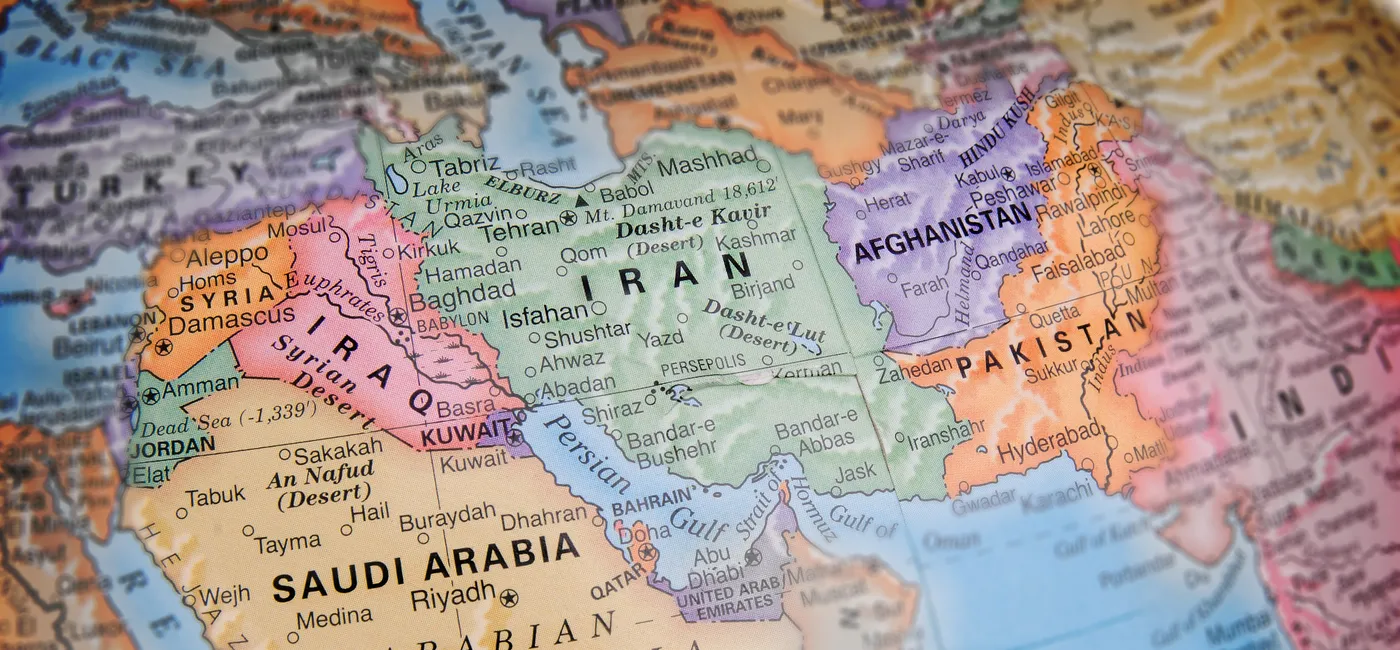
The issue stems from disruptions in the Strait of Hormuz, a critical channel for global oil shipments, and damage to oil refineries in the region. Even if the route reopens, experts say it will take time to restore supply to normal levels, adding more uncertainty to the situation.
Shifting Travel Plans and Higher Prices
The disruption in fuel supply is not only affecting airlines but also changing how travelers are planning their trips. Winnipeg-based tourism consultant Max Johnson described the current situation as “a mad world,” advising travelers to be cautious about booking flights amid this uncertainty. As fuel prices continue to rise, the predictability of flight prices is becoming a major concern for both airlines and travelers.
Airfares were already increasing before the latest escalation, and now, the unpredictability of future prices is leaving travelers uncertain about when or how much they should book. According to Amra Durakovic from Flight Centre Canada, some travelers are booking as far as six months in advance to lock in prices, while others are holding off, hoping for lower fares—a risky strategy in this volatile market.
Airline Struggles with Rising Fuel Costs
Airlines are facing their own set of challenges. Fuel is one of the largest operating expenses for airlines, and the current spike in fuel prices, combined with the possibility of limited supply, leaves little room for airlines to absorb these increases. This puts the industry in uncharted territory, as demand remains strong, but the ability to meet that demand is now uncertain.
Planning a trip to Europe, for example, now comes with added risks. Not only are ticket prices unpredictable, but travelers also face uncertainty around flight routes and even whether their flights will operate as scheduled.
The Road Ahead
The aviation industry is entering an unprecedented period of uncertainty. While demand for travel remains high, fuel supply disruptions are making it harder for airlines to keep up. As the situation in the Middle East continues, travelers and airlines alike are bracing for a period of unpredictability. Airlines may need to adjust their strategies to stay afloat, and travelers will need to stay flexible and ready for potential changes to their travel plans.