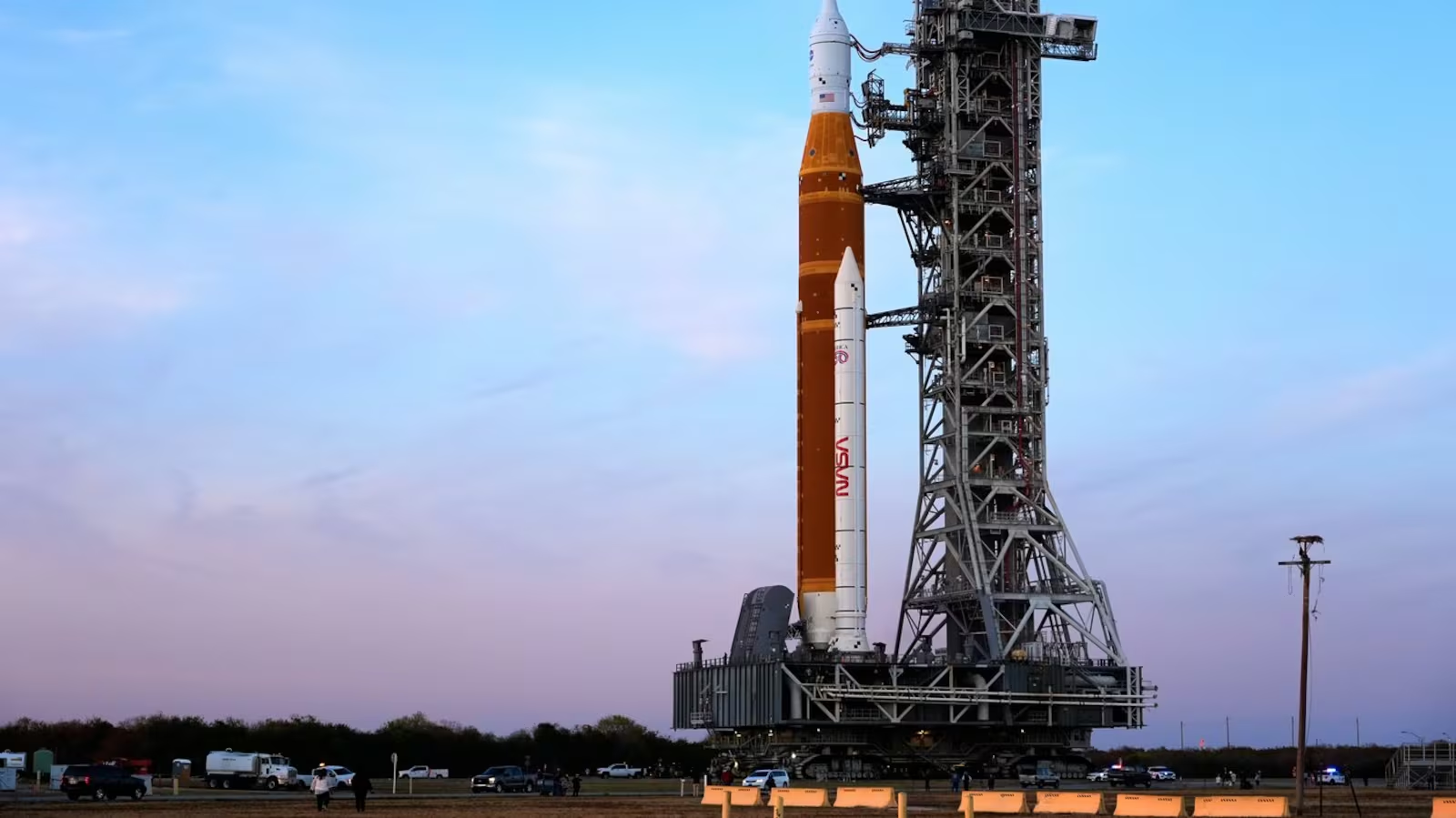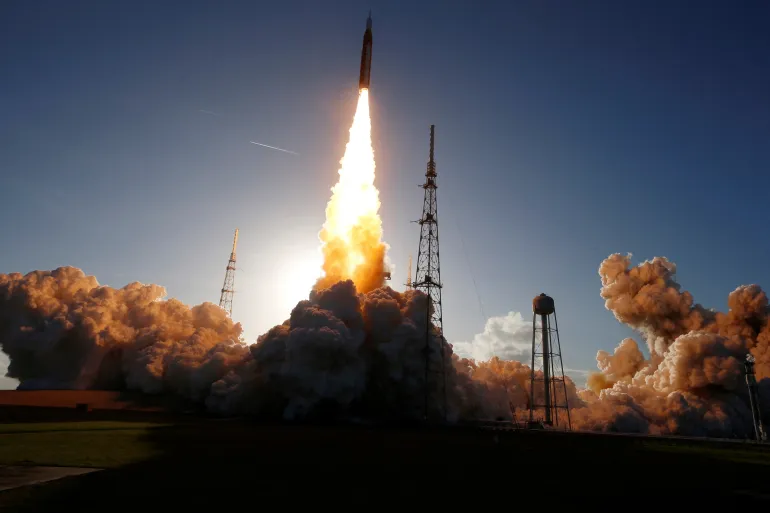
NASA's Artemis II mission to fly by the moon, comprising of the Space Launch System (SLS) rocket with the Orion crew capsule, lifts off from the Kennedy Space Center in Cape Canaveral, in Florida, the US.
The Artemis II moon mission has successfully launched from Florida, sending four astronauts on a landmark journey around the moon and signaling a new era in human space exploration. This mission represents the first time humans have traveled beyond low-Earth orbit in more than five decades, reviving ambitions last seen during the Apollo era.
Crowds gathered in large numbers at Kennedy Space Center to witness the powerful liftoff, as the towering rocket carried the crew into space with precision. The mission is a critical step in NASA’s broader vision to establish a sustained human presence on the moon and eventually push further toward Mars.
Artemis II Moon Mission Crew Begins Historic Journey
The Artemis II moon mission crew includes astronauts Reid Wiseman, Victor Glover, Christina Koch, and Canadian astronaut Jeremy Hansen. Together, they are embarking on a nearly 10-day mission that will take them farther into space than any humans have traveled in recent decades.
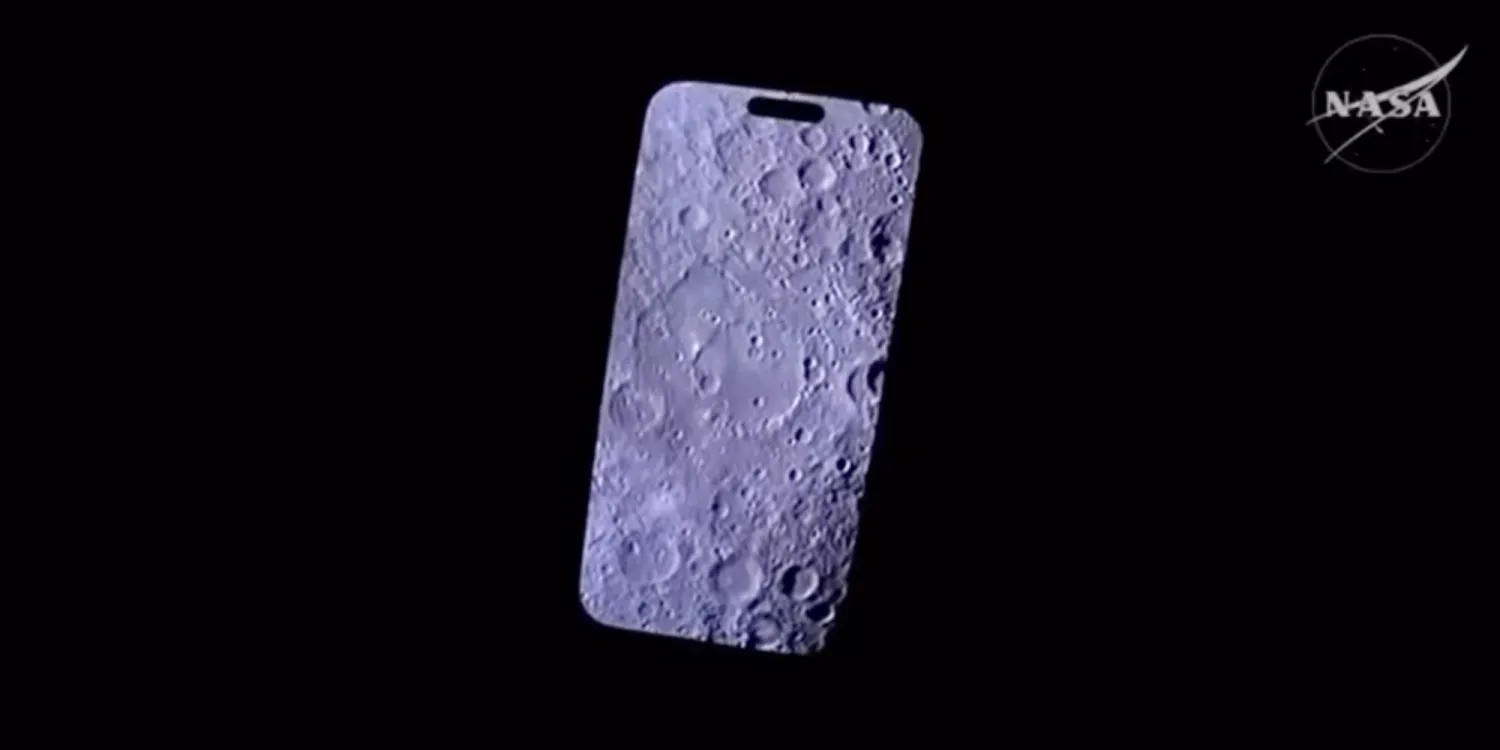
Shortly after launch, the crew reported a clear view of their destination, marking an emotional and symbolic moment in the journey. Their mission not only represents scientific progress but also carries the aspirations of a new generation inspired by space exploration.
Overcoming Technical Challenges Before Liftoff
The path to launch was not without challenges, as engineers closely monitored critical systems in the hours leading up to liftoff. Fueling operations, which had previously caused delays due to hydrogen leaks, proceeded smoothly this time without major issues.
NASA teams also resolved technical concerns involving communication systems and onboard components. These included adjustments to the rocket’s safety mechanisms and temperature irregularities within the spacecraft’s abort system.
The successful resolution of these issues ensured the Artemis II moon mission could proceed without further delays, highlighting the precision and coordination required for such a complex operation.
Mission Plan: Journey Around the Moon
In the initial phase, the crew will remain in high Earth orbit to conduct thorough system checks, ensuring the spacecraft is fully prepared for deep-space travel. Once these tests are completed, a critical engine burn will propel the spacecraft toward the moon.
The Artemis II moon mission will follow a carefully calculated trajectory, allowing the spacecraft to travel around the moon before naturally returning to Earth. During this journey, astronauts will monitor key systems, including navigation, communication, and life-support functions.
This approach not only tests the spacecraft’s capabilities but also ensures maximum safety for future missions that may involve landing on the lunar surface.
Safe Return and Future Exploration Goals
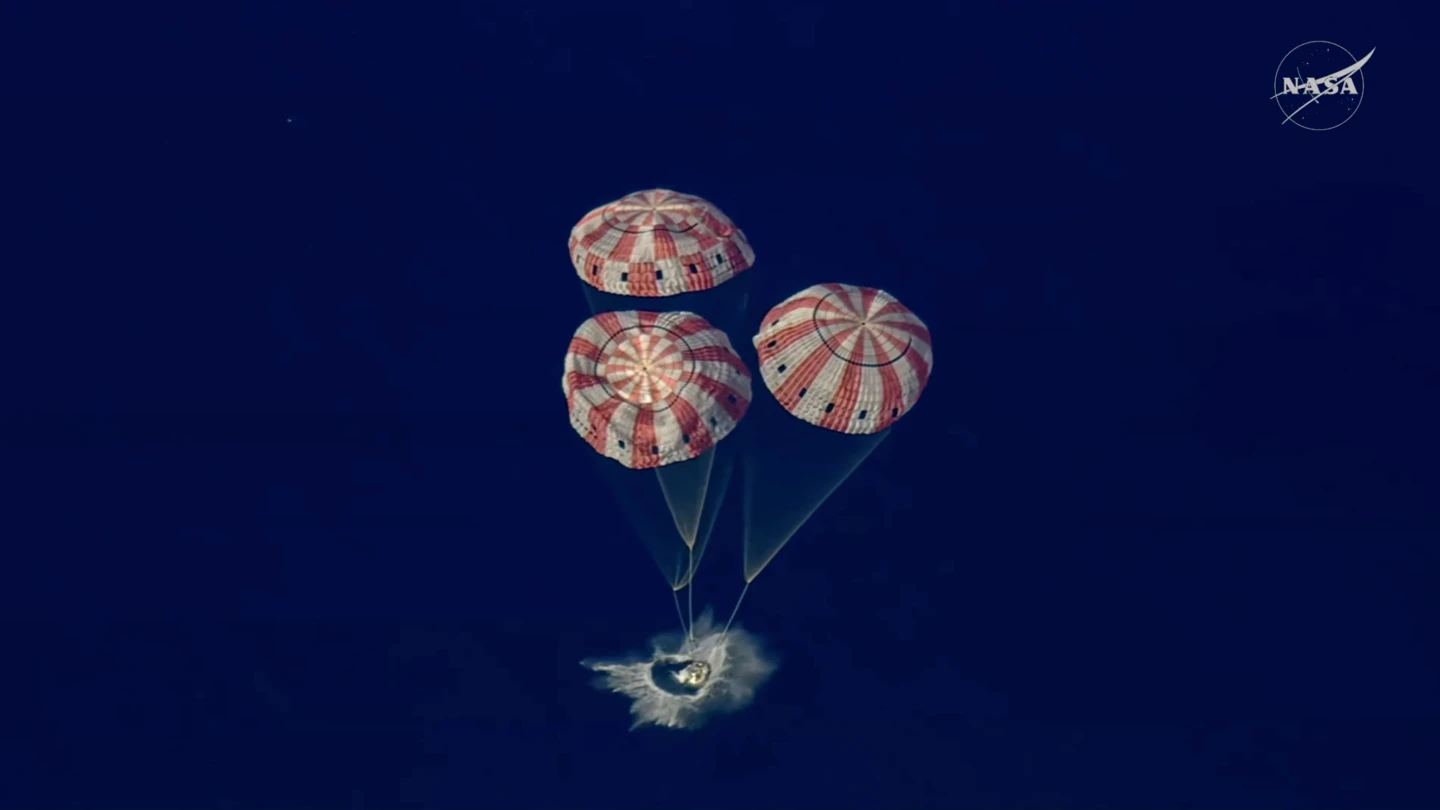
After completing the lunar flyby, the crew will begin their journey back to Earth, continuing system evaluations throughout the return phase. The spacecraft is expected to re-enter Earth’s atmosphere at extremely high speeds before safely splashing down in the Pacific Ocean.
Recovery teams will then retrieve the crew, marking the successful completion of a mission that serves as a foundation for future exploration efforts.
Artemis II Moon Mission Signals a New Space Era
The Artemis II moon mission is widely seen as a defining moment in modern space exploration, bridging the gap between past achievements and future ambitions. With many people around the world having no memory of the Apollo missions, this journey represents a renewed opportunity to inspire global interest in space.
By successfully executing this mission, NASA has taken a significant step toward returning humans to the moon and preparing for even more ambitious ventures, including crewed missions to Mars.