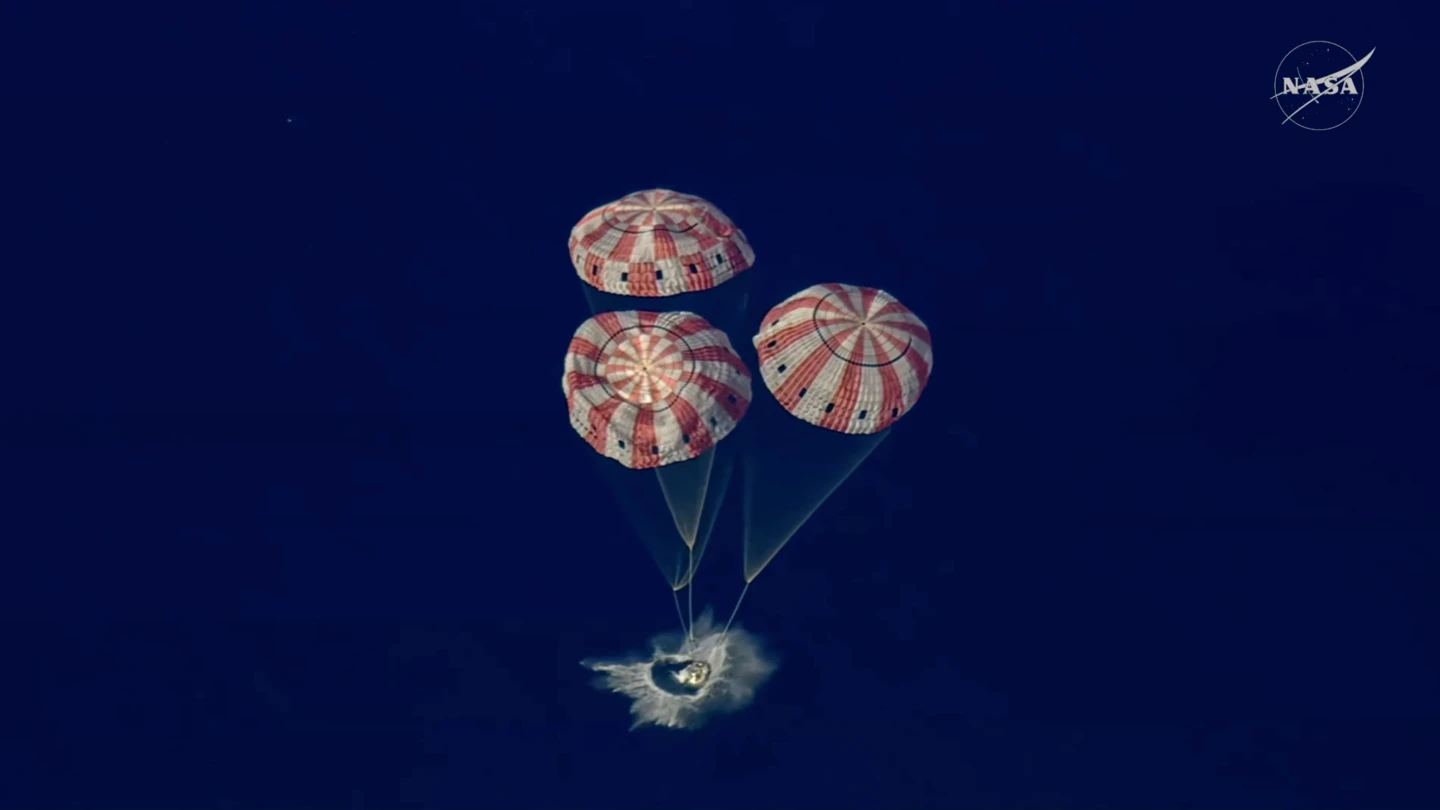
In this image from video provided by NASA, the Artemis II Orion capsule splashes down in the Pacific Ocean, on Friday, April 10, 2026.
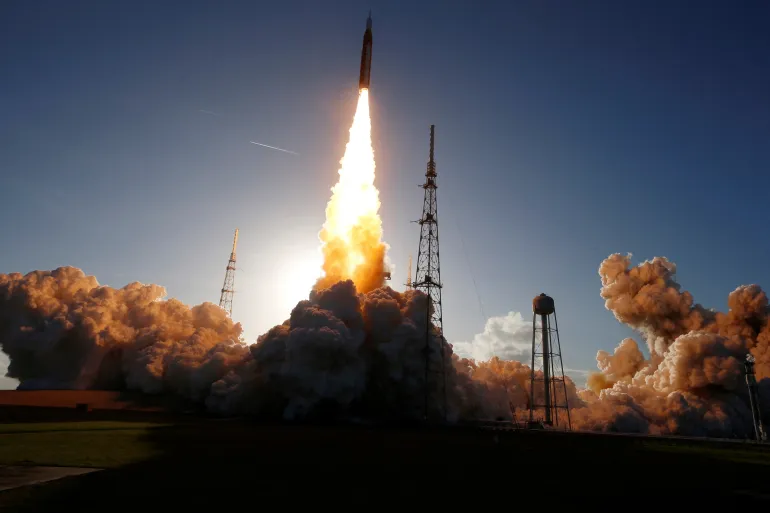
The Artemis II mission concluded with a dramatic splashdown in the Pacific Ocean, bringing home the first crewed lunar journey in over 50 years. As the capsule touched down safely off the California coast, it marked not just the end of a mission, but the beginning of a new era in human space exploration.
After nearly ten days in space, the four astronauts returned to Earth following a record-breaking voyage around the moon. Their journey captivated global audiences, blending scientific achievement with moments of awe that redefined humanity’s connection to space.
Artemis II Mission Sets New Records Beyond the Moon
The Artemis II mission pushed the boundaries of human exploration, reaching farther into space than any crew before. At its peak, the spacecraft traveled more than 252,000 miles from Earth, surpassing records set during the Apollo era.
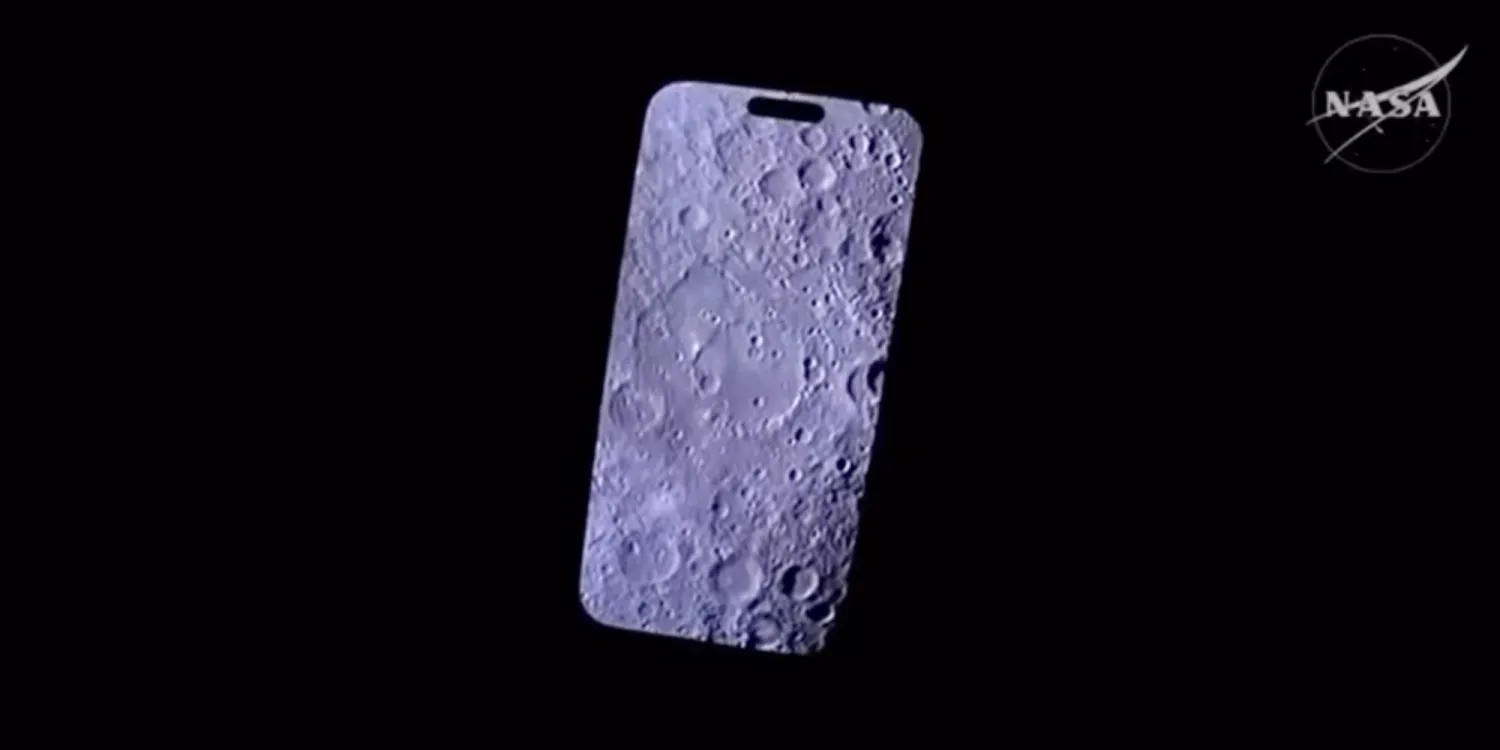
Although the mission did not involve a lunar landing, its trajectory around the moon provided unprecedented views of the far side, a region never before seen directly by human eyes. The crew also witnessed a rare total solar eclipse, adding a remarkable highlight to an already historic journey.
Throughout the mission, the astronauts documented stunning images, including views of Earth appearing as a distant blue sphere against the vast darkness of space. These visuals echoed iconic moments from earlier space missions while offering a fresh perspective for a new generation.
A Diverse Crew Leads the Lunar Comeback
The Artemis II mission stood out not only for its achievements but also for the diversity of its crew. Commander Reid Wiseman, pilot Victor Glover, mission specialist Christina Koch, and Canadian astronaut Jeremy Hansen represented a new chapter in space exploration.
Their participation marked several historic milestones, including the first woman, the first Black astronaut, and the first non-American to travel to the moon. This diverse representation reflected a broader effort to make space exploration more inclusive and globally significant.
Upon their return, the astronauts were recovered by military teams and transported to a Navy ship, where they underwent routine medical evaluations. Unlike earlier missions, they exited the capsule independently, signaling improved recovery protocols and mission confidence.
High-Stakes Reentry Tests Technology and Nerves
The final phase of the Artemis II mission proved to be one of its most intense moments. The capsule reentered Earth’s atmosphere at extraordinary speeds, generating extreme heat as it was enveloped in plasma.
During this period, communication was temporarily lost, heightening tension among mission control teams and the astronauts’ families. The successful reestablishment of contact and subsequent splashdown brought widespread relief and celebration.
The mission also tested advanced systems, including the spacecraft’s heat shield, which endured the intense conditions of reentry. While some minor technical issues were reported during the flight, including equipment malfunctions, the crew managed them effectively without compromising mission success.
Laying the Groundwork for Future Moon Missions
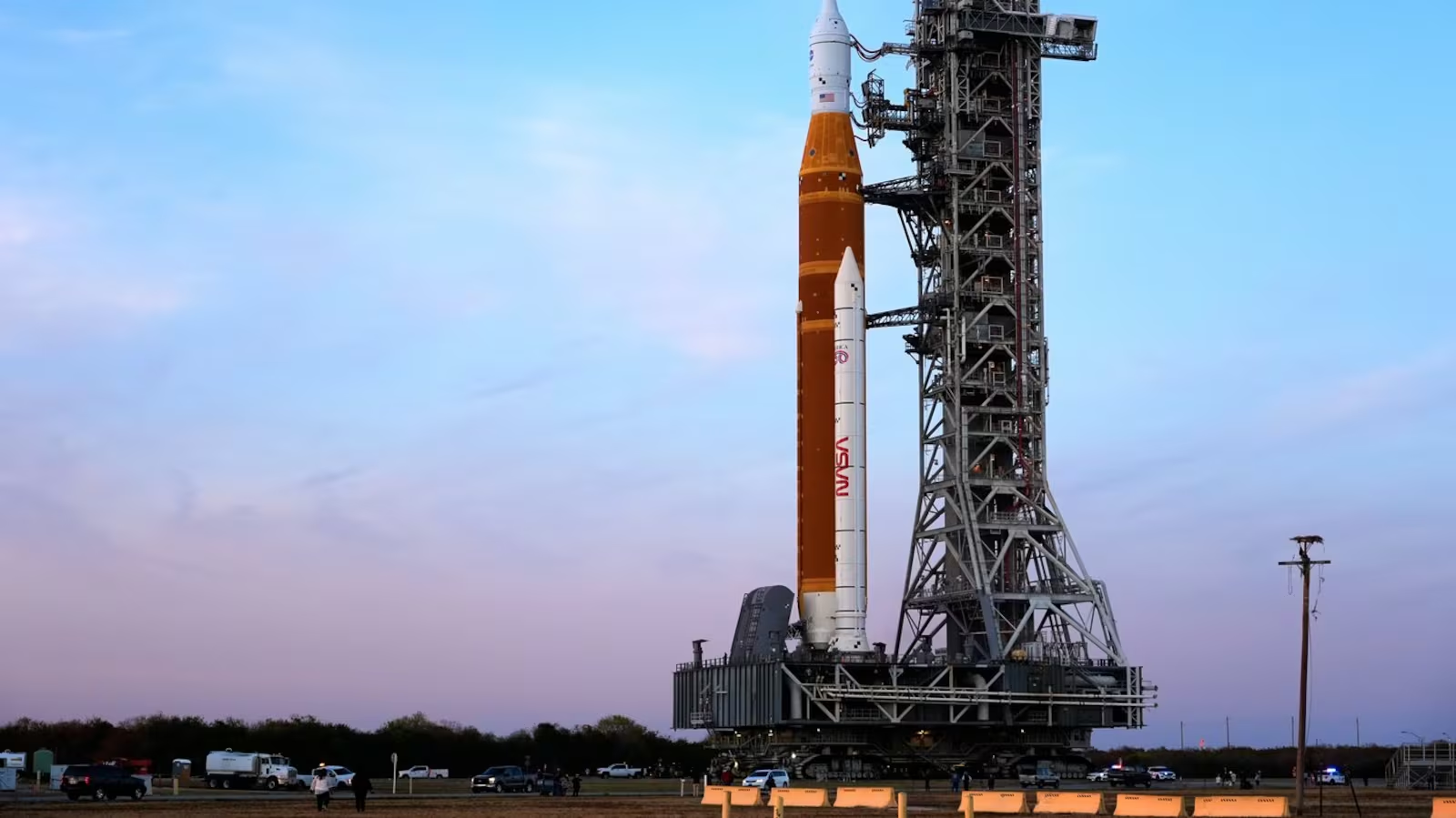
Beyond its immediate achievements, the Artemis II mission serves as a crucial step toward future lunar exploration. NASA plans to build on this success with upcoming missions aimed at establishing a sustained human presence on the moon.
The next phase will involve further testing and preparation, including docking procedures and eventual crewed landings near the lunar south pole. These efforts are part of a broader vision to develop a long-term lunar base within the coming decade.
A Mission That Inspired the World
As the Artemis II mission came to a close, it left behind more than scientific data and technical milestones. It reignited global interest in space exploration and reminded people of the shared human drive to explore the unknown.
The astronauts themselves emphasized the importance of unity and perspective, expressing hope that their journey would inspire appreciation for Earth and its place in the universe. Their mission, while historic in its own right, also set the stage for even greater achievements in the years ahead.