Yen Expected to Weaken Further in North American Trading, Say Analysts. Mia Glass and Saburo Funabiki
The Japanese yen is expected to face more selling pressure during North American trading hours, according to a recent Bloomberg News analysis. As U.S. traders come online, the yen tends to weaken against the dollar, highlighting the source of significant short-selling trades on Japan’s currency.
On Tuesday, the U.S. dollar gained strength as U.S. Treasuries were sold off, increasing pressure on the yen. A contributing factor is the uncertainty surrounding the Federal Reserve’s approach to interest rate cuts. Several Fed officials have urged caution on reducing rates too quickly, which leaves investors unsure about how soon the gap between U.S. and Japanese yields will narrow. This gap has a direct impact on the yen's value, and as it widens, the yen weakens. Currently, investors are targeting the yen’s 200-day moving average of 151.36 as a critical marker.
Juntaro Morimoto, a senior currency analyst at Sony Financial Group, emphasized that if the yen surpasses this level, it could pave the way for further weakening, potentially pushing the dollar-yen exchange rate to around 155. However, if the yen fails to break through, it may stabilize and find it challenging to weaken further.
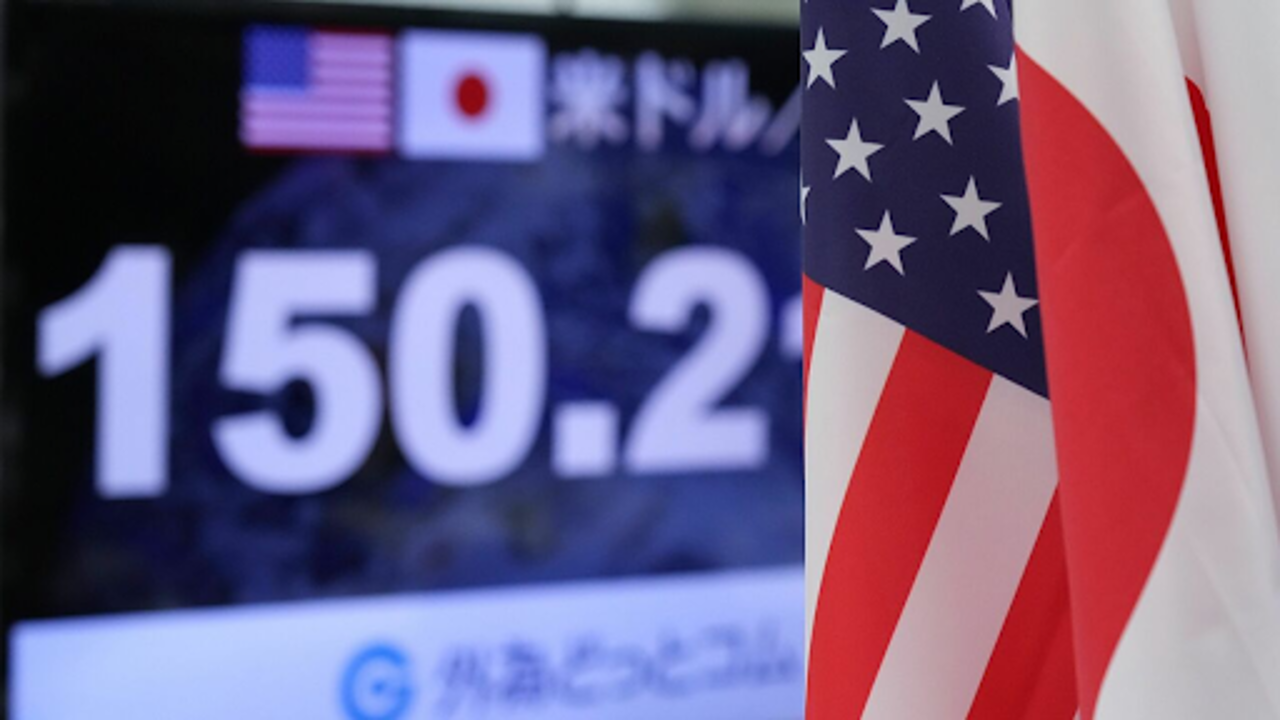
Last week, stronger-than-expected U.S. economic data sent the dollar surging past the psychological barrier of 150 yen. Market participants had previously reduced their expectations for an immediate interest rate cut by the Federal Reserve, which led to dollar strength and yen weakness. On Tuesday afternoon, the yen dropped by 0.2%, hitting 151.10, its lowest level since July.
Junichi Ishikawa, senior foreign exchange strategist at IG Markets, noted that the dollar-yen pair has been rising steadily since the end of September when U.S. long-term yields began to climb. With growing optimism about a soft landing for the U.S. economy, speculation is rising that U.S. officials will slow down the pace of interest rate cuts. The key focus for the rest of the year will be how much further the dollar-yen rate can rise in response to these market dynamics.
Adding to the yen’s vulnerability is Japan’s upcoming lower house election on October 27. With declining support for Prime Minister Shigeru Ishiba’s ruling coalition, there’s increased uncertainty around Japan’s political landscape. If the election results lead to an unstable government, it could cause market volatility, further impacting the yen. Morimoto warned that predicting the election's effect on the yen is difficult, and the currency could see significant swings as political speculation grows. Investors may be hesitant to take strong positions before the election results are clear.
In summary, the yen continues to face challenges from both the U.S. economic outlook and domestic political uncertainties. With U.S. traders poised to drive further selling, and Japan’s election adding to the unpredictability, the yen’s future remains clouded.