Hormuz flashpoint intensifies as Iran detains vessels. (Photo Credit: Associated Press)
Tensions in the Strait of Hormuz escalated sharply after Iran fired on three commercial vessels and seized two of them, even as a fragile ceasefire remains in place. The incident comes amid an ongoing U.S. blockade of Iranian ports, with diplomatic efforts showing little progress.
Ship Seizures Deepen Maritime Standoff
Iran’s paramilitary Revolutionary Guard targeted multiple vessels in the strategic waterway, which handles a significant share of global oil shipments. Two ships were reportedly taken toward Iranian territory, according to local media.
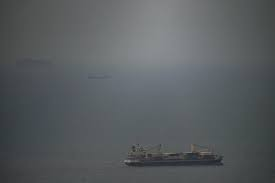
One vessel, the Epaminondas, was fired upon near Oman, sustaining damage to its bridge. Another cargo ship was also attacked and later halted, though no injuries were reported. A third vessel, identified as the Euphoria, was said to be stranded along the Iranian coast.
Panama condemned the seizure of one of the ships sailing under its flag, calling it a serious breach of maritime security.
Ceasefire Holds, But Tensions Persist
Despite the escalation, U.S. officials stated that the seizures did not violate the ceasefire terms, as the vessels involved were not American or Israeli.
The current ceasefire has paused direct military strikes between Iran, the U.S., and Israel. However, maritime tensions remain unresolved, with both sides maintaining pressure through other means.
Iran has indicated that reopening the Strait of Hormuz is unlikely as long as the U.S. blockade continues.
Global Oil Supply Under Pressure
The disruption in the Strait has significantly affected global energy markets. Nearly 20 percent of the world’s traded oil typically passes through this route during normal conditions.
Oil prices have surged, with Brent crude crossing $100 per barrel, reflecting a sharp increase since the conflict began. The rise has already impacted fuel costs and is contributing to higher prices for goods worldwide.
European officials have warned that the ongoing disruption could have long-term economic consequences. The daily cost to Europe alone has been estimated at hundreds of millions of euros.
Shipping Activity Continues Under Risk
Despite the tensions, some tanker movements continue in and out of the Persian Gulf. Data shows several shipments of Iranian crude have still been transported following the U.S. blockade.
However, uncertainty over safety is expected to deter more vessels from entering the region. This could further tighten global energy supplies in the coming weeks.
Diplomatic Talks Remain Uncertain
Efforts to restart negotiations between Iran and the U.S. remain stalled. Iranian officials have indicated that talks will not resume unless the blockade is lifted.
Iran has also accused the U.S. of acting in bad faith, further complicating the diplomatic process. There is currently no clear timeline for when discussions might restart.
On the ground, uncertainty continues to affect daily life in Iran, with many citizens unsure of the conflict's direction.
Violence Continues Beyond the Strait
Elsewhere in the region, violence has continued despite the ceasefire. In southern Lebanon, multiple airstrikes have resulted in casualties, including civilians and a journalist.
Local authorities reported deaths and injuries from separate incidents across villages. Israel has denied involvement in at least one of the strikes and has not commented on others.
The situation remains volatile, with both sides accusing each other of violating ceasefire conditions.
Rising Human Toll of the Conflict
Since the conflict began, thousands of casualties have been reported across the region. Iran and Lebanon have seen the highest numbers, while deaths have also been recorded in Israel and the Gulf states.
Military personnel from multiple countries have also been among those killed, highlighting the broader impact of the conflict.
Uncertain Path Ahead
While direct airstrikes have paused under the ceasefire, the maritime conflict in the Strait of Hormuz continues to escalate. With no clear diplomatic breakthrough and ongoing economic impact, the situation remains highly unstable.