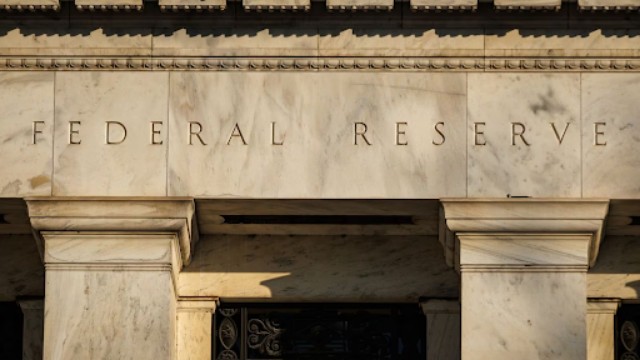
The Marriner S. Eccles Federal Reserve building in Washington, D.C., captured in a photograph by Samuel Corum for Bloomberg.
The U.S. Federal Reserve has decided to keep interest rates unchanged despite concerns that rising tariffs could fuel inflation. The central bank still anticipates two rate cuts later this year, but policymakers now expect economic growth to slow down more than previously predicted.
Slower Growth, Higher Inflation
According to the Fed’s latest economic projections, the U.S. economy is expected to expand at a slower rate—dropping to 1.7% in 2025 from 2.8% last year. Inflation is also expected to climb slightly to 2.7% by the end of next year, exceeding the central bank’s 2% target.
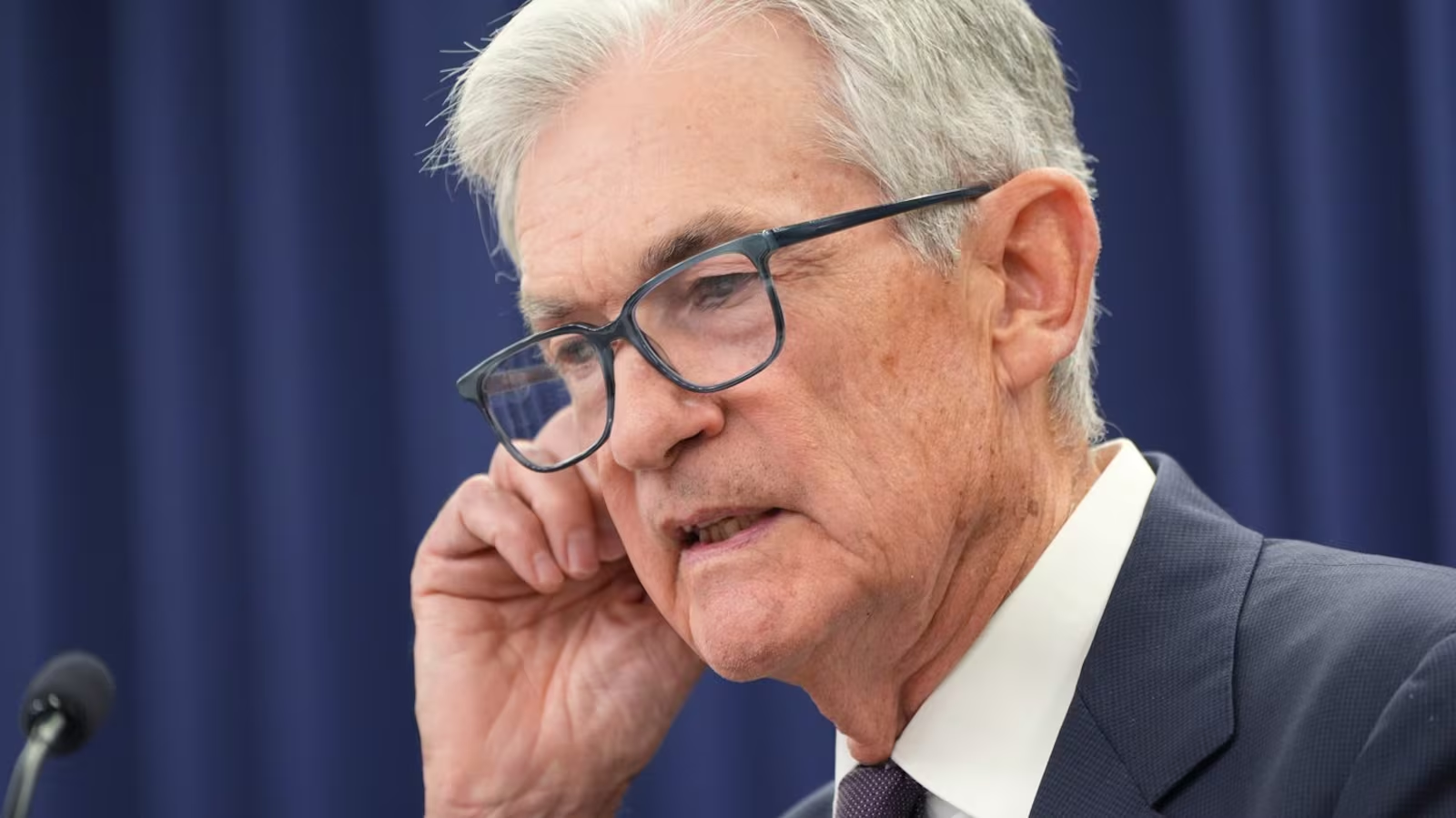
Fed Chair Jerome Powell acknowledged that while progress had been made in stabilizing prices, new tariffs imposed by the Trump administration are beginning to increase inflationary pressures. “We were getting closer to price stability,” Powell said. “But with these tariffs, further progress may be delayed.” Despite this, he expressed confidence that inflation will move closer to 2% in the long term.
Balancing Inflation and Economic Stability
The Fed’s decision to maintain rates highlights the challenge it faces: Higher inflation usually calls for higher interest rates, but a slowing economy and rising unemployment typically warrant rate cuts. The unemployment rate, currently at 4.1%, is projected to rise to 4.4% by the end of the year.
For the second consecutive meeting, the Fed held its key interest rate steady at approximately 4.3%. Policymakers are closely monitoring the impact of the Trump administration’s policies, with some economists warning that tariffs could push inflation to 3% by year-end. However, Powell noted that deregulation could offset some of these effects by reducing business costs.
Uncertainty Looms Over Economic Outlook
Despite rising concerns among businesses and consumers, Powell reassured that the economy remains stable. “While sentiment has declined sharply, economic activity has not,” he said. However, he acknowledged that uncertainty is unusually high, and the Fed plans to adopt a cautious approach. “We’re well-positioned to wait for more clarity before making any further moves,” he added.
In an additional policy shift, the Fed announced it would slow the pace of reducing its Treasury holdings. Previously, it allowed $25 billion in Treasurys to mature each month without reinvestment; now, that figure will be reduced to $5 billion. The move aims to keep long-term interest rates lower, though Powell stressed that this adjustment is technical and unrelated to overall rate policies.
Concerns About Consumer Spending and Housing
Retailers have noted a shift in consumer behaviour, with shoppers becoming more cautious due to rising prices. Retail sales showed only modest growth last month after a sharp drop in January. Meanwhile, home builders and contractors anticipate increased costs for housing projects, further straining affordability.
Economists at Barclays and Goldman Sachs have revised their forecasts, expecting weaker growth and higher inflation than previously estimated. If tariffs continue driving up costs, inflation could hit 3% by the end of the year, further complicating the Fed’s decisions on interest rates.