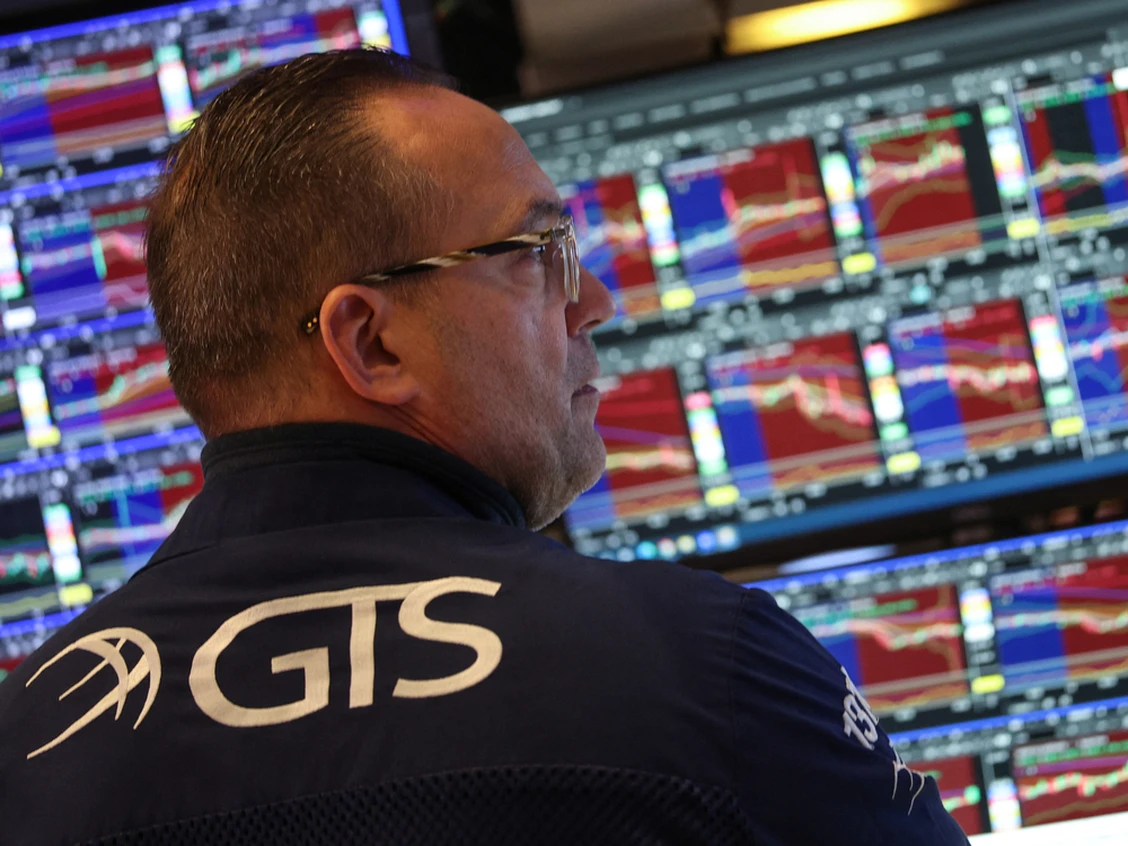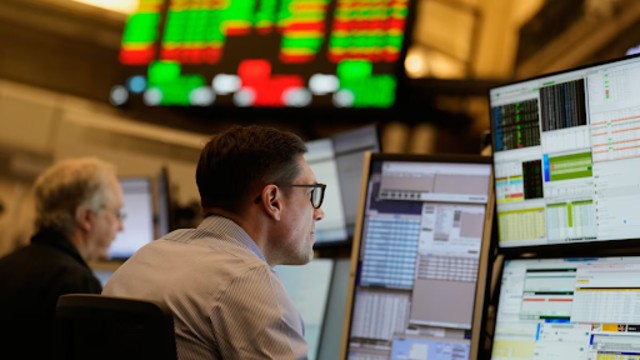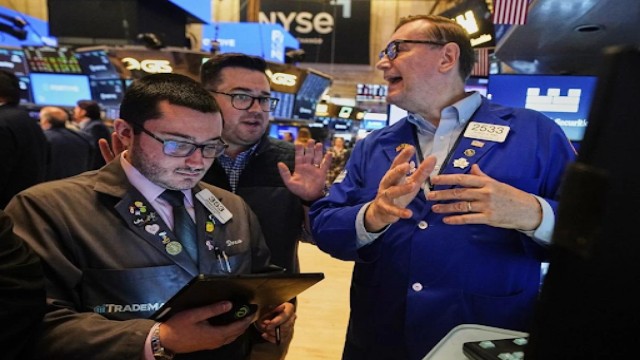
Traders Drew Cohen and Joseph Lawler are seen working alongside specialist Patrick King on the floor of the New York Stock Exchange on Tuesday, June 10, 2025. (AP Photo/Richard Drew)
U.S. stock markets took a sharp hit on Tuesday after oil prices spiked, rattled by deepening tensions between Israel and Iran. The Dow Jones Industrial Average fell by nearly 300 points, closing the day down 0.7%. Meanwhile, the S&P 500 dropped 0.8%, and the Nasdaq slid 0.9%, nearly wiping out the gains Wall Street had made earlier in the week.
The primary trigger behind the market slide was a surge in oil prices. U.S. crude jumped 4.3% to $74.84 a barrel, and Brent crude rose 4.4% to $76.45. These increases followed U.S. President Donald Trump's stark warning to Iran, demanding what he called its “unconditional surrender.” He also advised civilians in Tehran to evacuate, sending a jolt through global energy markets.
What troubled investors further was how fast Trump’s stance changed—from proposing a possible nuclear deal to urging mass evacuation. Such political volatility heightened concerns that conflict in the region might disrupt oil flows, especially through the critical Strait of Hormuz, a narrow passage through which a large portion of global oil shipments pass.
History shows that clashes in this area tend to cause short-lived oil price jumps, but markets remain wary. Iran’s pivotal role in the global oil supply chain means even temporary instability can shake markets deeply.
Typically, when oil prices climb, renewable energy stocks benefit. But Tuesday painted a different picture. Solar-related shares plunged amid growing uncertainty over the future of federal tax credits for clean energy projects. Enphase Energy tumbled by 24.3%, and First Solar sank 18.5%, as investors feared Congress may roll back incentives.
Adding to Wall Street's woes, a report showed that American consumers cut back on spending at retail stores last month. This unexpected dip spurred fresh anxiety over the health of the U.S. economy. Consumer spending has so far played a key role in preventing a recession, but some analysts believe May’s slowdown might just reflect a return to normal following April’s surge in car purchases ahead of Trump’s proposed tariffs.
Still, analysts warn against reading too much into one month's figures. “Consumers are easing up, but they haven’t hit the brakes completely,” said Ellen Zentner, chief economist at Morgan Stanley.
Bond markets reflected investor caution as well. The yield on the 10-year Treasury note fell to 4.38%, while the 2-year dropped to 3.94%. Falling yields typically signal increased demand for safer investments.
Amid the broader downturn, a few stocks stood out. Electronics manufacturer Jabil saw its shares jump 8.2% after surpassing earnings expectations, helped by rising demand for artificial intelligence-related products. Meanwhile, Verve Therapeutics soared 81.3% after Eli Lilly announced it would acquire the gene therapy firm in a deal worth up to $1.3 billion.
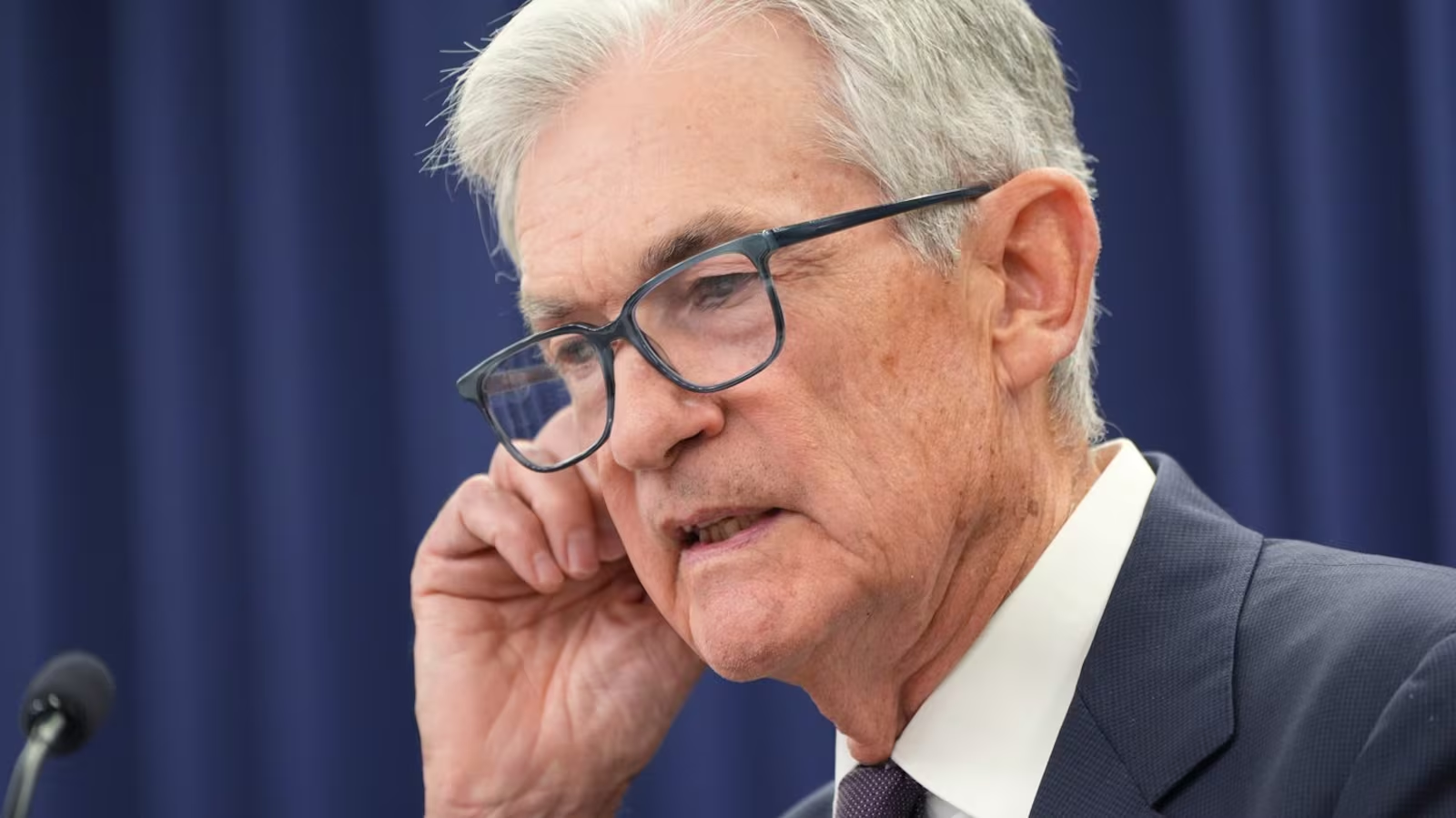
As all this unfolded, the Federal Reserve kicked off its two-day meeting. While no immediate interest rate changes are expected, investors are watching closely for the Fed’s updated forecasts, particularly regarding inflation and future rate decisions. Inflation remains tame, hovering near the Fed's target of 2%, which may give the central bank room to maneuver without rushing into cuts.
Overseas markets also reflected nervous sentiment. European indexes slid, and while Asia ended mixed, Japan’s Nikkei 225 rose 0.6% after the Bank of Japan kept rates steady.