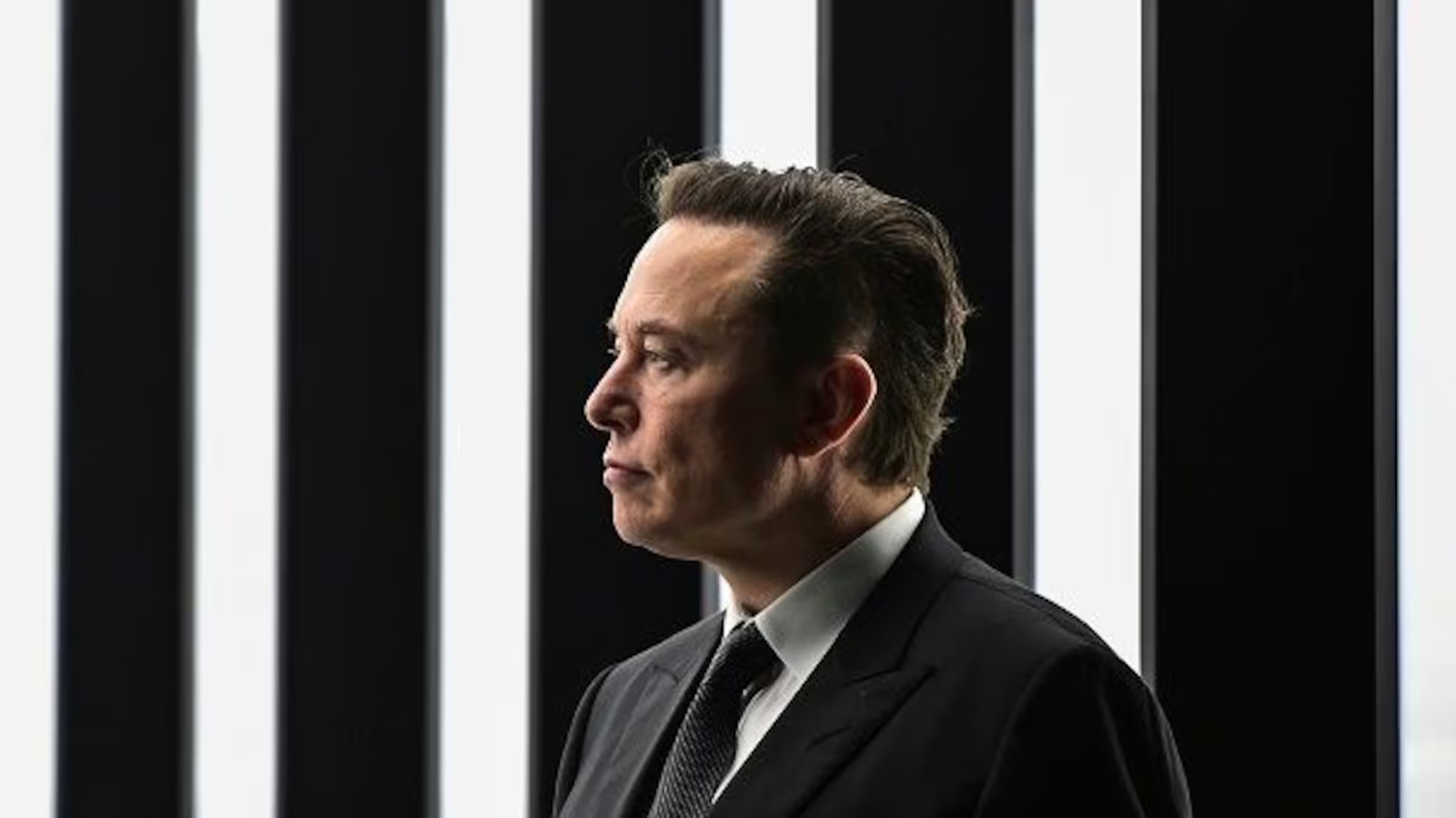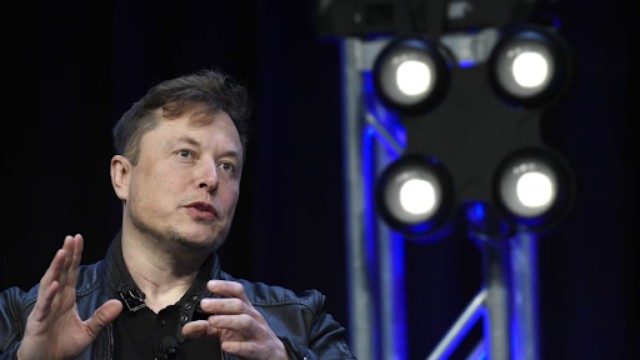
Elon Musk, CEO of Tesla and SpaceX, spoke at the SATELLITE Conference held in Washington (AP Photo/Susan Walsh, File)
Elon Musk has long promised a future filled with driverless Tesla taxis. Back in 2019, he boldly claimed we’d see robotaxis on roads “next year.” That deadline passed — then passed again. Still, the promises continued. Just last year, he said Tesla would launch over a million self-driving cabs by now. That didn’t happen either.
Now, Musk is finally taking a step forward. This Sunday, a small batch of Tesla robotaxis — just 10 to 12 cars — is expected to begin operating in a limited area of Austin, Texas. While that number may seem small compared to his earlier promises, Musk believes this test could be the beginning of something massive. If all goes well, he hopes to expand quickly across the U.S.
But the road ahead isn’t smooth.
Falling Behind as Rivals Race Ahead
While Musk was hyping timelines, competitors like Waymo were busy launching fully driverless taxis in cities such as Los Angeles, San Diego, and Austin. Waymo has already completed 10 million paid rides, making Tesla’s robotaxi dream seem more like a late entry than a revolution.
Meanwhile, Tesla has faced other troubles. Boycotts linked to Musk’s public comments and political posts have hurt the brand. Sales have fallen, and newer electric car makers are luring away Tesla customers. To make matters worse, Tesla stock took a major hit — a $150 billion plunge — after Musk publicly clashed with the U.S. President.
Though the stock has since recovered slightly, thanks in part to Musk expressing regret for some of his remarks, investors are still nervous. But many remain loyal. After all, Tesla stock was just $18 a decade ago. Today, it’s around $322.
A Modest Start, Lofty Plans
The Austin rollout is intentionally small. Only a handful of cars will serve a limited area at first. But Musk envisions a swift expansion — not just hundreds or thousands of cars, but potentially millions next year. Wall Street, however, remains skeptical.
“How fast can he scale?” asks analyst Garrett Nelson. “It’s a tiny launch.”
Others believe Musk is being overly optimistic again. “Until anyone in Austin can download an app and summon a robotaxi, it’s not real,” says Seth Goldstein of Morningstar. He predicts that full availability won’t happen until at least 2028.
Musk’s Bold Claims and Bumps in the Road
Musk has a history of making big promises to boost Tesla’s stock. In 2018, he told shareholders he had secured funding to take the company private — a claim that later proved false and earned him fines from regulators. More recently, he claimed Tesla was seeing a “major rebound” in sales, only for a European auto group to report a 50% plunge just a week later.
Tesla’s Full Self-Driving (FSD) feature has also come under fire. Despite its name, it still requires drivers to be alert and ready to take over. The system has faced investigations and lawsuits, with some cases settled and others dismissed.
Now, Musk insists the new robotaxis will operate on an improved version of FSD. He also claims that millions of existing Teslas can soon join the robotaxi fleet with just a software update — allowing owners to turn their parked cars into money-making vehicles.
“Instead of sitting idle, your Tesla could be earning money while you work or travel,” Musk said earlier this year.
Why Tesla’s Approach Is Different
Tesla’s strategy leans on camera-based navigation. In contrast, rivals like Waymo use a more costly mix of sensors, lasers, and radar. Musk believes his simpler system allows faster and cheaper deployment — and he’s banking on it giving Tesla a major edge.
He’s even suggested Tesla might control “99% of the market” someday. That’s a stretch, especially considering competition from Waymo, Amazon, and others. But fans like analyst Dan Ives believe Tesla could scale quickly and succeed where others stumble.
Even critics admit: Musk has a record of making the impossible real. From selling luxury EVs to landing rockets, he has defied expectations before.
“His timelines might be off,” Goldstein says, “but he does build the future.”