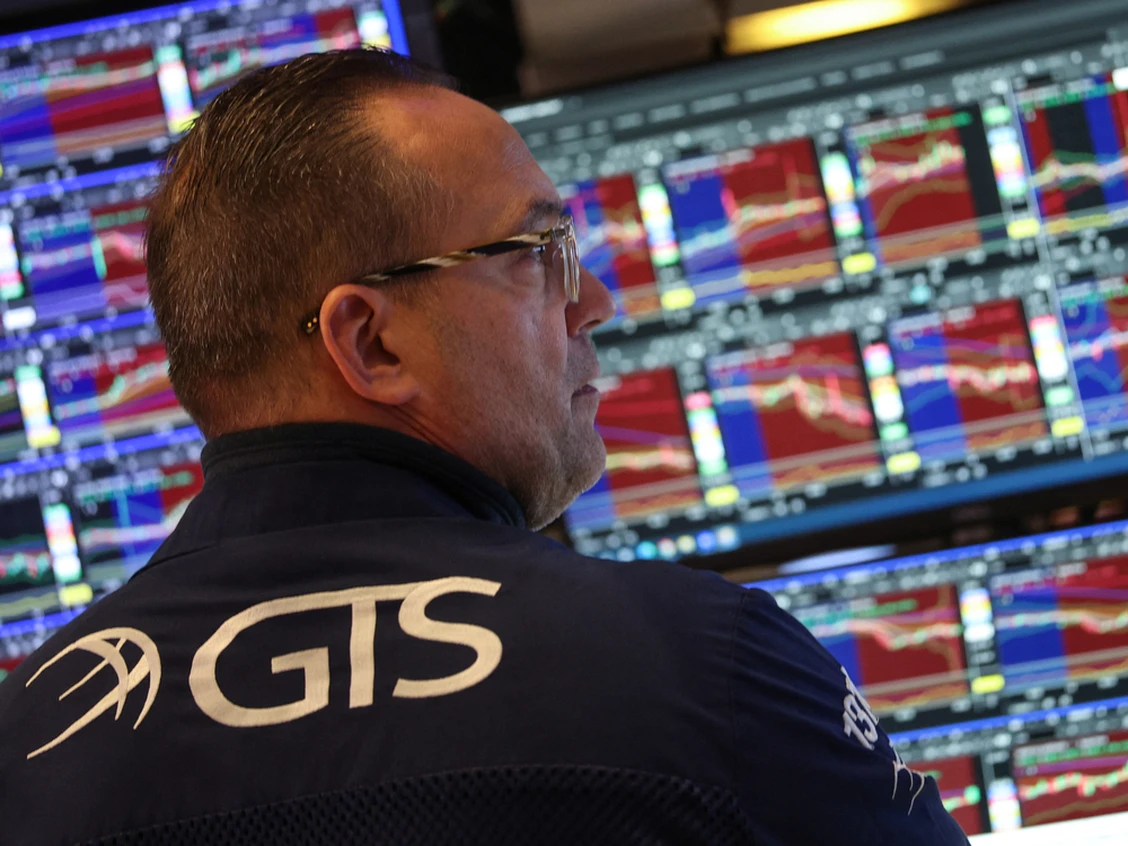
Ryan Falvey, a trader, is seen at work on the floor of the New York Stock Exchange on Monday, June 23, 2025. (AP Photo/Richard Drew)
Wall Street bounced back on Monday as investors bet that Iran would avoid escalating the Middle East conflict in a way that could choke global oil supplies. The U.S. stock market saw solid gains, while oil prices plunged — a hopeful sign that markets are expecting limited fallout from the latest U.S. military strikes.
The S&P 500 rose 1%, snapping back after a volatile week full of market swings driven by geopolitical fears. The Dow Jones Industrial Average added nearly 375 points, a 0.9% gain, while the Nasdaq climbed 0.9% as well.
Oil, however, told a different story. Prices initially spiked by 6% in early trading Sunday night after news of the U.S. targeting Iranian nuclear sites. But as markets digested the possibility that Iran might avoid attacking oil routes, crude prices reversed sharply. By late Monday, U.S. benchmark oil dropped 7.2%, closing at $68.51 per barrel—close to where it was before tensions began flaring up.
That dramatic turnaround in oil prices came as Iran launched missiles at the Al Udeid Air Base in Qatar, a key U.S. facility. The strike appeared to be a measured response, matching the number of bombs dropped by the U.S. over the weekend. Analysts saw this as a potential sign that Iran aims to retaliate without further inflaming the situation—at least for now.
The bigger concern for global markets has been whether Iran might try to block the Strait of Hormuz, a narrow but vital shipping route through which one-fifth of the world’s oil passes. Shutting it down could spike prices and rattle economies worldwide. But experts believe that’s unlikely.
Blocking the strait would hurt Iran’s own oil exports, especially to major buyers like China. “It would be like burning your own house to hurt a neighbour,” said energy analyst Tom Kloza. “Not impossible, but highly unlikely.”
Still, not everyone is so sure. Veteran oil expert Andy Lipow warned that geopolitical decisions aren’t always based on logic. If Iran does block the Strait, oil prices could soar to $120 or even $130 per barrel, triggering higher costs for transported goods and possibly disrupting global inflation forecasts.
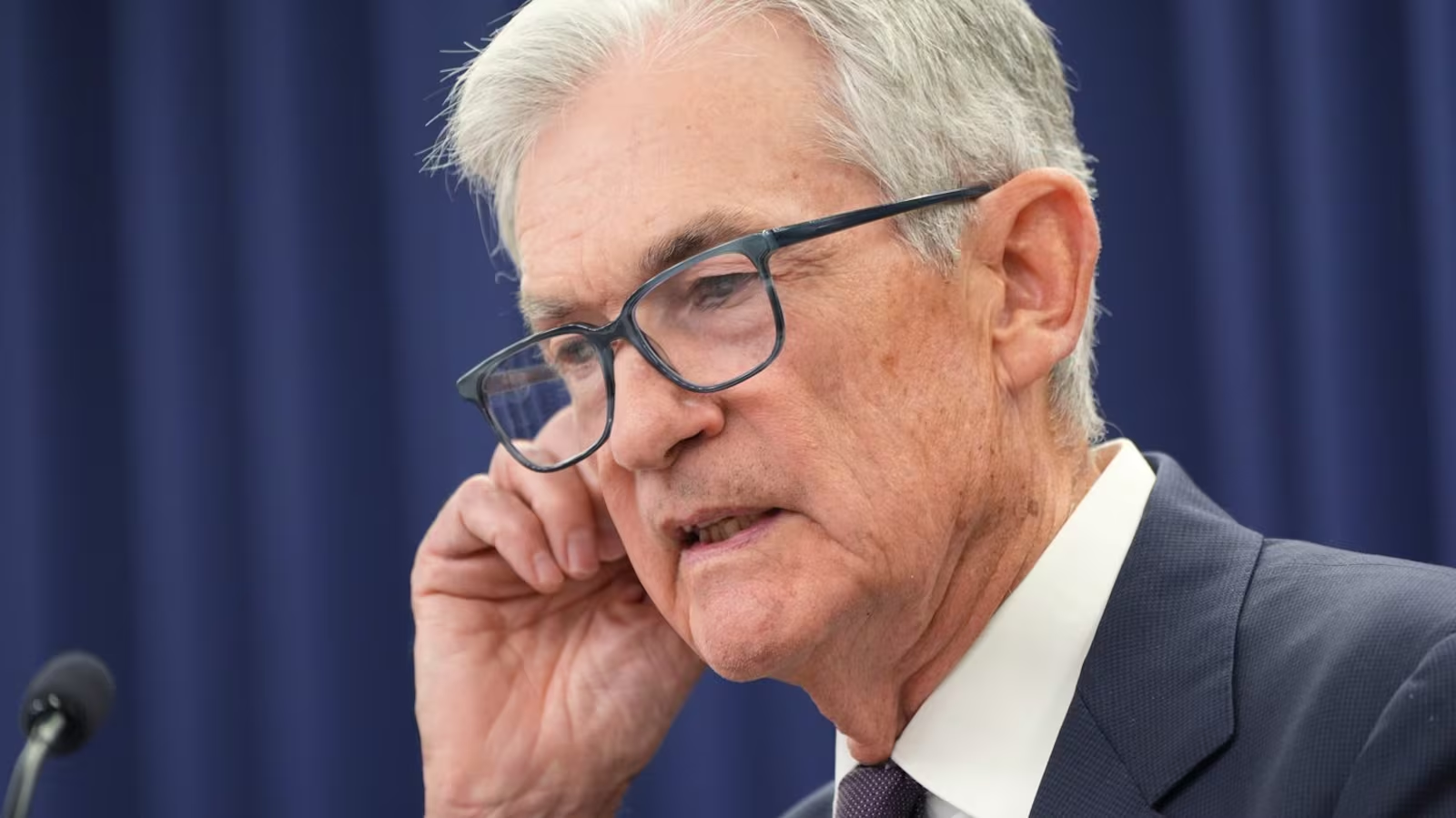
The Federal Reserve has been holding off on interest rate cuts this year as it tracks inflation trends. A surge in oil prices could complicate its plans, since higher fuel prices tend to raise the overall cost of living. However, Fed Governor Michelle Bowman hinted Monday that she might support a rate cut next month if inflation remains steady. Following her remarks, Treasury yields slipped—another sign of market optimism.
In corporate news, Tesla surged 8.2% after launching a test run of driverless taxis in Austin, Texas. CEO Elon Musk has long promised this milestone, and the news gave Tesla’s stock a much-needed jolt.
Meanwhile, Hims & Hers Health saw its shares plummet nearly 35% after Novo Nordisk pulled out of a partnership to sell its weight-loss drug Wegovy. Novo Nordisk’s U.S.-listed shares also fell 5.5%.
By day’s end, the S&P 500 gained 57.33 points to close at 6,025.17. The Dow finished at 42,581.78 after gaining 374.96 points. The Nasdaq rose 183.56 to 19,630.97.
Globally, market responses were mixed. European stocks dipped modestly, while Asia showed slight gains, with Hong Kong’s Hang Seng up 0.7%.