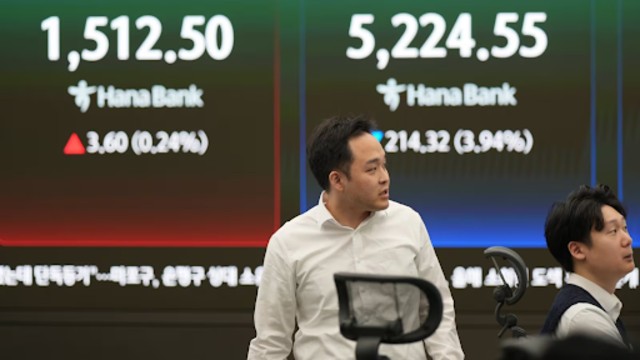
Traders are seen at the New York Stock Exchange during the morning session. Image Source: Michael M. Santiago—Getty Images via Fortune
Stock futures climbed on Sunday night after the U.S. Senate took a significant step toward passing President Donald Trump’s tax cut and spending package. Investors responded positively to the news, brushing off concerns over trade uncertainty as Trump hinted at reimposing tariffs once a current pause ends on July 9.
Futures for the Dow Jones Industrial Average surged 215 points (0.49%). The S&P 500 and Nasdaq futures also rose, gaining 0.25% and 0.34% respectively—both indexes had closed at record highs the previous Friday.
Despite the positive market tone, U.S. oil prices edged lower, with crude slipping 1.14% to $64.79 a barrel and Brent Crude dropping 0.84% to $67.10. The 10-year Treasury yield stayed steady at 4.279%. Meanwhile, the U.S. dollar dipped slightly against both the euro (0.04%) and yen (0.24%). Gold prices slipped 0.14%, settling at $3,283.10 an ounce.
Senate Pushes Ahead with Trump’s Tax Agenda
Trump’s long-promised tax reform package inched closer to reality after narrowly clearing a Senate procedural vote. While a final vote is still pending, this weekend’s progress increased optimism on Wall Street, which sees the bill as a potential economic catalyst.
Lawmakers are racing against time, as Trump has insisted on finalizing the legislation before the July 4 holiday. The bill still requires House approval before heading to Trump’s desk. Analysts believe these tax cuts could cushion the economy against the negative impact of the president’s trade policies.
Tariff Uncertainty Looms Again
At the same time, Trump threw cold water on hopes for extended tariff relief. In April, he had paused reciprocal tariffs for 90 days to allow for trade negotiations. That truce ends on July 9, and instead of extending it, Trump said he’s ready to send letters to foreign governments outlining the tariff rates they’ll now face.
In a Sunday interview, Trump dismissed the idea of a formal extension, saying, “I’m gonna send letters. That’s the end of the trade deal.” This abrupt stance contrasts with earlier signals from Treasury Secretary Scott Bessent, who had suggested the July 9 deadline was flexible and that new deals with major partners could be wrapped up by Labour Day.
On Friday, Trump also cut off trade discussions with Canada, citing their plan to introduce a digital tax on U.S. tech companies.
Key Economic Reports Ahead
Even as markets rally on the tax bill, this week will bring fresh data that could reflect the effects of trade friction.
- Tuesday: The Institute for Supply Management releases its manufacturing index, while the Labour Department shares job openings data.
- Wednesday: ADP publishes its private-sector payroll report.
- Thursday: The Labour Department issues both weekly jobless claims and its major monthly jobs report.
- Friday: Markets will be closed for the Independence Day holiday.
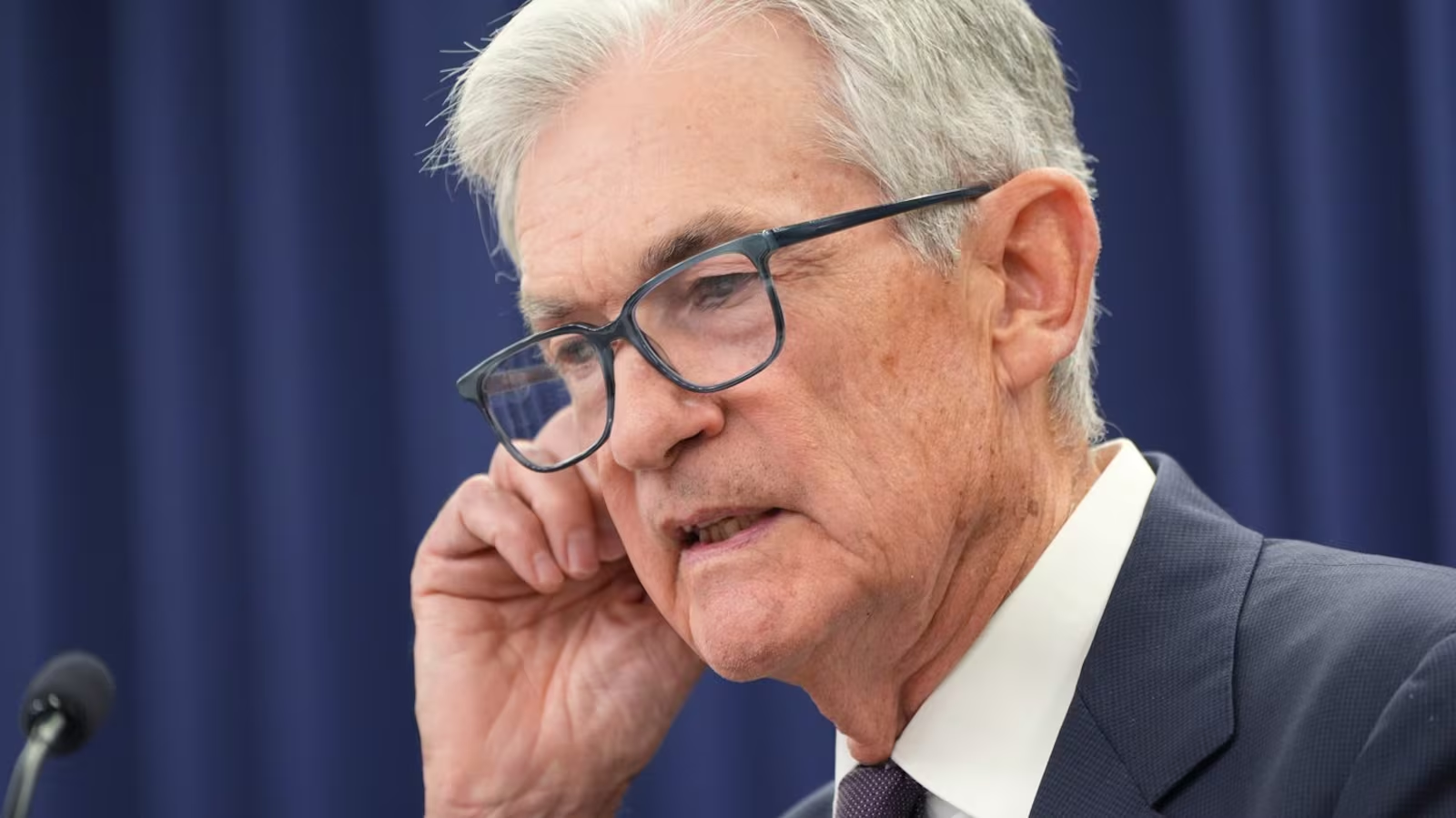
Additionally, Federal Reserve Chairman Jerome Powell will speak Tuesday at an event hosted by the European Central Bank in Portugal. This follows recent testimony before Congress and a press briefing after the last FOMC meeting, keeping investors alert for any shifts in Fed policy.