From left to right: Goldman Sachs CEO David Solomon, Citigroup CEO Jane Fraser, and JPMorgan Chase CEO Jamie Dimon. © Getty Images
America’s biggest banks are putting their cash to work. After clearing the Federal Reserve’s latest stress test with ease, several major financial institutions—including JPMorgan Chase, Bank of America, Wells Fargo, Goldman Sachs, Citigroup, and Morgan Stanley—have announced plans to raise dividends and buy back billions in stock.
This year’s stress test, an annual exercise by the Fed to check how banks would fare in a severe downturn, painted a slightly less grim picture than last year’s. The test scenario involved a global recession, soaring unemployment up to 10%, and a steep 33% drop in home prices. Still, all 22 banks passed, signalling healthy capital reserves and sound risk strategies.
Dividend Increases Across the Board
Following the positive results, JPMorgan Chase led the charge with a notable update: the bank will raise its quarterly dividend to $1.50 per share and kick off a massive $50 billion stock buyback program starting immediately.
Bank of America isn’t far behind, bumping its dividend to $0.28 per share. Wells Fargo is setting its new dividend at $0.45, while Morgan Stanley plans to pay shareholders $1.00 per share. Goldman Sachs and Citigroup are also rewarding investors, with increases to $4.00 and $0.60 per share, respectively.
These dividend hikes reflect the banks’ confidence in their financial strength and their desire to return more value to shareholders.
Share Buybacks Gain Momentum
Morgan Stanley is also reviving its share repurchase plan, approving a multiyear buyback program worth up to $20 billion—with no expiration date. JPMorgan’s $50 billion plan adds to the wave of repurchases expected in the coming months, as banks put excess capital to use.
Buybacks not only signal confidence but also help boost earnings per share, often leading to better stock performance over time.
Stress Test Debate Reignites
While the results pleased investors, they reignited debate over how the stress tests are designed. Wall Street executives have long criticized the test’s unpredictability, claiming that shifting parameters make it hard to plan for capital requirements. They also argue that regulators overlook major improvements banks have made since the 2008 financial crisis.
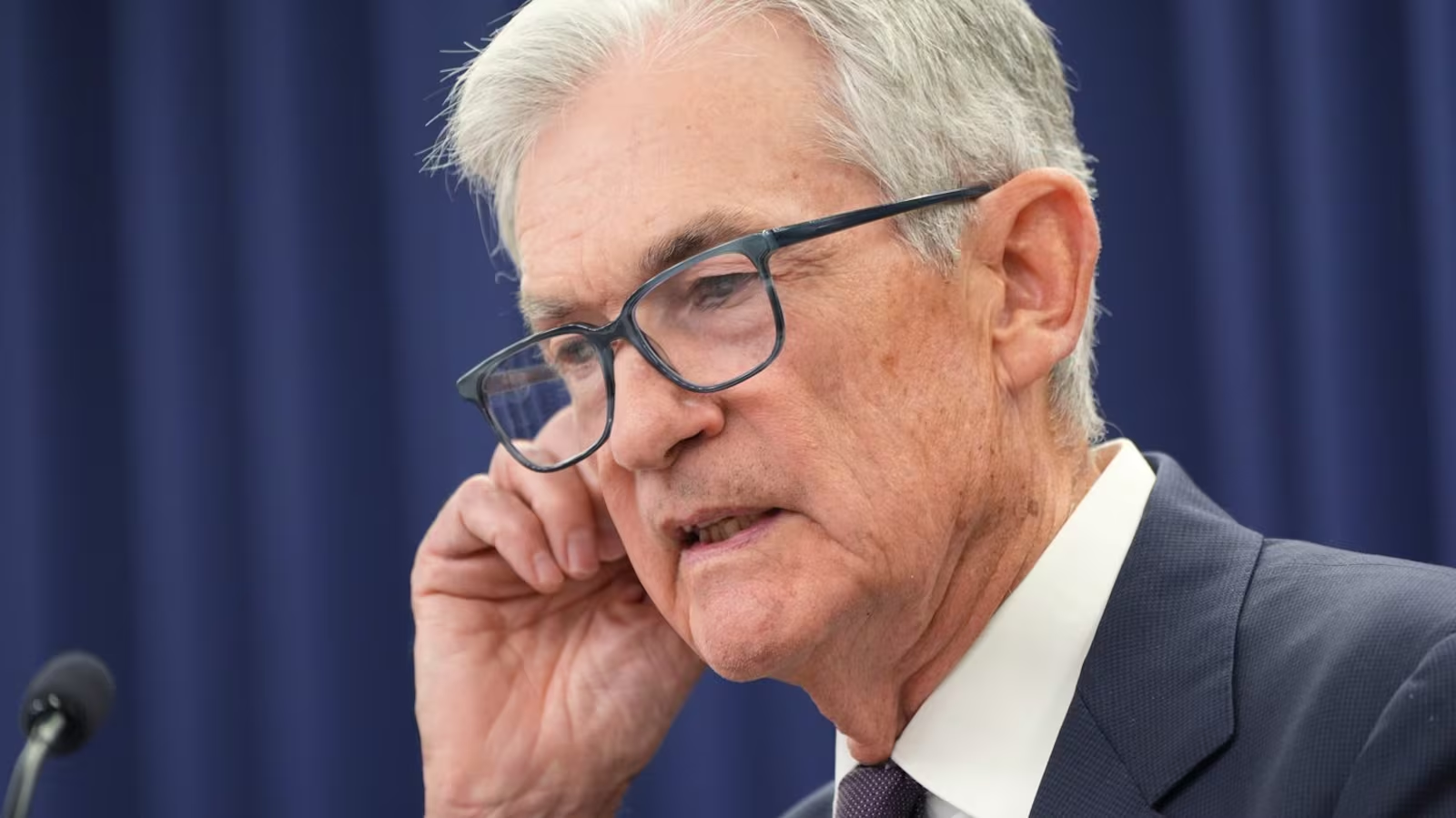
JPMorgan CEO Jamie Dimon recently called the test’s current form “dead wrong,” although he supports the idea of stress testing. Fed Chair Jerome Powell has defended the tests, calling them one of the most important tools developed after the crisis. In his view, the unpredictability is necessary to assess how banks would handle real, unforeseen shocks—not just familiar risks.
Still, some regulators and consumer advocates warn that making the tests too easy could encourage reckless behaviour. Michael Barr, former Fed vice chair, cautioned against repeating the same risk scenarios, arguing it would weaken banks’ risk management. His successor, Michelle Bowman, however, favours lighter regulatory pressure.
What Comes Next?
As talks continue about possible changes to the stress test process, Powell has emphasized the need for flexibility. “Banks need to be prepared for not just the expected risks, but also the unexpected,” he said in a past speech. The Fed’s goal remains clear: keep the tests relevant, tough, and realistic.