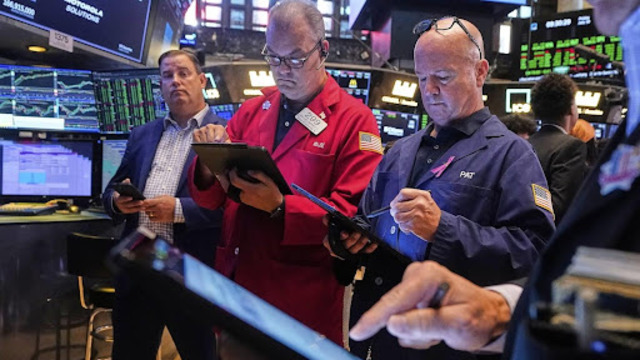
William Lawrence and Patrick Casey, seen standing together, focus on their tasks inside the New York Stock Exchange. (Photo: Richard Drew/AP)
Wall Street closed the week on a high note, with U.S. stock markets notching fresh records on Friday. The S&P 500 climbed 0.4%, setting a new all-time high for the fifth time this week. The Dow Jones Industrial Average rose by 208 points (0.5%), while the Nasdaq composite edged up 0.2%, marking yet another record for the tech-heavy index.
Deckers and Edwards Surge, Intel Drops
Retail and medical technology stocks added strength to the markets. Deckers, the company known for Ugg boots and Hoka running shoes, surged by 11.3% after posting better-than-expected revenue and profit for spring. Its international sales nearly doubled, reflecting strong global demand.
Meanwhile, Edwards Lifesciences gained 5.5% following strong quarterly earnings that beat analysts' forecasts. The medical device maker reported healthy performance across all product lines and updated its full-year profit outlook to the top of its previously forecasted range.
Not all was upbeat, though. Chipmaker Intel slid 8.5% after reporting a quarterly loss, disappointing investors who expected a profit. The company announced job cuts and cost-cutting measures to stabilize its finances. Once a leader in Silicon Valley’s tech boom, Intel has lagged behind newer players like Nvidia and AMD, especially as demand surges for AI-focused chips.
Indexes Finish the Week Strong
At Friday’s close, the S&P 500 stood at 6,388.64 after rising 25.29 points. The Dow Jones reached 44,901.92, and the Nasdaq finished at 21,108.32 after a 50.36-point gain. These record levels reflect Wall Street’s optimistic outlook—investors are banking on continued corporate growth and potential trade relief from the Trump administration.
Eyes on Corporate Earnings and Trade Deals
The markets are increasingly focused on company earnings. As stock prices soar, investors expect solid profit growth to match. Much of the recent rally is driven by hopes that President Donald Trump’s administration will finalize trade deals to soften or eliminate proposed tariffs. New agreements with Japan and the Philippines have already been announced, and another key deadline arrives on August 1.
Federal Reserve’s Next Move in Spotlight
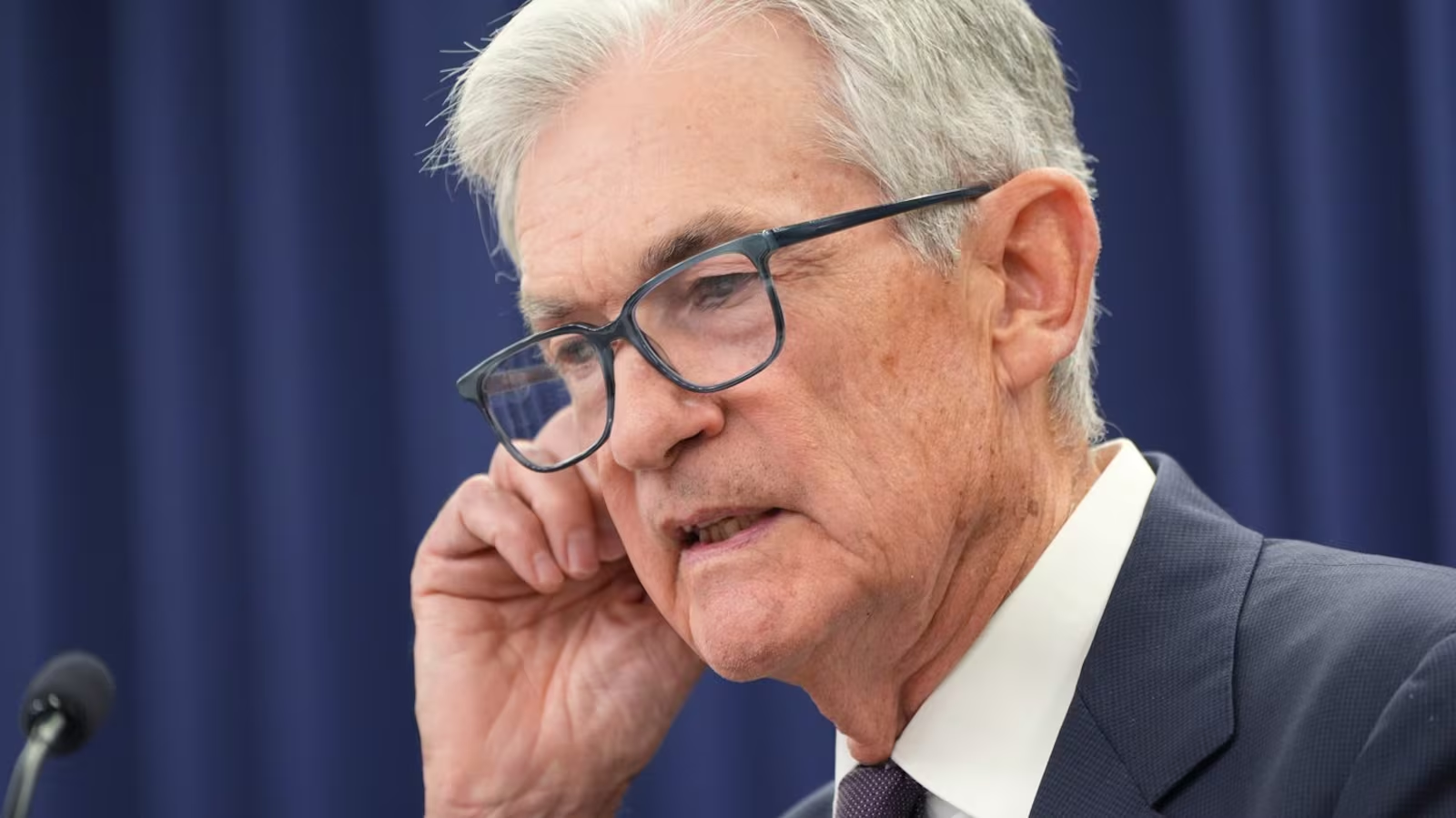
Next week, attention shifts to the Federal Reserve’s meeting on interest rates. Trump has once again pushed the Fed to cut rates, arguing it could reduce the government’s debt burden. However, Fed Chair Jerome Powell remains cautious. He insists the central bank needs more economic data—especially on how tariffs impact inflation—before deciding on another rate cut.
Lower interest rates are typically used to stimulate the economy, but they can also fuel inflation. Moreover, even if the Fed lowers short-term rates, long-term borrowing costs might not fall if investors fear inflation will rise.
For now, analysts expect the Fed to wait until September before making any changes.
Bond Yields Hold Steady
Following Trump’s latest remarks urging Powell to cut rates—but not fire him—Treasury yields remained relatively flat. The yield on the 10-year Treasury dipped slightly to 4.38% from 4.43%, while the 2-year yield stayed put at 3.91%.Global Markets Turn Cautious
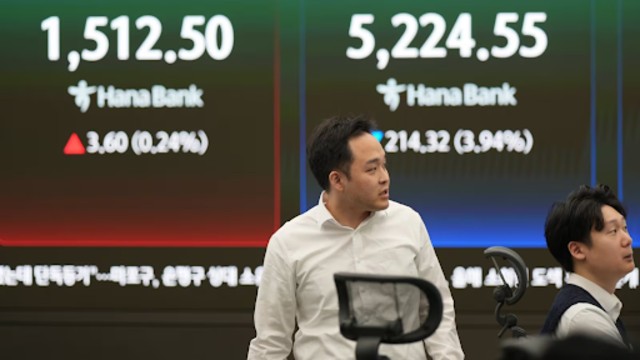
Markets in Asia and Europe dipped on Friday. Hong Kong’s Hang Seng Index fell 1.1%, while Shanghai’s benchmark dropped 0.3%. Meanwhile, U.S. Treasury Secretary Scott Bessent is expected to meet with Chinese officials in Sweden next week in hopes of advancing trade talks. Trump also hinted at an upcoming visit to China as relations begin to thaw ahead of an August 12 deadline.