Anthony Matesic is seen working at the New York Stock Exchange in New York in 2025. (Photo: AP/Seth Wenig)
U.S. President Donald Trump came into office promising a powerful economic comeback. He spoke of a booming economy, stronger factories, and a more balanced trade system. However, recent financial data paints a different picture—one filled with uncertainty, slow growth, and public concern.
In recent weeks, signs of trouble have been building. Job creation has dropped, inflation is rising, and the overall pace of economic growth is slowing. Despite Trump’s high-profile tax and tariff changes, many of the outcomes are yet to match his grand promises.
Six months into his new term, Trump has made sweeping changes—raising import tariffs, signing off on major tax revisions, and pushing through spending policies. These shifts have reshaped manufacturing, energy, and trade across the U.S. But so far, the promised economic revival hasn’t shown up. Instead, Trump seems eager to claim credit for positive developments and just as eager to assign blame when things go wrong.
One major sign of concern came with Friday’s employment report. The numbers were dismal: U.S. manufacturers lost 37,000 jobs since April. Overall, job growth has dropped significantly. In May, June, and July combined, there were 258,000 fewer new jobs than previously reported. Yet, Trump dismissed the report, fired the agency head responsible, and insisted the economy was "booming" in a post on his social platform, Truth Social.
Some experts say these troubling signs might just be temporary—the result of a rapid policy shift. Others fear it’s just the beginning of a larger economic downturn.
Trump's Economic Moves Come with High Political Stakes
Trump’s bold strategies—rising tariffs, changing tax codes, and spending cuts—are high-risk politically. His plans aim to help the middle class, but rising prices from import taxes may hurt ordinary Americans before the benefits show up. Many of these economic effects could peak during the 2026 election season—bad timing for Trump and his allies.
The White House has highlighted recent trade negotiations to show progress. Trump’s administration has secured deals with nations like Japan, South Korea, and the European Union, allowing the U.S. to raise tariffs on their goods without immediate retaliation. Still, countries that didn’t settle face steep import taxes, a cost often passed on to American buyers.
Republican strategist Kevin Madden stressed the importance of managing public perception. However, a recent Associated Press poll showed that only 38% of adults approve of Trump’s handling of the economy—a steep drop from the end of his first term.
Despite the data, the White House insists better times are ahead. Spokesman Kush Desai claimed the president is doubling down on pro-growth policies and deregulation. According to him, “the best is yet to come.”
Trouble Signs Continue to Surface
Recent reports offer a clearer view of the economic slowdown:
- Manufacturing losses: Factories are shrinking. Since the launch of Trump’s tariffs in April, 37,000 manufacturing jobs have vanished.
- Hiring slowdown: Job creation has sharply declined. July saw only 73,000 new jobs. In contrast, monthly job growth averaged 168,000 last year.
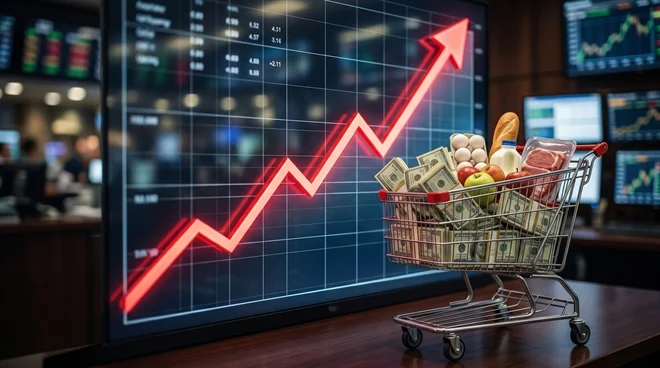
- Rising prices: Inflation rose to 2.6% by June, driven largely by higher costs for imported goods like appliances and furniture.
- Sluggish GDP: The economy grew at just 1.3% in the first half of the year—down from 2.8% last year.
Guy Berger of the Burning Glass Institute summarized it bluntly: “We’re adding very few jobs. Growth is slow. It just looks like a ‘meh’ economy.”
Fed Dispute Highlights Deeper Problems
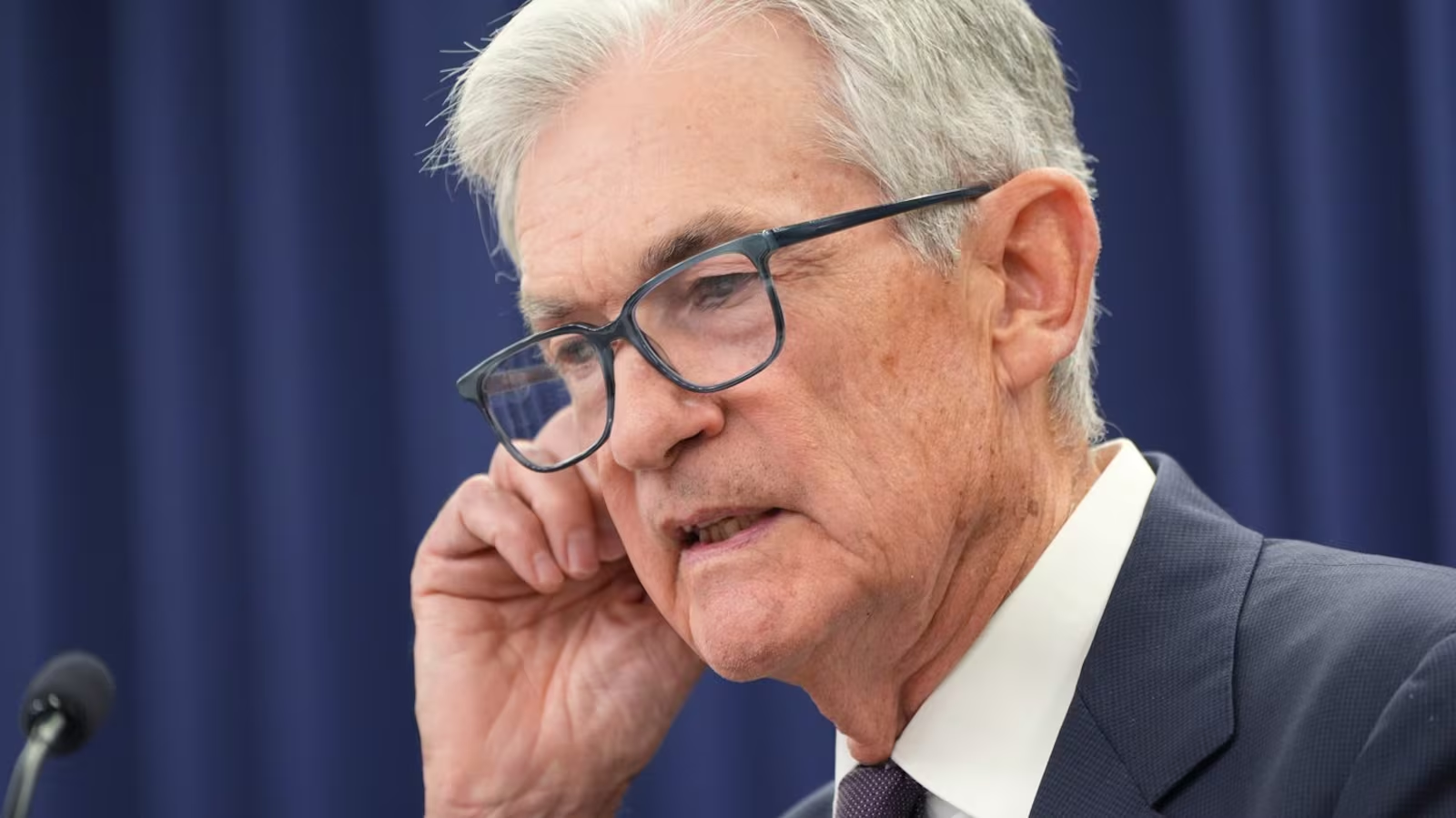
As economic anxiety grows, Trump is turning his attention toward the Federal Reserve. He’s criticized Chair Jerome Powell and pushed for lower interest rates—arguing that doing so would make mortgages cheaper and boost home sales.
Although two Fed governors voted for rate cuts, their reasons were linked to a weakening job market—not aligned with Trump’s goals. Lowering rates carries risks, such as pushing inflation even higher—something the economy may not be able to absorb.
Trump’s unpredictable approach to tariffs has also fueled confusion. In April, a sweeping import tax sparked a market slump. Since then, he’s shifted strategies multiple times, making it harder for economists to predict outcomes. While some in his administration argue these are “one-time” adjustments, the ripple effects may last longer than anticipated.
Warnings Ignored by Trump
Trump’s predecessor, Joe Biden, warned about the risks last December. Speaking at the Brookings Institution, Biden predicted that the cost of broad tariffs would eventually fall on American consumers and businesses—not foreign exporters. He called the approach “a major mistake.”
Trump dismissed the warning, opting instead to push forward with blanket tariffs across many sectors. Now, with signs of economic fatigue emerging, critics argue those decisions may be coming back to haunt him.