OpenAI unveils GPT-5, a breakthrough AI model redefining benchmarks in writing, coding, and real-time assistance.
OpenAI has officially launched GPT-5, its most powerful artificial intelligence model to date. The highly anticipated release follows nearly two years of speculation since the debut of GPT-4 in March 2023. The company’s latest move signals a renewed push in the increasingly competitive AI arms race.
A Launch Shrouded in Symbolism
A day before the announcement, OpenAI CEO Sam Altman posted an image of the Death Star rising ominously over a planet. It carried no caption, but the message was clear: something massive was coming. On Thursday, the company unveiled GPT-5, calling it a major advancement in its journey toward artificial general intelligence (AGI).
Altman: “It’s Like Talking to a Ph.D.”
During the livestreamed launch, Altman described GPT-5 as a tool that can act like an on-demand, Ph.D.-level expert in nearly any subject. He emphasized its enhanced abilities in writing, coding, problem-solving, and real-time assistance. According to Altman, around 700 million people now use ChatGPT weekly, making this the company’s most impactful product yet.
Rivals React as AI Race Intensifies
OpenAI’s rivals wasted no time. Anthropic, a key competitor, released its newest Claude model earlier this week. Google is also pushing forward with its Gemini platform. Meanwhile, Microsoft, a longstanding OpenAI partner, announced plans to integrate GPT-5 into its Copilot assistant.
This wave of new models shows how tech giants are sprinting to outpace each other in the AI race. OpenAI's position at the forefront has never been more critical, especially with commercial and public sector adoption accelerating rapidly.
What’s New in GPT-5?
GPT-5 builds on the foundation of GPT-4 but introduces significant changes in both performance and design. Experts report modest but meaningful improvements across standard benchmarks. However, GPT-5 isn’t just about performance upgrades. It’s a reset of OpenAI’s core technology—one that could unlock new possibilities in future versions.
At the launch, developers highlighted major gains in coding support, referencing collaborations with companies like Cursor. They also stressed the improved safety features, which aim to reduce deceptive or harmful outputs. This follows recent criticism over GPT’s vulnerability to cleverly worded prompts, as reported in studies involving harmful content.
The High Stakes of Innovation
GPT-5’s release comes at a time when OpenAI is under growing pressure—both financially and structurally. The company, now valued at $300 billion, is attempting to evolve from its nonprofit origins. In recent months, it announced a shift to a public benefit corporation model, balancing business goals with its mission to build safe AGI.
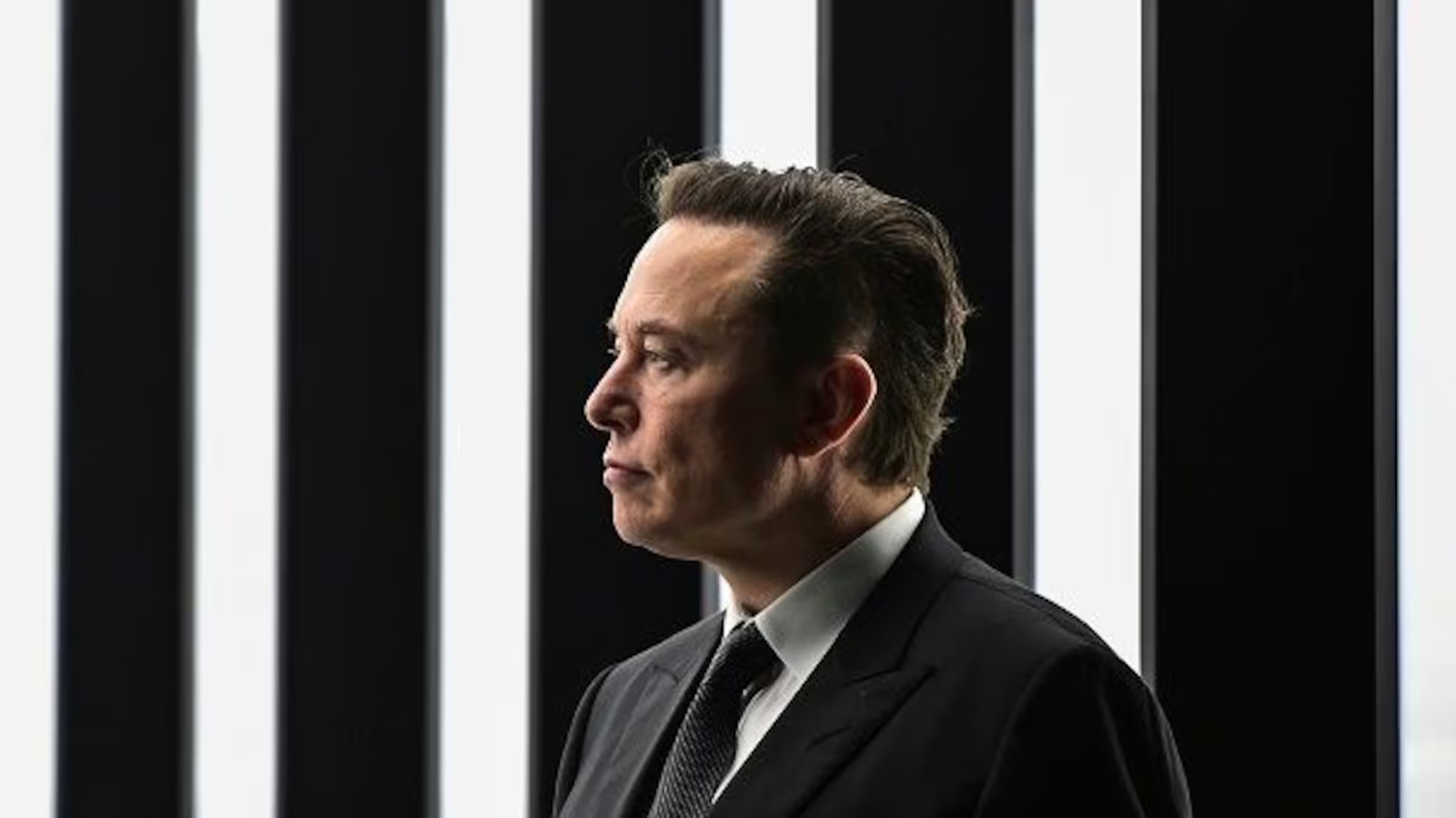
Yet, challenges remain. The company has not yet turned a profit and continues to face scrutiny from regulators. Investigations in California and Delaware, as well as a lawsuit from Elon Musk—one of OpenAI’s original co-founders—underscore the complications of its hybrid corporate structure.
Resetting the AI Benchmark with GPT5
According to experts like Cornell University’s John Thickstun, GPT-5 may not be the finish line for AI, but it represents real progress. “There’s still a lot of room for improvement,” he noted, “not just in refining existing gains but in pushing new frontiers.”
OpenAI’s influence extends far beyond Silicon Valley. The company is now a strategic partner for federal agencies and a daily tool for Fortune 500 businesses. With GPT-5, it reaffirms its dominance in an industry where competitive advantage is fleeting.
Looking Ahead
As AI adoption grows, so do the expectations. JPMorgan Chase, in a recent report, warned that no single player may maintain a long-term lead. Instead, competition could shift toward pricing and accessibility.
OpenAI’s release of GPT-5 marks a defining moment—not just for the company, but for the AI industry as a whole. Whether it truly rewrites the rules of artificial intelligence or simply raises the bar remains to be seen. But one thing is clear: the race just restarted.