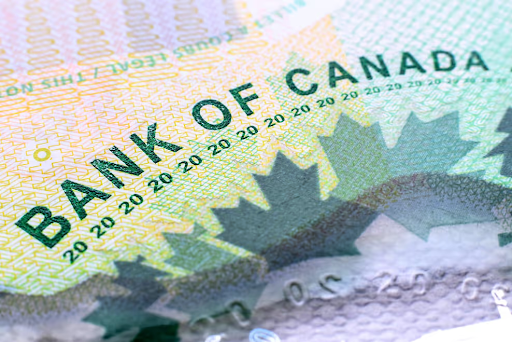
Calgary-based Tetra Digital Group raised $10M to launch Canadian stablecoin. Image: Reuters
A Calgary-based finance company is putting Canada on the map in the world of digital currency. Tetra Digital recently raised $10 million to launch a Canadian stablecoin next year. Major investors include Shopify, Wealthsimple, and National Bank.
Stablecoins are digital currencies tied to real-world assets, usually a country’s currency or commodities like gold. One token equals one Canadian dollar, letting users exchange it anywhere without fees.
“There are many U.S. stablecoins already,” said Didier Lavallee, Tetra Digital’s CEO. “We want to give Canadians a local option for both businesses and individuals.”
Why Canadians Could Adopt Stablecoins
Supporters say stablecoins could make online payments, global transfers, and digital trading faster and safer. Unlike traditional cryptocurrencies, they avoid extreme price swings. Transactions run on blockchain networks, bypassing banks entirely.
The technology is quick, but experts warn of potential risks. Without the security systems banks use, stablecoins could be vulnerable to fraud or misuse.
The Call for Regulation
Advocates are urging Ottawa to create clear rules, so Canada doesn’t fall behind. This summer, the U.S. passed the GENIUS Act, allowing companies like Walmart to issue dollar-backed stablecoins. Experts say this legitimized the digital currency and prompted other countries to consider their own regulations.
China is watching closely, worried that U.S.-denominated stablecoins could strengthen the dollar’s global role. Lavallee and other Canadian proponents argue that a domestic stablecoin protects economic sovereignty.
“When Canadians use U.S.-denominated stablecoins, we are essentially supporting the U.S. economy,” Lavallee explained. “A Canadian stablecoin keeps transactions local.”
Stablecoins and Central Bank Digital Currencies
Stablecoins differ from central bank digital currencies, which are government-issued. The Bank of Canada dropped its digital loonie plan last year but continues studying digital assets. Many authorities currently classify stablecoins as securities, though the industry prefers them regulated as e-tokens, like in the U.S. and EU.
Treating stablecoins as securities could impose stock-market-style rules. Alternative frameworks focus on ensuring coins are fully backed by real money.
Industry Support and Benefits
Coinbase, a cryptocurrency platform investing in Tetra, is advocating for updated regulations. Lucas Matheson, CEO of Coinbase Canada, said a Canadian stablecoin could simplify payments, cross-border transfers, and currency exchange.
Foreign investors might also find Canadian-dollar-backed coins easier to use and safer to hold.
Skepticism Remains
Despite excitement, concerns persist. Brent Arnold, a Canadian cybersecurity lawyer, says, “You must prove the assets are liquid, stable, and sufficient. Otherwise, the token could collapse.”
Legal uncertainties across countries create further friction for investors and businesses. Still, with respected backers like Wealthsimple, National Bank, and Shopify, demand may justify the project.
Wealthsimple’s legal officer called Tetra’s launch a “defining moment for Canada’s digital economy,” while National Bank’s venture division highlighted safeguards for Canadians and businesses.
Yet Arnold remains cautious. “I’m skeptical about how much demand truly exists,” he said. “It could be a solution in search of a problem.”