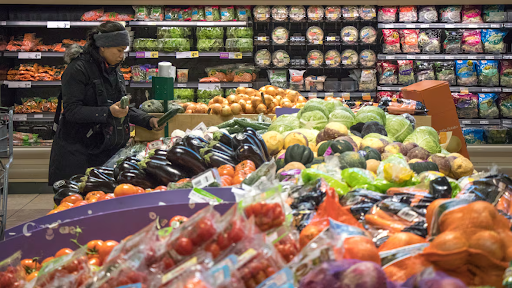
Nearly half of the people surveyed said they adjusted how they shop for groceries by looking for more sales and discounts as food prices continue to rise. CBC
A new national survey shows that rising food prices continue to shape how Canadians buy, cook and eat their meals. The latest Canadian Food Sentiment Index, produced by a university research team in partnership with an online data group, found that food remains the biggest financial concern for most households. More than four in five people said food costs pressure their budgets more than any other daily expense.
While this number dropped slightly from last year, food still outranked utilities, housing, transportation and entertainment. Many Canadians said they feel the squeeze every time they visit a grocery store or plan a weekly shopping list.
Canadians Feel the Impact of Higher Prices
Almost half of respondents said their food costs rose “significantly” over the past year. Another third reported smaller increases, while about 12 per cent said their costs stayed the same. A growing share now spends more than $600 a month on groceries at home. Nearly half spend between $300 and $600 each month.
These cost increases reflect the ongoing rise in grocery prices. National data for October showed grocery prices rising 3.4 per cent from one year earlier. That growth slowed slightly from September, but it still moved faster than the overall inflation rate. Higher prices for fresh and frozen chicken kept food costs elevated, even as some vegetables and processed foods became slightly cheaper.
Grocery Shopping Habits Take a New Shape
Many Canadians now change how they shop to save money. Nearly half said they look for sales more often or pay closer attention to discounts. Others use more coupons, compare prices online or shop at cheaper grocery chains. People also buy fewer treats, choose lower-priced brands and reduce purchases of costly foods such as meat and fresh fruit.
One report author said shoppers now view every purchase through the lens of affordability. “People are making trade-offs every single day — switching brands, reducing variety, cooking more at home, or delaying purchases altogether,” said Stacey Taylor.
Restaurant Spending Slows Down
Higher food costs have also changed how Canadians dine out. Nearly one-third of respondents spent less than $50 a month on restaurant meals, while almost a quarter spent between $51 and $100. Many people appear to cut back on takeout and sit-down meals to free up money for groceries at home.
Growing Distrust Toward Major Grocers
The survey also revealed growing frustration toward major grocery retailers. Many respondents said they feel uncertain about how prices are set. They also want clearer explanations from food companies and retailers. Researchers noted a rising sense of fatigue among consumers who now feel worn down by years of steady price increases.
At the same time, support for Canadian-grown and Canadian-made food is rising. The lead author of the study, Sylvain Charlebois, said people want more control over how they feed their families. “Many households see buying local as a way to regain control — supporting farmers, supporting domestic processors and helping strengthen Canada's food sovereignty,” he said.A Shift That Shapes Daily Life
The findings show that Canadians continue to adapt as food prices remain high. More people embrace home cooking, choose simpler meals and focus on value. Rising grocery bills now influence daily decisions for families across the country. While the pressure remains strong, many households continue to adjust their habits with creativity and caution.