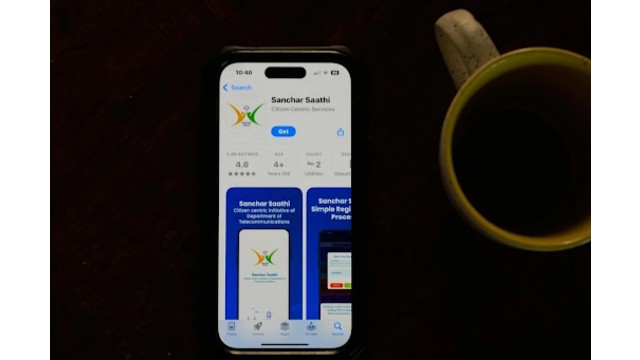
India's telecoms ministry has privately asked smartphone makers to preload all new devices with a state-owned cyber security app that cannot be deleted. Dec. 02, 2025. (AP Photo)
India has taken a bold step to strengthen cybersecurity, issuing a directive for all smartphone manufacturers to pre-install a government-run app on every new device. The Ministry of Communications announced that the “Sanchar Saathi” app must come pre-loaded on smartphones within 90 days. Users will also be prevented from removing it.
The move aims to combat cyber fraud and strengthen telecom security across the nation’s vast smartphone user base. India is home to around 1.2 billion mobile users, making this one of the largest app mandates in the world.
Government Pushes for Cybersecurity Control
According to the ministry, the Sanchar Saathi app helps users track and block lost or stolen phones, identify fraudulent connections, and ensure safer telecom usage. Since its launch in January, over five million downloads have been recorded, and the app has reportedly aided in recovering more than 700,000 lost devices.
The ministry emphasizes that the app is “essential for curbing misuse of telecom resources and ensuring cyber security,” citing its growing relevance as digital fraud cases rise nationwide. Older phones will also be required to receive the app through software updates, extending the mandate beyond new devices.
Privacy Concerns Take Center Stage
While the government highlights security benefits, critics warn of privacy erosion and forced compliance. Digital policy expert Nikhil Pahwa described the mandate as a test by authorities to gauge public acceptance.
“This is the beginning. Once a government app is forcibly pre-installed, what stops future apps from expanding into surveillance?” Pahwa said.
The expert pointed out that phones are private spaces for individuals, and users traditionally have the choice of what to install. The new order removes that autonomy, potentially opening doors to broader device monitoring.
Tech Companies May Push Back
The directive is expected to face resistance from global smartphone makers, including Apple. The U.S.-based company has strict internal policies against preloading third-party apps, even those developed by governments.
Other manufacturers may also express concerns over compliance, user backlash, and the potential impact on consumer trust.
Global Trends in Government-Controlled Apps
India is not alone in enforcing such measures. Russia recently mandated the pre-installation of the MAX messaging service, prompting similar privacy debates. Critics allege that MAX functions as a surveillance tool, openly stating that it will provide user data to authorities when requested.
Experts warn that these trends highlight a growing tension between digital security and personal privacy. Governments argue that pre-installed apps can protect citizens, but privacy advocates see them as an intrusion into individual freedoms.
What It Means for Users
For Indian smartphone users, this order signals a major shift. Devices may no longer be entirely personal, and the scope of government influence over mobile apps could expand. While Sanchar Saathi has tangible benefits in preventing fraud and recovering lost devices, its mandatory installation raises questions about consent and digital privacy.
As the 90-day implementation window approaches, all eyes will be on smartphone manufacturers and privacy watchdogs. The debate between cybersecurity needs and personal freedom is likely to intensify, reflecting a global challenge in the digital age.