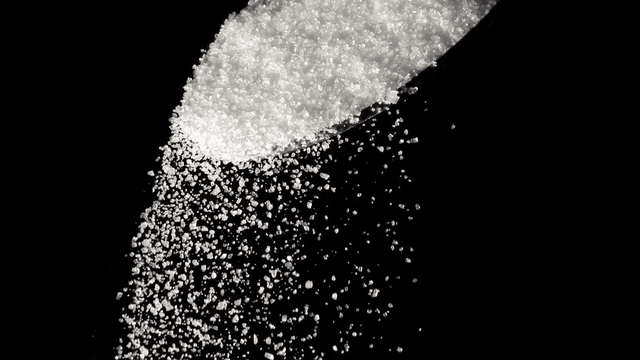
This image shows white sugar pouring from a spoon during a photo taken in Philadelphia on Sept. 12, 2016. AP Photo
Shoppers often feel confident when they skip frosted pastries and reach for foods labelled “all natural,” “organic,” or “high protein.” Granola, plant-based milk, low-fat yogurt, and bottled smoothies often appear to be smarter choices. Yet experts warn that many of these products can carry surprising amounts of added sugar.
Health-focused language on packaging can give a false sense of security, said Nicole Avena, a professor who studies nutrition and brain health. She explained that companies often use appealing words to draw attention away from what really matters on the label.
“A lot of the bigger brands don’t worry so much about people’s health,” Avena said, noting that shoppers need to look beyond front-of-package claims.
Why Added Sugar Matters
Too much sugar links closely to heart disease, weight gain, and diabetes. Health experts say many people eat far more sugar than they realize because it hides in everyday foods.
On average, people consume large amounts of added sugar each day, much of it from drinks. However, sugar also appears in cereals, breads, sauces, dairy products, and even foods that seem savoury. Whole-grain bread, prepared sandwiches, and flavoured yogurts can all contain unexpected sweetness.
Reading the Label Carefully
Nutrition labels now list added sugars separately, which helps shoppers see how much sugar manufacturers include. Still, Avena said companies have found ways around this rule.
Instead of using common sweeteners like refined sugar or corn syrup, many brands now rely on alternatives such as monk fruit or sugar alcohols. These ingredients do not count as “added sugars” under current rules, even though they keep foods very sweet.
“Now our foods are even more sweet than they were back in 2020,” Avena said.
How Much Sugar Is Too Much?
Dietitian Collin Popp said guidelines allow some added sugar in a balanced diet, but limits matter. Health advice suggests keeping added sugar below 10 per cent of daily calories.
“That might be too flexible,” Popp said. “I would actually like to see that be less than 5 per cent, and closer to zero for some, if they have diabetes or prediabetes.”
He added that people should stay alert even when buying foods marketed as healthy. Roasted nuts, plant-based milks, English muffins, and flavoured Greek yogurt often contain more sugar than expected.
Taking Back Control
Popp encouraged shoppers to manage sugar intake themselves. Buying plain yogurt and adding fruit, or choosing unsweetened milk alternatives, can reduce hidden sugars. Making small changes at home or when ordering drinks can make a real difference.
Artificial sweeteners may cut calories, but Avena said they still train the brain to crave sweetness. Research shows that sweet flavours, not sugar itself, activate reward centres in the brain.
“Don’t let the food companies decide how much sugar you’re eating,” Avena said.
A Smarter Way to Shop
Experts agree that awareness remains the best tool. Checking labels, choosing less sweet options, and limiting reliance on packaged foods can help people protect their health.
Healthy eating starts with informed choices, not just attractive words on a box.