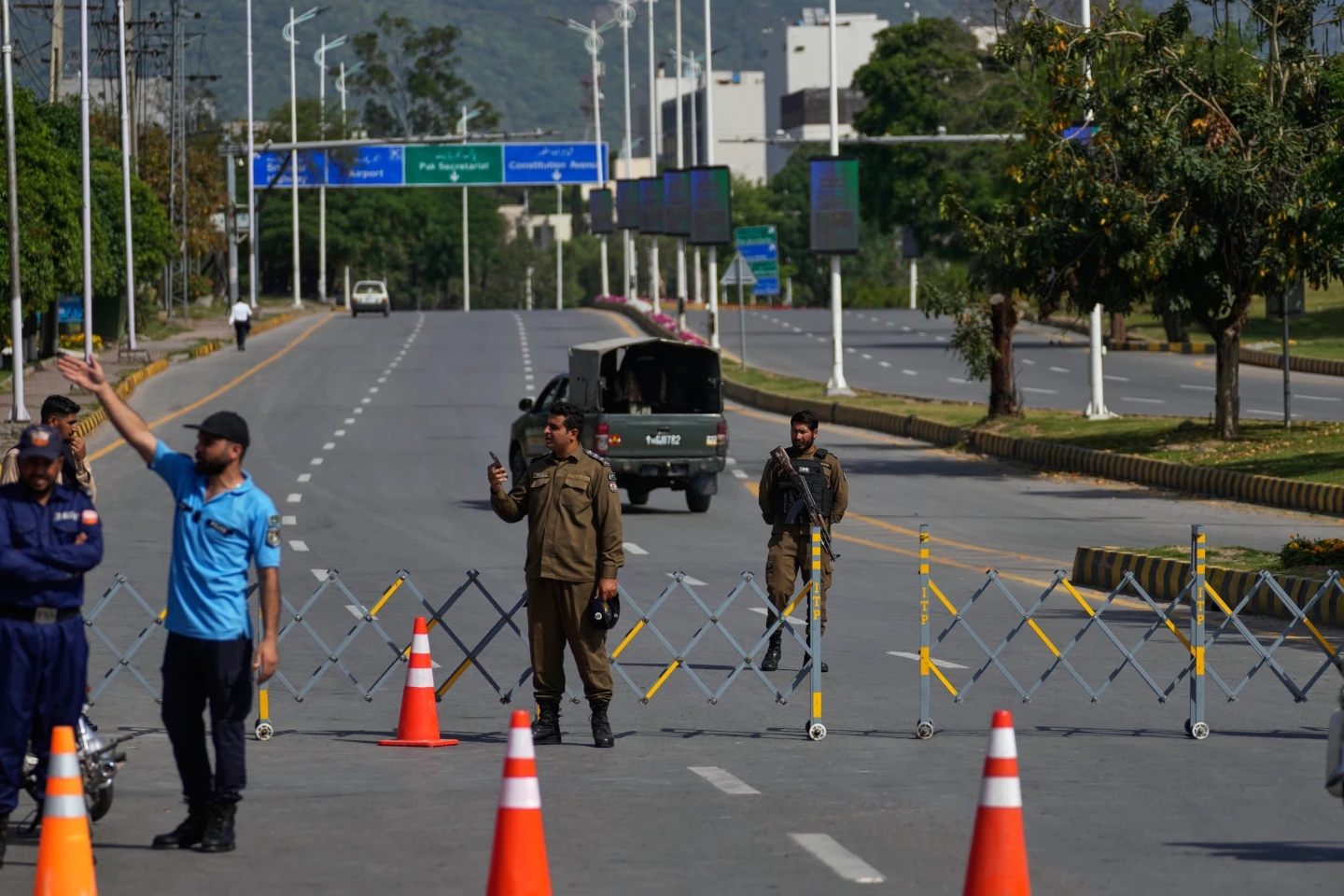
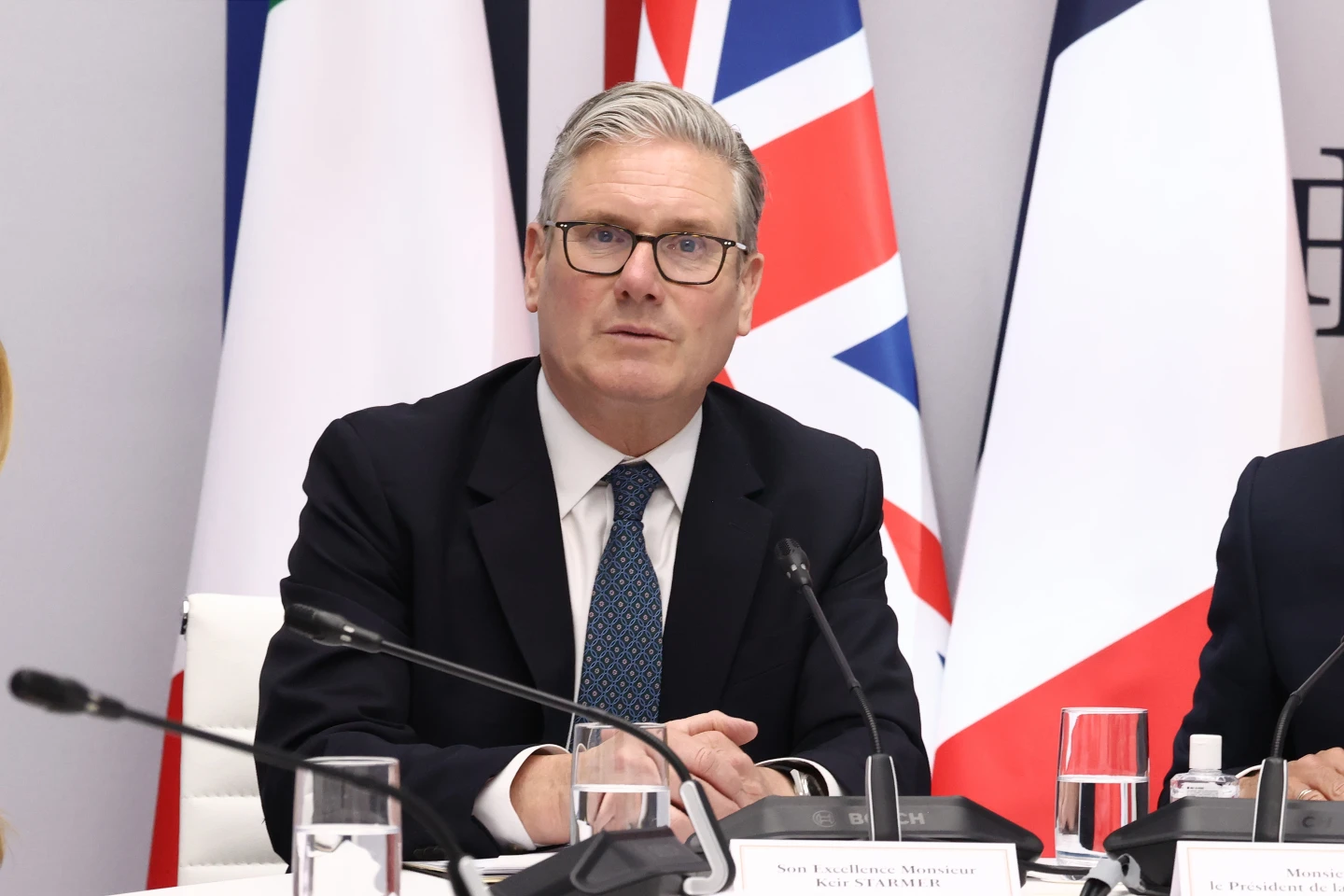
An army soldier, left, walks as police officer drives motorcycle on an empty road ahead of second round of negotiations between the U.S. and Iran, in Islamabad, Pakistan, Monday, April 20, 2026.
President Donald Trump delivered conflicting messages on the future of the Trump Iran war strategy, blending warnings of renewed violence with claims that diplomacy could still succeed. As a 14-day ceasefire approaches its Wednesday expiration, uncertainty continues to surround whether negotiations or escalation will define the next phase of the conflict.
Speaking through interviews and social media posts on Monday, Trump said he was not in a hurry to end the war. At the same time, he expressed confidence that fresh talks with Iran could soon take place in Islamabad, Pakistan.
His remarks came as tensions in the Gulf rose again and both sides traded accusations of violating the ceasefire.
Trump Iran War Talks Face Resistance From Tehran
The White House still appears ready to send a negotiating team led by Vice President JD Vance for another round of discussions. However, Iran signaled it would not return to talks unless Washington softens its demands.
Iranian parliament speaker Mohammed Bagher Qalibaf said Tehran would not negotiate under threats and rejected what he described as calls for surrender. He added that Iran was prepared to reveal new options on the battlefield if pressure continued.
Iranian Foreign Minister Abbas Araghchi also criticized recent U.S. military actions, saying they were incompatible with diplomatic claims.
These statements suggest that while dialogue remains possible, the political distance between both governments is still substantial.
Strait of Hormuz Tensions Raise Global Stakes
The fragile ceasefire was further tested after the U.S. Navy seized a vessel it said was attempting to bypass the blockade on Iranian ports. In response, Iran fired at ships and again disrupted movement through the Strait of Hormuz.
The strategic waterway handles roughly one-fifth of the world’s oil trade, making any instability there a major global concern. Since the war began, shipping disruptions have fueled fears of supply shortages and prolonged energy pressure.
Trump has insisted the blockade will remain in place until Iran accepts a broader agreement.
Trump Responds to Critics and Market Concerns
At home, Trump pushed back against critics urging a quick settlement. He argued that the United States currently holds a strong negotiating position and should not rush into concessions.
At the same time, the president sought to calm nervous investors after modest declines in U.S. markets. Rising oil prices and uncertainty over the Gulf situation have unsettled traders in recent days.
Trump also disagreed publicly with Energy Secretary Chris Wright, who suggested fuel prices may stay elevated for months. Trump said prices would fall sharply if the conflict ended and Iran met U.S. expectations.
Regional Diplomacy Continues Beyond Iran
While the Trump Iran war remains the main focus, diplomatic efforts elsewhere in the region are also moving forward. Officials from Israel, Lebanon, and the United States said talks between Israel and Lebanon are expected to resume in Washington later this week.
The discussions follow a recent ceasefire in Lebanon after deadly clashes involving Hezbollah and Israeli forces. Although violence has slowed, both sides have reported new incidents since the truce began.
Rising Casualties and Uncertain Outlook
Iranian officials said more than 3,000 people have been killed since the war began, including hundreds of children. Additional deaths have been reported in Israel, Lebanon, Gulf Arab states, and among U.S. service members in the region.
Meanwhile, Brent crude oil climbed above $95 a barrel, up sharply from pre-war levels.
With the ceasefire deadline now close, the next moves by Washington and Tehran could determine whether diplomacy regains momentum or the Trump Iran war enters a more dangerous stage.