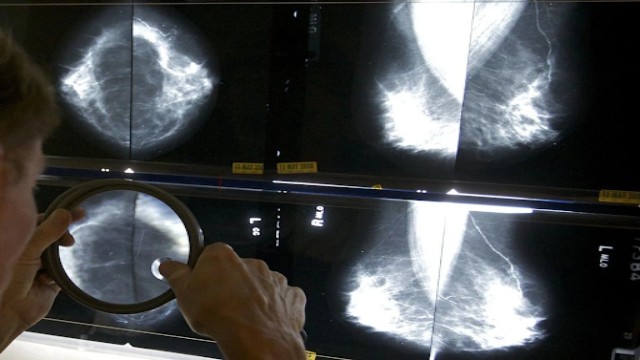
A radiologist uses a magnifying glass to check mammograms for breast cancer in Los Angeles, May 6, 2010. (AP Photo)
A new report reveals that delays in cancer screenings during the early days of the COVID-19 pandemic may not have significantly affected cancer outcomes in the United States.
Cancer Screening Returned to Normal Quickly
In 2020, routine cancer screenings like mammograms, colonoscopies, and lung scans were widely postponed. Hospitals were overwhelmed, and many Americans stayed home. That year saw a noticeable dip in cancer diagnoses.
But by 2021, the numbers bounced back. New cancer cases returned to pre-pandemic levels, and the percentage of cancers caught at advanced stages also declined back to normal. The worst fears of doctors and researchers — a surge in late-stage cancers — did not materialize in most cases.
Reassuring Findings from Experts
Recinda Sherman, the study’s lead author, called the findings “very reassuring.” Sherman, who works with the North American Association of Central Cancer Registries, emphasized that the feared wave of late-stage diagnoses has not been observed so far.
According to Sherman, “It’s really unlikely that people with aggressive disease were not diagnosed during that time period.”
Drop in Cancer Cases Linked to Behavior, Not Policy
The number of cancer diagnoses dropped in 2020 across all states, regardless of how strict COVID-19 policies were. Researchers believe personal behavior and hospital access played a larger role than government restrictions.
People stayed away from hospitals, either out of fear or due to local health system limitations. But when services resumed, patients returned, and cancer screenings caught up.
Some Exceptions, but No Major Surprises
While most cancer types showed no long-term shifts, there were small increases in late-stage cervical and prostate cancer cases in 2021. However, these changes weren’t large enough to raise alarms.
The report’s data ends in 2021. Experts say it’s too early for final conclusions, but the initial trends are encouraging.
Death Rates Still Declining
Perhaps the most promising takeaway: cancer death rates continue to fall. Despite the disruptions of 2020, overall progress in cancer treatment and early detection seems to be holding steady.
The research comes from a collaborative effort between the North American Association of Central Cancer Registries, the National Cancer Institute, the CDC, and the American Cancer Society.
Looking Ahead with Cautious Optimism
While more data is needed in the coming years, the outlook remains positive. The study suggests that the U.S. healthcare system adapted quickly enough to prevent long-term harm from pandemic-related delays.
For now, experts encourage people to stay up to date with screenings — especially for cancers that benefit most from early detection.