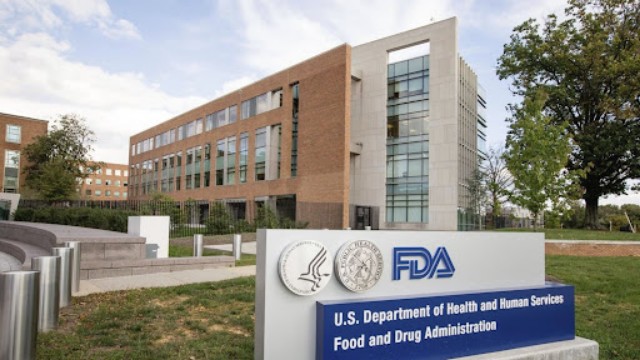
The U.S. Food and Drug Administration building in Silver Spring, Maryland, was captured in this photo taken on October 14, 2015. (AP Photo/Andrew Harnik, File)
The Trump administration announced a big change on Tuesday about who can get seasonal COVID-19 vaccines. The new rule limits vaccine approval mainly to seniors and people with health risks, meaning many others might not be able to get a shot this fall until more research is done.
FDA leaders shared a fresh plan that continues to allow quick access to COVID shots for adults 65 and older, as well as children and younger adults with certain health problems. However, for healthier people, drug makers must now conduct long, large studies before their updated vaccines get approved. This breaks from the earlier policy where everyone six months and older was encouraged to get an annual COVID shot.
According to Dr. Vinay Prasad, the FDA’s top vaccine official, this new plan is a “reasonable compromise.” It keeps protection going for those at highest risk while gathering more information on whether healthy people still need boosters. He pointed out that no one really knows if healthy Americans need their seventh, eighth, or even later boosters.
There is some confusion over what this means for healthy people who want a vaccine this fall but don’t fall into the high-risk groups. Dr. Paul Offit, a vaccine expert, asked whether pharmacists will decide who qualifies, warning that vaccines could become harder to get and less covered by insurance.
The American Academy of Pediatrics expressed concern that this policy might limit vaccine options for kids and their families, especially those already struggling with healthcare access. Dr. Sean O’Leary said if vaccines aren’t available or covered by insurance, many families could lose their choice to protect their children from COVID-19.
Last year, over 47,000 Americans died from COVID-related causes. Children’s deaths related to COVID were close to yearly flu deaths, showing the virus still poses a serious risk to all ages.
This new FDA policy follows a series of moves led by Health Secretary Robert F. Kennedy Jr., who has questioned broad vaccine use and pushed for more limits. It also comes just before the first meeting of outside vaccine experts appointed by Trump to review vaccine guidance.
Recently, the FDA gave full approval to Novavax’s COVID-19 vaccine, but with tight restrictions on who can receive it. The new rules announced on Tuesday are very similar. Trump appointees reportedly overrode FDA scientists who wanted fewer limits on the vaccine’s approval.
Pfizer and Moderna, which produce most COVID vaccines, said they will keep working with the FDA under the new rules.
Before this, U.S. health officials advised most Americans to expect yearly COVID shots, like flu vaccines. The FDA’s old approach approved updated vaccines as long as they provided equal immune protection to the previous ones.
Now, with the new guidance, that’s changing. Dr. Prasad and FDA Commissioner Marty Makary, who co-wrote the policy, criticized the old “one-size-fits-all” model. They pointed to some European countries that recommend boosters only for certain ages or risk groups.
Under the new rules, companies must run clinical trials in healthy adults aged 50 to 64. These studies will compare vaccinated people with those getting a placebo to see if the vaccines prevent serious illness, hospital stays, or death. If the virus changes significantly, companies might have to repeat these trials for new vaccines. Still, manufacturers can choose to test vaccines for younger groups or children if they want.
Since February, Health Secretary Kennedy has filled federal health agencies with critics of the previous COVID vaccine policies. The new guidance was published unusually fast in a medical journal, skipping the usual public comment steps, which some experts find concerning.
Experts acknowledge there are valid questions about whether everyone needs yearly COVID shots. The CDC’s vaccine advisory panel is set to discuss these questions in June. Some worry the FDA’s announcement is stepping ahead of this group.
Dr. Offit noted that CDC studies show boosters help protect healthy people from mild to moderate COVID for four to six months. So, debate continues on who should get vaccinated each year.