Tested Positive for Alcohol After Eating a Madeleine en.king of geek
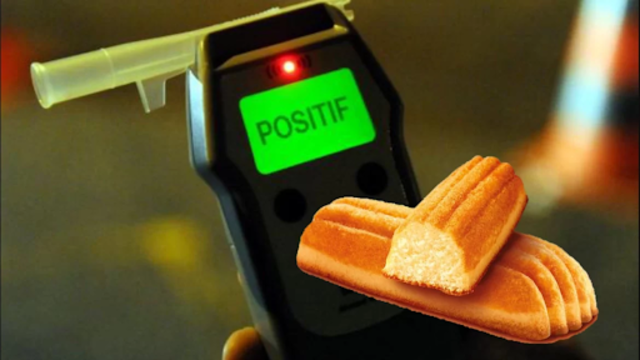
A 23-year-old man from Mont-de-Marsan, Landes, was left stunned after testing positive for alcohol during a routine breathalyzer test at work. The twist? He’s never had a sip of alcohol in his life. The surprising culprit behind this false result—an innocent-looking madeleine.
A Shocking Result at 4 A.M.
Jean (name changed), an employee at a local logistics firm, arrived for his early morning shift on July 23. Like his coworkers, he was required to take a breathalyzer test before beginning work. While waiting, he casually ate a madeleine—a small sponge cake from the popular industrial brand Arenas.
To everyone’s surprise, the breathalyzer turned red. Jean, known for being a teetotaler, was taken aback. A second test confirmed the result. His supervisor, equally puzzled, stood witness to the bizarre scene.
Mouthwash, Water, and a Clear Test
Feeling confused and alarmed, Jean asked to retake the test after some time. He rinsed his mouth with water, brushed his teeth, and waited 15 minutes before testing again. This time, the result came back negative.
Relieved but still skeptical, Jean decided to investigate further.
Police Officers Test the Theory
Jean headed straight to the local police station to explain the situation. Although hesitant, two officers agreed to replicate the incident. They consumed the same type of madeleine and took the breathalyzer test.
Astonishingly, both officers also tested positive—for a short time.
Curious to verify the claim, journalists at Sud Ouest tried it too. Their breathalyzers also indicated a temporary spike. Clearly, the madeleine was influencing the breath test results.
Arenas Responds and Sends Cakes for Lab Testing
The Spanish brand Arenas, which manufactures the cakes in question, said they were just as surprised. They confirmed their madeleines contain no alcohol. Still, the company sent the specific batch for lab testing as a safety measure.
Until the results are known, the exact cause remains unclear. Could a common ingredient be misleading the breathalyzer? Experts suggest it’s very possible.
How Food Can Skew Alcohol Testing
According to forensic specialists, this isn’t a rare occurrence. Some foods can leave trace alcohol or ethanol-based flavorings in the mouth. These residues may trigger a breathalyzer—even when the blood alcohol level is zero.
"A few milliliters of residual ethanol can be enough to give a false reading," explained a Paris-based forensic doctor to Le Figaro. "It’s not in the bloodstream—it’s in the mouth. But the sensor still reacts."
The Importance of Waiting Before a Breath Test
Breathalyzer protocols are clear: individuals should wait at least 15 to 30 minutes after eating or drinking before being tested. This gap helps avoid false positives caused by leftover particles in the mouth.
However, this guideline is often overlooked, especially in workplaces or during routine traffic stops.
A Scary What-If Scenario
What if this had happened on the road instead of at work? Jean could have faced legal consequences. In France, a positive breathalyzer test while driving can lead to license suspension, a €135 fine, six penalty points, and even a court appearance for repeat offenses.
A Case That Raises Critical Questions
Jean’s story is more than just unusual—it’s a wake-up call. It exposes the limits of alcohol breath testing technology and the risks of skipping crucial safety protocols. It also serves as a reminder that even small things—like a madeleine—can have unexpectedly serious consequences when testing equipment isn't used properly.
Until lab results offer a clearer picture, one thing is certain: breathalyzer tests, while important, aren’t infallible. And sometimes, the most innocent snack might just raise the biggest red flag.