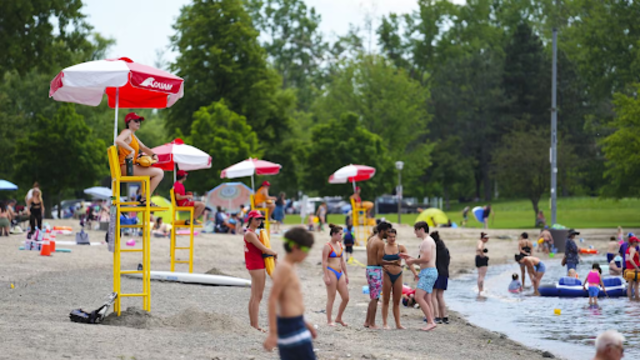
Lifeguards were on duty at Britannia Beach along the Ottawa River in Ottawa on Friday, June 24, 2022, ensuring visitors' safety as people enjoyed the summer weather. (THE CANADIAN PRESS)
Study Uncovers Alarming Trend in Drowning Deaths
A new study reveals that an average of seven people in Canada die each year while trying to rescue someone from drowning. Over a ten-year period, from January 2010 to December 2019, 74 people drowned during attempted water rescues.
Rescue Attempts Can Be Dangerous
“Jumping in to help is important,” said Tessa Clemens, co-author of the study and a researcher at a drowning prevention organization. “But it must be done safely.”
She stressed that trying to save someone without proper training can lead to more tragedy.
Many Rescuers Had No Training
Out of 4,535 drowning deaths reviewed in the study, over half had someone attempt a rescue. Most rescuers were not trained in lifesaving skills. They jumped into the water, trying to grab or carry the person to shore.
This can be deadly. In many cases, the rescuer got pulled under by the panicking person in distress.
Trained Rescuers Know What to Do
Clemens explained that rescue training teaches people how to help without risking their own lives. People with training know how to approach a drowning person without being dragged underwater.
She also warned that natural water bodies, like lakes or rivers, are far more dangerous than swimming pools. Many overestimate their swimming skills in these unpredictable conditions.
Safer Ways to Help Without Risking Your Life
People who are not trained should try what’s called a “non-contact rescue.” That includes:
- Calling for help
- Throwing a floating object like a life-jacket or toy
- Encouraging the person to swim to safety
If you're close to the water, you can lie flat and reach out with a pole or branch—but only if you're sure you won’t be pulled in.
Many Victims Knew the Person They Tried to Save
Most people who drowned during rescue attempts were trying to save someone they knew. Many were parents trying to save their children. That strong emotional pull makes the situation even more dangerous.
Clemens said this is why prevention is key.
Stay Close, Stay Alert
She urges parents to keep constant watch over their children in and around water. Always stay within arm’s reach. Backyard pools should have fences and self-latching gates to stop kids from entering unsupervised.
Swimming at beaches or pools with lifeguards is the safest option.
Wear Life-Jackets, Learn to Swim
Clemens advised everyone—adults and kids—to wear life-jackets while boating. She also encouraged people to learn how to swim and take basic lifesaving courses. Training is widely available and could save lives.
As the long weekend approaches, officials hope the study raises awareness and prevents future tragedies.