Breakthrough Drug Shows Major Promise in Treating Resistant Hypertension.
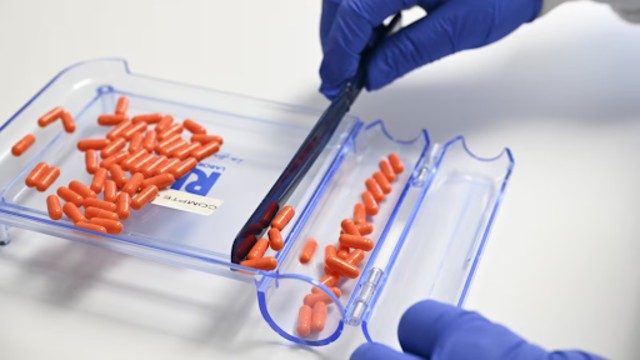
A new experimental drug could soon change the way doctors treat resistant high blood pressure. Baxdrostat, developed by AstraZeneca, has shown promising results in a major clinical trial.
A Potential Breakthrough
The trial results were presented at the European Society of Cardiology Congress 2025 in Madrid and published in the New England Journal of Medicine. If approved, baxdrostat would mark one of the first new approaches to blood pressure treatment in decades.
High blood pressure, or hypertension, affects nearly half of adults in the United States. About one in ten live with resistant hypertension, meaning their blood pressure remains high despite taking three or more medications. This condition greatly increases the risk of heart attack, stroke, kidney damage, and dementia.
How the Study Worked
Researchers enrolled 800 adults with uncontrolled blood pressure. All participants were already taking at least two medications for four weeks before the study began. Their systolic blood pressure — the top number in readings — ranged between 140 and 170 mm Hg.
Participants were divided into three groups. One received 1 milligram of baxdrostat daily, another 2 milligrams, and the third received a placebo. All continued their regular blood pressure medications.
After 12 weeks, results were striking. About four in ten patients who took baxdrostat reached healthy blood pressure levels. In comparison, fewer than two in ten on placebo achieved the same result.
On average, patients taking baxdrostat saw their systolic readings drop 9 to 10 mm Hg more than those on placebo. Experts say this reduction is significant enough to lower cardiovascular risk.
Why Baxdrostat Is Different
Most current medications lower blood pressure by relaxing blood vessels, removing excess fluid, or blocking certain hormones. Baxdrostat, however, takes a new route.
It blocks aldosterone, a hormone produced by the adrenal glands. Aldosterone helps regulate salt and water balance in the body. When produced in excess, it causes the body to retain too much salt and water, raising blood pressure.
“Too much aldosterone not only raises pressure but can also damage the heart, kidneys, and vessels,” explained Dr. Jenifer Brown, one of the study’s lead investigators. She said baxdrostat could be especially valuable for patients who cannot tolerate existing medicines or for those in whom standard treatments fail.
Mild Side Effects Reported
The study found baxdrostat was generally well tolerated. The most common side effect was abnormal potassium and sodium levels, but this occurred rarely. Compared with many existing drugs that can cause dizziness, fatigue, or swelling, the new drug appeared manageable for most patients.
Expert Reaction
Cardiology experts not involved in the research welcomed the findings. Dr. Stacey Rosen of the American Heart Association said baxdrostat could become “a strong partner” alongside current blood pressure drugs.
In an editorial, cardiovascular scientists Tomasz Guzik and Maciej Tomaszewski described the results as encouraging. They urged further studies to identify which patients would benefit most and to gather long-term safety data.
What’s Next
AstraZeneca confirmed it plans to submit data to regulatory agencies before the end of 2025. If approved, baxdrostat could become a vital tool in the fight against hypertension, the leading cause of death worldwide.