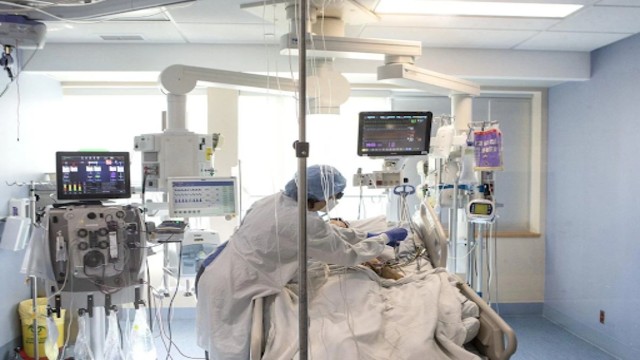
Ontario Nurses Awarded Raise, Say Safety Still at Risk. Image:The Canadian Press
Ontario’s hospital nurses have secured a long-awaited pay raise, but the bigger battle remains unresolved—safe staffing ratios.
An arbitrator has awarded about 60,000 hospital nurses a 5.25% wage increase spread over two years. While the Ontario Nurses’ Association (ONA) welcomed the financial recognition, its leaders immediately voiced disappointment. The reason: the award excludes mandatory nurse-to-patient staffing ratios, the issue nurses have been fighting hardest for.
A Raise Without Relief
ONA provincial president Erin Ariss called the absence of ratios a “major setback.” She argued it suggests nurses are not entitled to the same workplace protections that shield other frontline professionals working in dangerous conditions.
“This is not just about money,” Ariss stressed. “It’s about safe patient care and safe conditions for nurses.”
Why Ratios Are Crucial
For years, nurses have insisted that mandated staffing levels are the backbone of safe care. Without them, nurses say the workload becomes crushing—patients wait longer, errors increase, and stress builds.
Burnout is spreading. Many experienced nurses are leaving the profession, while others are cutting back hours to protect their health. The result, according to ONA, is a dangerous cycle: fewer nurses on the floor means heavier demands on those who remain, which in turn drives more resignations.
“Without ratios, patients wait longer and nurses are pushed past their limits,” Ariss warned.
Hospitals Push Back
Hospital leaders strongly resisted the union’s proposal. They argued that fixed ratios would limit their flexibility to respond to unpredictable patient needs.
Executives also highlighted that patient care is a team effort, involving not just registered nurses but also registered practical nurses and other healthcare staff. Strict ratios, they said, ignore this reality and could lead to unnecessary staffing costs without improving outcomes.
Arbitrator’s Decision
In his ruling, the arbitrator sided with the hospitals on flexibility. He emphasized that formal mechanisms already exist for nurses to raise concerns about unsafe workloads. But many nurses argue these processes are often bureaucratic, slow, and ineffective. They feel their warnings about unsafe conditions rarely lead to meaningful change.
Union Plans Next Move
The ONA has promised a careful review of the ruling and is weighing its options. Possible next steps include legal challenges, lobbying campaigns, and renewed public pressure to force political leaders and hospital administrators to take staffing shortages more seriously.
Ariss made it clear: “The fight for safe staffing ratios is far from over.”
A Deeper Healthcare Strain
The ruling also highlights a broader truth—Ontario’s healthcare system is under enormous pressure. While the 5.25% raise may help retain some nurses, it does little to solve the root problem.
Across hospitals, nurses report working double shifts, missing breaks, and dealing with overwhelming caseloads. Pay hikes may ease financial strain, but they cannot restore a system that continues to stretch staff beyond their limits.
Healthcare advocates warn that without urgent reforms, patient safety will remain at risk and hospitals will face even greater staffing crises.
What Comes Next for Ontario Nurses
The raise may be a symbolic win, but for Ontario nurses, it feels like a hollow victory. Without binding staffing ratios, many fear patients will continue to face longer waits and nurses will remain at breaking point.
As the ONA plots its next move, one thing is certain: Ontario’s nursing crisis is not going away. The debate over how to balance costs, flexibility, and safety will continue to shape the province’s healthcare system in the years ahead.