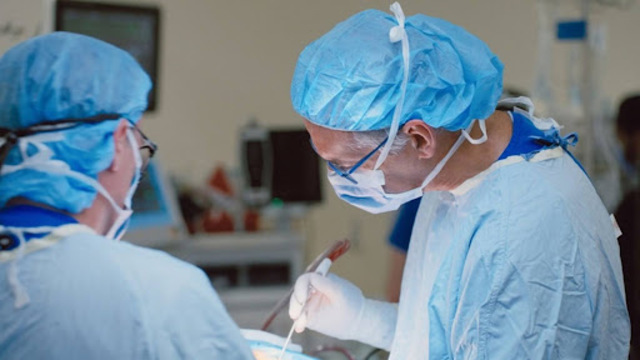
Dr. Andres Lozano, right, a neurosurgeon with University Health Network, appears with his surgical team at Toronto Western Hospital in this handout photo from Wednesday, Aug. 27, 2025. THE CANADIAN PRESS
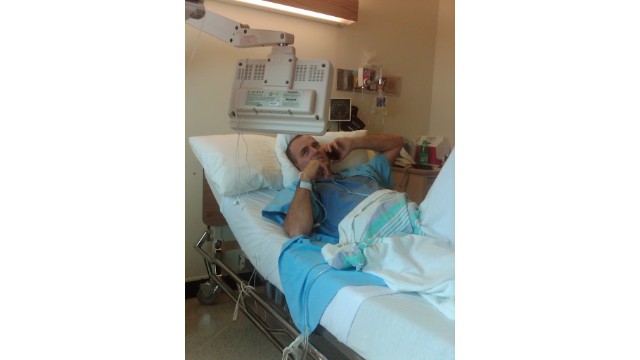
Two Canadian men with spinal cord injuries have received Neuralink brain implants, marking the first trial of the technology outside the United States. Both patients, around 30 years old—one from Ontario and the other from Alberta—took part in surgeries at Toronto Western Hospital in late August and early September.
How the Device Works
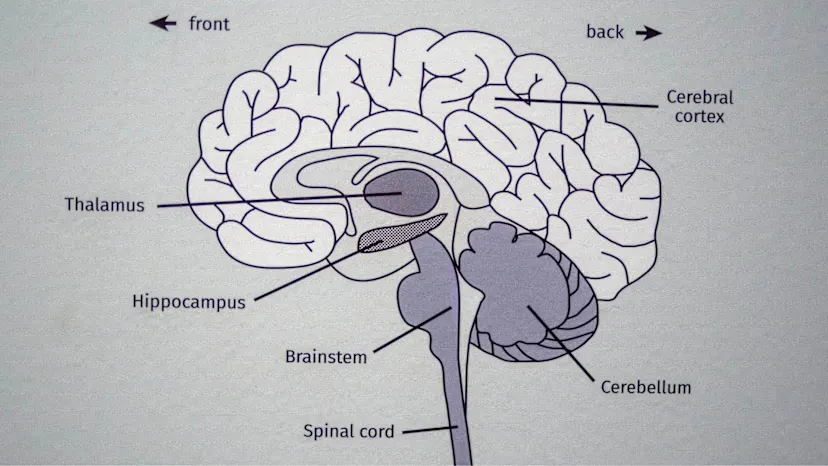
Neurosurgeon Dr. Andres Lozano, who led the operations, explained that electrodes were placed in the motor area of the brain. These electrodes capture signals from neurons, which are then processed by artificial intelligence and turned into actions on a computer screen.
“The first patient was able to control a cursor by just thinking within minutes,” Lozano said. “They just think about it and it happens.”
Life After Surgery
Both men could move a computer cursor almost immediately after surgery and left the hospital the following morning. Already, they can play video games without using their hands. In the weeks ahead, they will learn to type without touching a keyboard.
Broader Research and Caution
Neuralink, launched by Elon Musk in 2020, implanted its first device in an American patient in 2024. Several other companies are also exploring brain-computer interfaces, including Synchron, based in New York.
Barry Munro of the Canadian Spinal Research Organization, who has lived with quadriplegia for nearly four decades, urged people to remain realistic. “We ain’t there yet, that’s all,” he said. Munro stressed the importance of “educated hope” instead of expecting the device to be widely available soon.
Monitoring and Next Steps
The Canadian patients will be closely monitored for at least one year. Doctors will track side effects such as infections, seizures, or strokes. The trial may expand to include up to four more Canadians with spinal cord injuries or ALS.
Lozano said the trial’s goal is to measure safety and quality-of-life improvements. He noted the potential goes far beyond controlling a cursor. “In the future you could drive a car, you could drive your wheelchair, you could drive a robot,” he said.