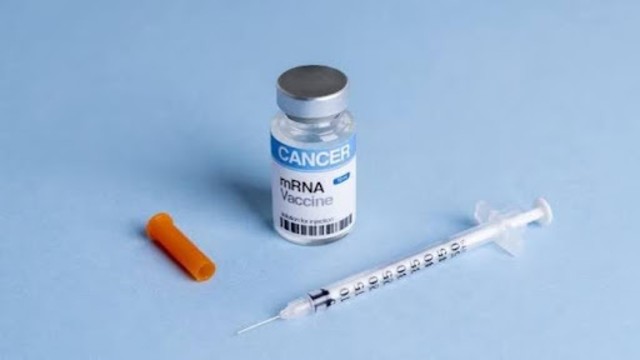
mRNA vaccines train the body’s cells to create proteins that activate the immune system to target and destroy cancer cells.
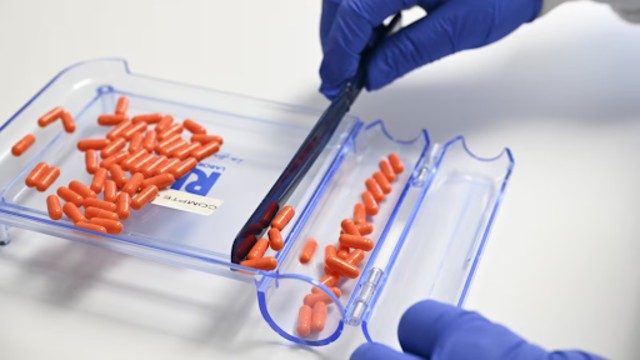
Russia has announced a major leap in cancer research with the launch of its new vaccine, EnteroMix. The breakthrough shot is said to be safe, effective, and ready for clinical use, according to the Federal Medical and Biological Agency (FMBA).
The announcement was made by FMBA chief Veronika Skvortsova during the Eastern Economic Forum, sparking global attention in the medical community.
A Turning Point in Cancer Care?
EnteroMix has shown striking results in early trials. Scientists claim it achieved 100% effectiveness in shrinking tumours and slowing their growth. Unlike chemotherapy or radiation, it works without the harsh side effects that weaken patients.
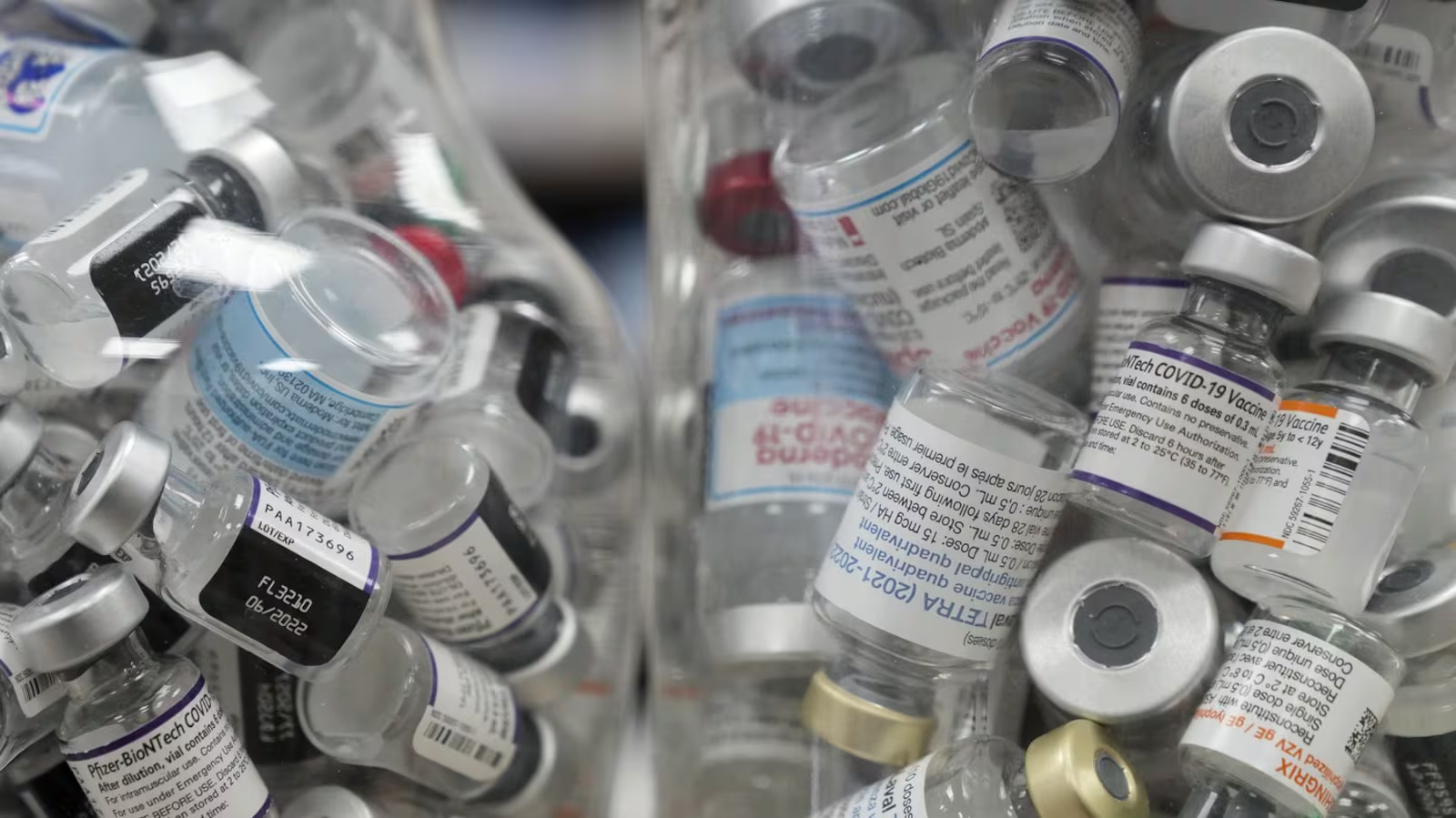
Built on the same mRNA technology that powered Covid-19 vaccines, EnteroMix is designed to train the body’s immune system to fight cancer. But there’s a unique twist—it can be tailored to match each patient’s individual RNA. This makes the therapy highly personalized.
First Target: Colorectal Cancer
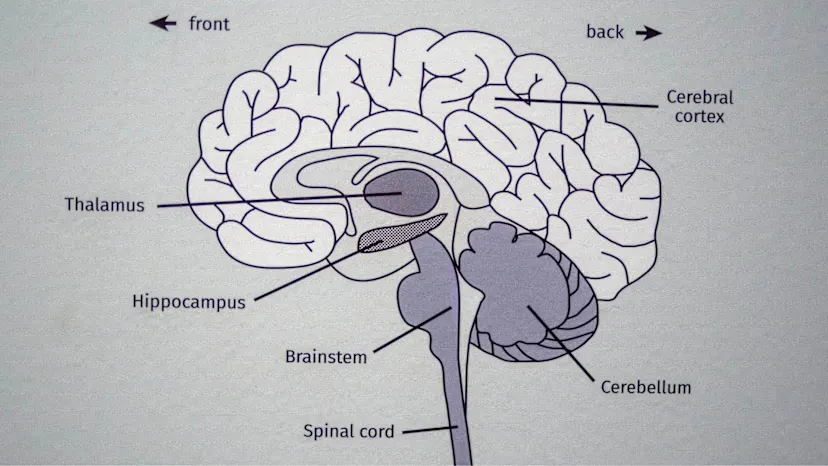
The first version of EnteroMix focuses on colorectal cancer. Researchers are also working on versions for glioblastoma, one of the most aggressive brain tumours, and melanoma, a dangerous form of skin cancer.
Skvortsova confirmed that preclinical testing showed both safety and strong effectiveness. The vaccine is suitable for repeated use, opening doors to long-term cancer management.
How Does EnteroMix Work?
The vaccine uses a mix of four harmless viruses that seek out and attack cancer cells. At the same time, they stimulate the immune system to mount a stronger defence.
In animal and lab studies, this approach slowed tumour growth significantly. In some cases, tumours disappeared altogether.
Clinical trials began in June 2025 with 48 volunteers. Results so far have been described as “highly promising,” giving scientists hope for wider approval soon.
Who Developed EnteroMix?
EnteroMix is the result of a collaboration between the National Medical Research Radiology Centre under Russia’s Ministry of Health and the Engelhardt Institute of Molecular Biology, part of the Russian Academy of Sciences.
Its debut was showcased at the St. Petersburg International Economic Forum earlier this year, where Russia presented its latest advances in medicine and biotechnology.
Why mRNA Matters
mRNA vaccines work differently from traditional vaccines. Instead of using weakened germs, they provide genetic instructions that tell cells to produce harmless proteins. The immune system then learns to recognise and destroy real threats.
During the Covid-19 pandemic, mRNA vaccines proved their worth by saving millions of lives. The same technology is now being adapted for cancer, flu, and other serious illnesses. Importantly, mRNA does not alter DNA and breaks down naturally in the body.
What Comes Next?
With Phase-1 trials complete, the next hurdle is regulatory approval. If cleared, EnteroMix could become the world’s first widely available personalised cancer vaccine.
Experts believe this could transform cancer treatment worldwide by offering therapies that are safer, more effective, and uniquely tailored to each patient.
For millions of people battling cancer, this development could signal the beginning of a new era—one where treatment is not only about survival but also about living better and longer lives.