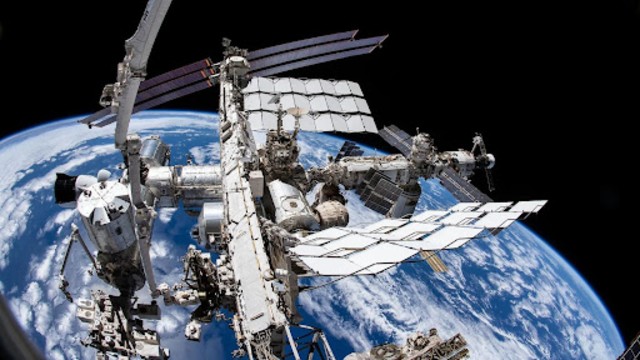
Research on how spaceflight affects stem cells was conducted across four SpaceX-operated resupply missions to the International Space Station, spanning from late 2021 to early 2023. Image: NASA
Spaceflight isn’t just a thrill—it takes a toll on the body at the cellular level. New research shows that time in space accelerates aging in blood-forming stem cells, which are vital for maintaining healthy blood and immune systems.
NASA-funded scientists tracked stem cells on four SpaceX missions to the International Space Station. These missions lasted between 30 and 45 days, from December 2021 to March 2023. By comparing cells sent into space with samples kept on Earth, the team uncovered clear signs of accelerated aging.
The space-flown cells lost some ability to form new, healthy blood cells. They became more vulnerable to DNA damage, and their telomeres—the protective caps at chromosome ends—shortened faster than normal. Researchers believe this is due to microgravity and the heightened radiation found in space.
Stem cells act as the body’s repair system, replenishing blood cells and supporting immune defenses. The cells studied, called human hematopoietic stem and progenitor cells, generate red blood cells, white blood cells, and platelets. When these cells falter, the body struggles to heal, fight infections, and detect cancer, potentially shortening lifespan.
The study revealed that during spaceflight, stem cells became overactive, using up their reserves and exhausting their ability to regenerate. Signs of stress appeared in their mitochondria—the cell’s energy factories—and previously silent parts of their DNA, sometimes called the “dark genome,” began activating.
Interestingly, not all donors’ stem cells responded the same way. “Stem cell regenerative capacity was diminished, but with some variability between bone marrow donors,” said Dr. Catriona Jamieson, senior author and director of the Sanford Stem Cell Institute at UC San Diego. Some individuals may have anti-aging resilience factors that protect their stem cells better than others, a finding supported by a follow-up study still awaiting publication.
These discoveries shed light on why space is so challenging for the human body. Humans evolved under Earth’s gravity, atmosphere, and low radiation. In space, astronauts face high-energy cosmic radiation and microgravity, which can lead to DNA damage, increased cancer risk, neurodegenerative changes, cardiovascular strain, and immune system dysfunction. Bone density loss and muscle atrophy add to the long list of concerns.
Understanding how blood-forming stem cells respond to space may help protect astronauts on long missions, such as journeys to Mars. It could also inform research on human aging and diseases like cancer here on Earth.
“We’ve identified key components of human stem cell resilience that might be enhanced before, during, and after spaceflight,” Jamieson said. Her team continues to monitor these changes on the latest SpaceX resupply mission, hoping to find ways to bolster cellular health in astronauts.
As humanity pushes deeper into space, these findings underscore the importance of preparing our bodies for the journey—not just with training and equipment, but at the microscopic, cellular level. Space may be exciting, but it’s also a harsh environment that challenges life in ways we’re only beginning to understand.