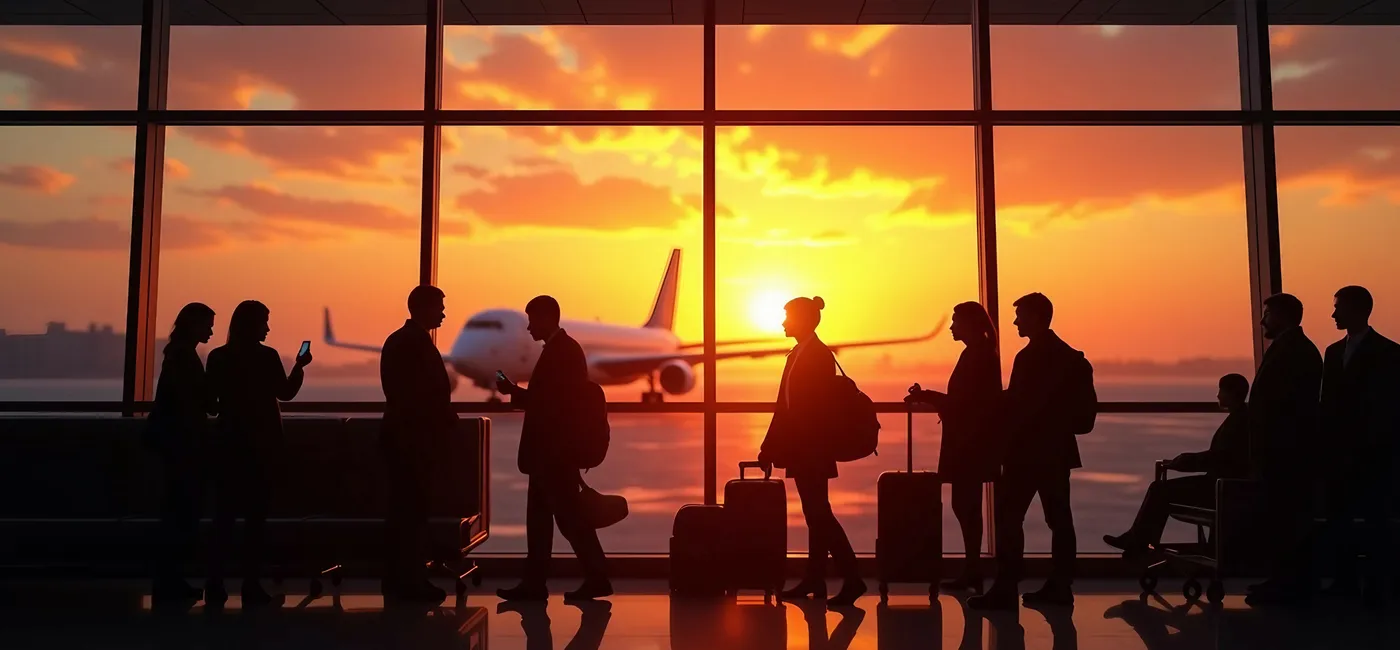
A major airport in Canada bustling with travellers. Freepik
Canada is joining forces with major airports in the Netherlands, UAE, France, Singapore, Germany, Japan, and others as Toronto Pearson International Airport prepares to climb the global travel rankings. The airport is rapidly becoming a major hub for both business and leisure travellers, thanks to its strong network of direct flights, premium facilities, and convenient location near downtown Toronto.
As international travel rebounds, airports worldwide are competing to offer better experiences for business passengers. The global business travel market is projected to reach nearly US$830 billion by 2027, creating intense demand for seamless, high-quality services. Toronto Pearson, already Canada’s busiest airport, is now positioning itself among the world’s elite travel hubs.
Toronto Pearson’s Growing Global Reputation
Toronto Pearson’s expansion and commitment to innovation are helping it stand out. Its easy access to Toronto’s financial district, growing route network, and focus on comfort have made it one of North America’s top-performing airports.
Research shows Toronto Pearson is rising fast in global travel rankings for its connectivity and passenger experience. With upgraded lounges, new technology, and faster security services, the airport is setting a new standard for both convenience and quality.
“Toronto Pearson has always been Canada’s gateway to the world,” said a spokesperson for the airport. “Our goal is to make travel smoother, faster, and more enjoyable for everyone who passes through.”
Airports Around the World Raise the Bar
Canada’s largest airport isn’t alone in this movement. Other global leaders are also improving their services to meet growing passenger expectations.
- Amsterdam Schiphol Airport (Netherlands): Known for its quick train access to downtown Amsterdam and smooth operations, it connects to nearly 100 countries with top business amenities.
- Dubai International Airport (UAE): A top choice for luxury and efficiency, with 88 per cent of routes offering business-class service.
- Charles de Gaulle Airport (France): Europe’s second-busiest airport, linking more than 300 destinations worldwide.
- Singapore Changi Airport: Famous for its world-class comfort, lush indoor gardens, and impressive Business Travel score of 9.01.
- Frankfurt Airport (Germany): Europe’s busiest air hub, known for its unmatched number of direct routes and excellent passenger facilities.
- Tokyo Haneda Airport (Japan): Serves over 85 million passengers yearly, with dozens of lounges and top-tier hotels nearby.
Together with Toronto Pearson, these airports are shaping the future of global travel, offering faster connections, better amenities, and more sustainable practices.
What’s Next for Toronto Pearson in 2026
Toronto Pearson plans several upgrades leading into 2026. These include expanding direct international routes, improving business-class lounges, and introducing faster check-in and boarding systems. The airport is also investing in eco-friendly technology to reduce its environmental footprint.
Travel experts predict that Toronto Pearson will soon rank among the world’s top airports for business travel. Its location, efficiency, and growing list of services make it a preferred choice for international travellers.
The Future of Air Travel
As airports worldwide compete for top rankings, Toronto Pearson stands out for its balance of innovation and accessibility. With its modern upgrades, world-class service, and commitment to sustainability, it is poised to redefine how people experience air travel.
By 2026, Canada’s largest airport will not only connect cities — it will connect business, culture, and opportunity, solidifying its place among the world’s finest.