Koh Samui in southern Thailand. Travel Pulse Canada
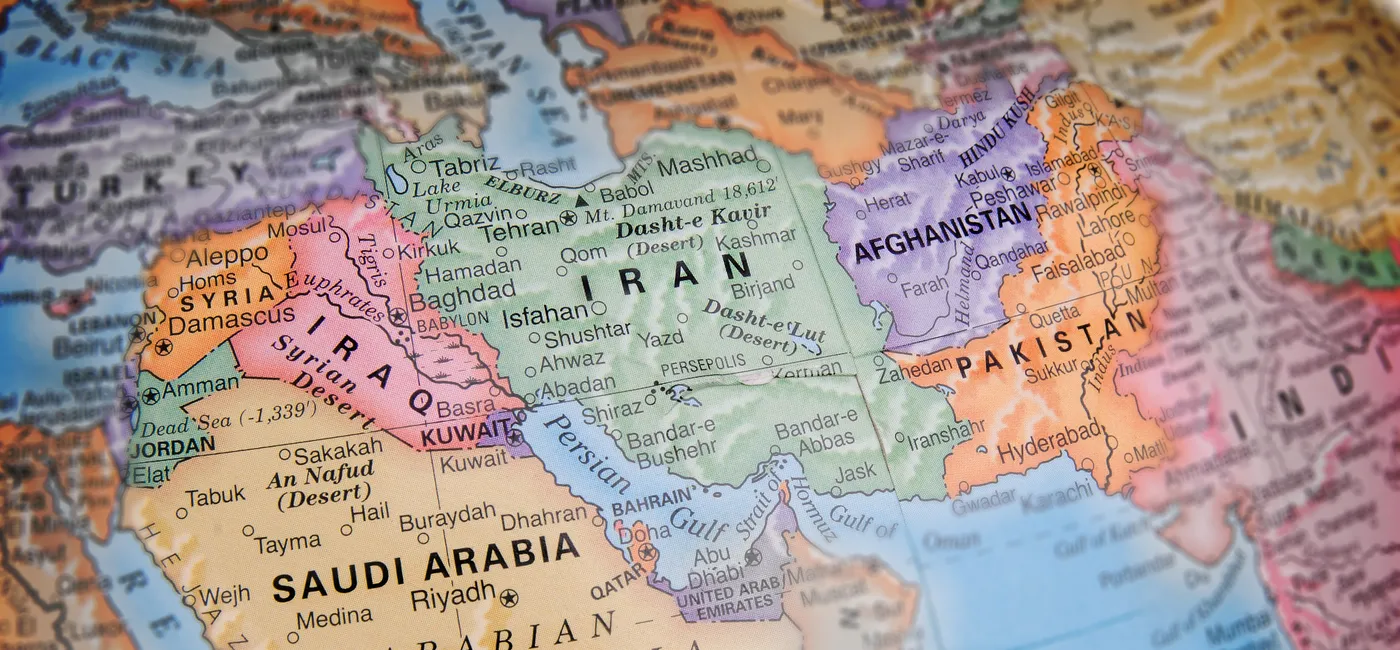
Canada urges travellers heading to Thailand to stay alert and careful as major flooding continues across parts of the country. Officials updated the advisory on November 24 after heavy rain caused severe damage in several southern provinces. Authorities named Songkhla, Pattani, Yala and Narathiwat as the hardest-hit areas. Travellers are asked to avoid these regions until conditions improve.
Flooded Provinces Face Serious Damage
Large sections of southern Thailand now face disaster-level conditions. Officials in Songkhla reported record-breaking rainfall that forced them to move residents from flooded neighbourhoods. Hat Yai, a major city in the region, also suffered heavy damage as streets filled with fast-moving water.
Reports described the flooding as extreme. One international outlet called the rainfall “a once in 300 year” event, showing the scale of the problem. Roads, homes and businesses face major impact, and cleanup efforts may take a long time to complete.
Tourism Feels the Impact
Tourism officials in Thailand say the floods disrupted travel and damaged many services. Several tourist attractions in the south closed for safety reasons. Travellers experienced delays on roads, rail lines and at airports. Transport workers struggled to clear routes while rain continued in many areas.
The Tourism Authority noted that rough seas also created concerns along the coast. Strong waves and sudden water surges may affect ferries and island travel. With more rain expected this week, officials worry conditions may worsen.
Canada Outlines Key Risks
Canada’s updated advisory explains the challenges travellers may face. "Recent monsoon rains have resulted in transportation disruptions and damage to infrastructure," the update says. Officials warn that several main routes remain underwater. Rising water cut off access to major highways, including roads leading to Hat Yai airport.
Travellers in affected regions may need to change their plans with little notice. Many roads close without warning as water levels rise quickly.
Important Steps for Travellers
Canadian officials urge travellers to follow local instructions closely. They recommend that people in flooded areas check weather reports often and listen to safety updates. Those with flights should confirm departure times before heading to the airport, as delays or cancellations remain likely.
Evacuation orders may be issued in some communities. Officials say people should leave immediately if told to do so. Anyone travelling in Thailand should stay aware, avoid at-risk areas and keep communication lines open.
Canada also suggests registering with the Registration of Canadians Abroad program. This free service sends alerts directly to travellers during emergencies.
Threat Not Over Yet
Weather forecasts show more storms may move into the region. Emergency teams work to support residents in flooded zones while watching for landslides and fast-moving flash floods. Officials stress that conditions may change quickly, and travellers should stay patient until the waters begin to recede.
This situation remains serious. Canadian travellers who still plan to visit Thailand should prepare carefully and avoid affected provinces. Those already there should follow updates and remain ready to adjust their plans.