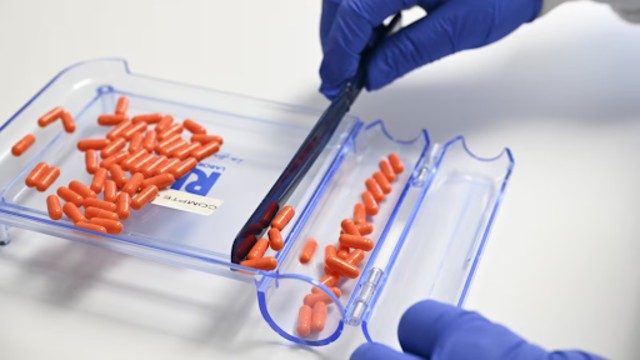
Attention deficit/hyperactivity disorder treatment Adderall XR capsules are displayed on Feb. 24, 2023. (AP Photo)
Ontario is witnessing a striking surge in people starting medications for attention deficit/hyperactivity disorder. New research shows stimulant prescriptions have climbed dramatically in recent years, raising questions about awareness, diagnosis, and access to mental health care.
A new study in JAMA Network Open analyzed every stimulant prescription dispensed in Ontario from 2015 to 2023. The findings reveal a 157 per cent jump in annual new prescriptions over eight years. The increase was steady until 2020, then accelerated rapidly during the first year of the pandemic.
Researchers say several factors likely contributed. Lockdowns brought a heavy shift to online life. Screen time spiked. Public understanding of ADHD broadened. Many adults also began recognizing long-standing symptoms that had gone undiagnosed.
Pandemic Years Mark a Turning Point
Between 2015 and 2019, new prescriptions grew by about seven per cent each year. That changed dramatically in 2020 when the growth rate soared to 28 per cent annually. Experts say the pandemic disrupted routines, intensified attention challenges, and pushed more people to seek evaluations.
Yet the researchers also urge caution. They note the lack of detailed data to confirm whether all prescriptions were appropriate. Some people may have been misdiagnosed with ADHD when their symptoms stemmed from another condition. Others with mild symptoms may have been overdiagnosed.
Dr. Daniel Myran, the study’s lead author, says this raises concerns about unnecessary exposure to side effects, especially when the real issue might be something else. He warns that an incorrect diagnosis can delay proper treatment.
Adult Women Show the Fastest Growth
The most dramatic rise occurred among adult women. Prescriptions surged 421 per cent among women aged 25 to 44 and 369 per cent among those aged 18 to 24. By 2023, more women in the 25-to-44 group had used stimulants than men in the same age range.
Researchers say this shift reflects evolving diagnostic understanding. ADHD criteria historically emphasized hyperactivity, which is more common in males. Many women instead experience inattentive symptoms—difficulty focusing, disorganization, and challenges with planning. These were long overlooked.
Experts believe the new numbers represent both overdue recognition and a possible risk of overdiagnosis.
Children Also See Rising Medication Use
Children also showed significant increases, though not as dramatic as adults. Girls aged 10 to 14 recorded a 191 per cent rise in new stimulant prescriptions, compared with 67.5 per cent in boys of the same age. Researchers say this pattern again suggests improved identification of inattentive symptoms in girls.
The pandemic also changed how assessments were delivered. Numerous private virtual clinics began offering ADHD evaluations. Dr. Myran says online assessments improved access but also may have led to more inaccurate or rushed diagnoses. He began noticing patients in his own practice with questionable assessments, which pushed him to investigate the trend.
Balancing Benefits and Risks
ADHD medications can be transformative for people struggling with concentration and daily functioning. But they also carry risks. Side effects can include decreased appetite, anxiety, and sleep issues. Long-term use may raise blood pressure and increase cardiovascular risk.
Dr. Myran emphasizes that medication offers clear benefits for people whose symptoms disrupt school or work. The challenge, he says, is ensuring prescriptions go to those who truly need them.
As use expands, he warns that some groups may now be receiving treatment where the balance of risks and benefits is less certain.
A Call for Better Support Systems
Experts outside the study say the rise also reflects long-overdiagnosed populations finally receiving attention. Dr. Heather Palis, a BC scientist who conducted similar research, found the fastest growth among women in her province as well.
She says the numbers highlight a need for stronger mental health support. People diagnosed during the pandemic will require proper monitoring, follow-up care, and access to clinicians who can guide treatment safely.
Researchers agree that this surge should be seen as a starting point. Ontario now faces an important challenge: ensuring that growing demand for ADHD care is met with accurate diagnoses, thoughtful prescribing, and reliable long-term support.