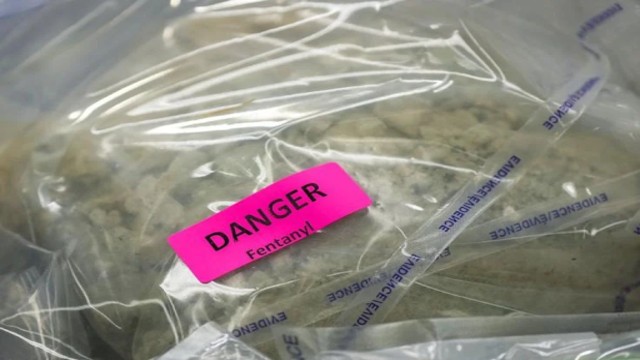
An image of seized Fentanyl as Canada tightens controls on drug-making chemicals. The Canadian Press
Canada has introduced stricter rules to curb the misuse of chemicals and equipment used to produce illegal synthetic drugs, including fentanyl and methamphetamine. Health Canada says the regulatory changes are aimed at disrupting domestic drug production and limiting the flow of dangerous substances into illegal markets.
The amendments fall under the Controlled Drugs and Substances Act and focus on precursor chemicals and manufacturing tools commonly exploited by organized crime.
New reporting and prevention requirements
Under the updated regulations, licensed companies that sell precursor chemicals must now report suspicious transactions. They are also required to take “reasonable measures” to prevent these substances from being diverted for illegal use.
Health Canada says these steps are designed to strengthen oversight across the supply chain. The goal is to identify potential misuse earlier and stop chemicals from reaching clandestine drug labs.
The rules apply even though many of the listed chemicals have legitimate uses in industries such as pharmaceuticals, fragrances, and food flavouring.
Tighter controls on ephedrine products
The changes also expand restrictions on certain health products containing ephedrine and pseudoephedrine. These substances are widely known precursors for methamphetamine production.
Health Canada said conditions for selling products that contain these ingredients have been tightened to reduce the risk of diversion into the illegal drug trade.
While ephedrine and pseudoephedrine are legally used in over-the-counter decongestants and natural health products, authorities say there is evidence they have also been marketed for weight loss, energy boosts, and athletic performance.
That misuse, officials warn, increases the likelihood that such products are diverted for illegal drug manufacturing.
Reduced access to drug-making equipment
In addition to chemical controls, Health Canada is moving to restrict access to drug manufacturing tools. The agency is decreasing the availability of equipment such as pill presses, which are commonly used to produce illicit tablets.
Import registration will now be required for certain component parts used in this equipment. Officials say this will help border enforcement agencies identify and intercept illegal shipments more effectively.
The changes are intended to close loopholes that allowed criminal groups to acquire equipment with minimal scrutiny.
Responding to overdose deaths
Health Canada linked the regulatory update to Canada’s ongoing overdose crisis. A regulatory summary noted that most overdose deaths involve illegally produced fentanyl.
Police have also reported a rise in domestic drug production, alongside increased illegal imports and diversion of both chemicals and equipment.
Officials say these trends highlight the need for stronger controls beyond traditional law enforcement.
Targeting organized crime networks
According to Health Canada, the new measures are designed to disrupt organized crime groups involved in synthetic drug production.
By tightening controls on both ingredients and tools, authorities aim to reduce the presence of fentanyl and meth in Canada. They also hope to prevent these drugs from being illegally exported to other countries.
“The amendments will help disrupt illegal domestic drug production by organized crime groups,” the regulatory summary said. It added that the changes reduce risks to Canadians and strengthen international drug control efforts.
A broader enforcement approach
Health Canada emphasized that the updated regulations give border and enforcement officials better tools to act before drugs reach the streets.
Rather than focusing only on finished drugs, the approach targets earlier stages of production. Officials believe this preventative strategy is critical to weakening criminal supply chains.
The changes come as governments across Canada continue to search for ways to address the fentanyl crisis through enforcement, regulation, and public health measures.
Health Canada says the new rules are a key step in limiting the availability of the chemicals and equipment that make synthetic drugs possible.