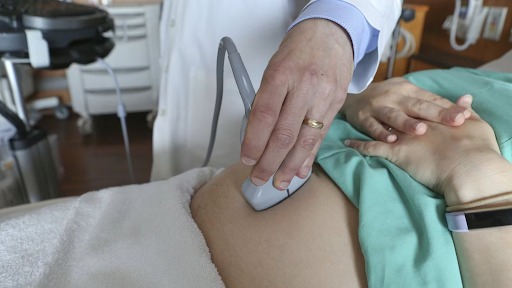
A physician carries out an ultrasound exam for an expectant mother at a Chicago hospital on Aug. 7, 2018. The image comes from file records. CTV
Canada now sees a steady rise in birth tourism after a steep drop during the COVID-19 pandemic, according to new national data released this week. The figures show more babies born in Canadian hospitals to parents who do not hold citizenship or permanent residency. Travel limits and health fears once slowed this trend, but recent years brought numbers back to levels seen before the pandemic.
The data tracks hospital deliveries paid for by non-residents. These parents include visitors, international students, and temporary workers who cover medical costs themselves. While the numbers have increased, they still make up a small share of total births across the country.
What the Numbers Show
During the height of the pandemic, births to non-residents fell sharply. In 2019, hospitals recorded nearly 5,700 such births. That number dropped to about 2,400 in 2020 and around 2,200 in 2021. Travel limits and border closures played a major role.
By 2024, the situation changed. The count of non-resident self-pay births climbed to more than 5,400, which matches pre-pandemic levels. These births now make up about 1.5 per cent of all births, up from a low of 0.7 per cent during the pandemic years. Since 2010, this share has stayed below two per cent.
Ontario continues to record the highest number of non-resident births. Each year, its figures roughly double those of Quebec, which ranks second. British Columbia and Alberta follow in third and fourth place.
Citizenship Debate Continues
Birth tourism often sparks debate because Canada grants citizenship to nearly all children born on its soil. A recent attempt in Parliament sought to change that rule. The proposal aimed to limit citizenship to babies with at least one parent who holds citizenship or permanent residency. Lawmakers rejected the change, and the current system remains in place.
Recent updates to citizenship law expanded access for families with Canadian ties abroad. Children born outside Canada to Canadian parents can claim citizenship, as can later generations, if each generation meets a three-year residency rule.
Expert Views and Public Trust
The author of the report, Andrew Griffith, said the rise in non-resident births does not raise alarm. He noted that numbers simply returned to normal after an unusual period. He also pointed to a larger issue. His “major concern” involves declining public “trust in government, as well as in immigrants,” which he said has grown “much weaker over the past few years.”
Recent reports also show higher levels of hate crimes against visible minorities and ongoing concerns about the treatment of migrant workers. Griffith believes clear data can help guide calm and open public discussion.
Understanding the Details
The report also notes limits in the data. About half of international students receive coverage from provincial health plans, which means some births may not appear under self-pay figures. Even with these details, the data shows that birth tourism remains a small but steady part of Canada’s overall birth picture.